
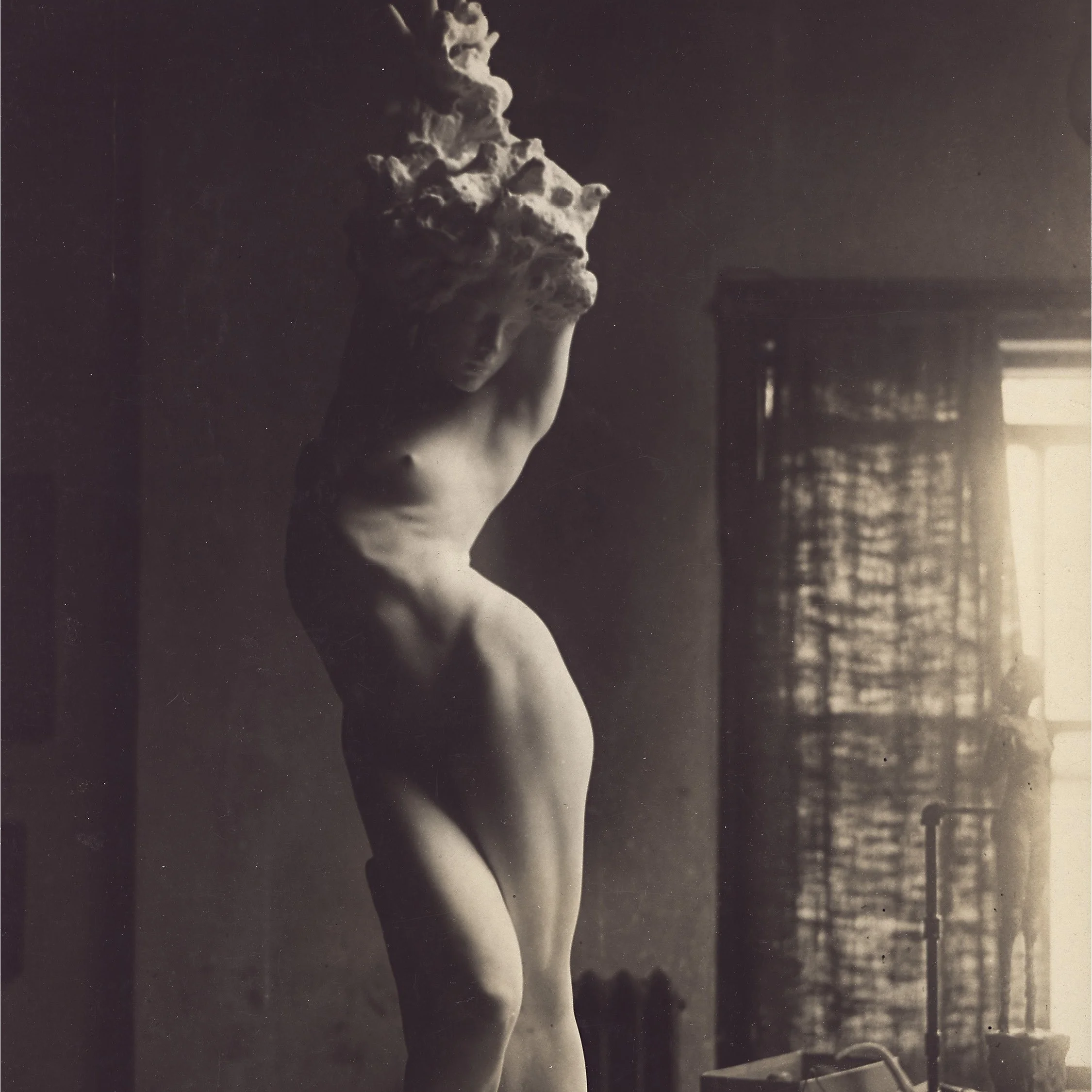
Sculpture Writing with Dr Kalyani Madhura Ramachandran
Dr Ramachandran will host a workshop on writing about sculpture. The session considers sculpture as a thing made rather than divined. It explores different approaches to the description of sculptural characteristics, processes, and materiality, and investigates the dialogue between maker and material.
Participants will examine how sculpture has been described in art historical texts by Giorgio Vasari, Stella Kramrisch, and John Berger, followed by reflections on sculpture by sculptors including Auguste Rodin and Barbara Hepworth. The workshop will conclude with a written description of the sculpted works of Constantin Brâncuși, Ramkinker Baij, Elizabeth Catlett, and others.
Open to students, artists, and enthusiasts of all backgrounds.
LKR 1,000 per participant (scholarships available) to register
Email events@geoffreybawa.org to register
Craft as a Pixel with the GBT Youth Collective
Have you ever noticed how a building reveals something different as you move closer to it? From a distance, we take in its bold forms and overall composition. Up close, we begin to notice the textures, materials and intricate details that give it character. But how often do we recognise how these smaller details contribute to the bigger picture?
Architecture is often understood through the arrangement of forms, solids and voids. Yet, the smallest elements can hold a significance far beyond their individual appearance, extending the architectural vision through deliberate choices of material, texture and craft.
Join the GBT Youth Collective for Craft as a Pixel, a hands-on workshop inspired by Geoffrey Bawa’s approach to architecture. Through visual exploration and a closer look at selected architectural examples, we will uncover the patterns, relationships and thoughtful decisions that shape a composition across different scales.
Moving beyond observation, participants will have the opportunity to explore these ideas through craft, creating individual pieces. These pieces will eventually come together as a collective installation, bringing individual interpretations into a shared expression.
We invite you to look closer, discover the details, and become part of the bigger picture.

English Akurugraphy Exhibition Tour with co-curator Pathum Egodawatta
Join a tour of our current Akurugraphy exhibition at the Bawa Space:
Akurugraphy is an exhibition on letterforms. Examining the history, development, and application of Sinhala, Tamil, and Latin typography in Sri Lanka, the exhibition challenges the idea that global digital infrastructure is ever truly neutral.
Led by Mooniak co-founder and exhibition co-curator Pathum Egodawatta, the tours offer a behind-the-scenes look into the world of typography.
‘Akurugraphy’ is supported by generous grants from Kohler India, the Initiating Partner for the Geoffrey Bawa Trust’s exhibitions programme, and Sampath Bank Private Banking for the exhibition’s public programme.
Pathum is a typeface designer, font engineer and a researcher of typography. He specializes in type and typography of South Asian scripts with a focus on Sinhala and Tamil scripts and multilingual communications. Pathum received his MA in Typeface Design from the University of Reading with a distinction in 2016 and a BA in Graphic Design from the Academy of Design (AOD), Colombo with a distinction in 2013. He is currently based in Colombo, Sri Lanka leading Mooniak – a multidisciplinary design, art direction and technology practice with an emphasis on type. Pathum and the team provides consulting on South Indian script related localisation, type design, typography and multilingual communication. He is also the co-founder of Akuru Collective and Curator at W.A. Silva Museum & Printing Press.
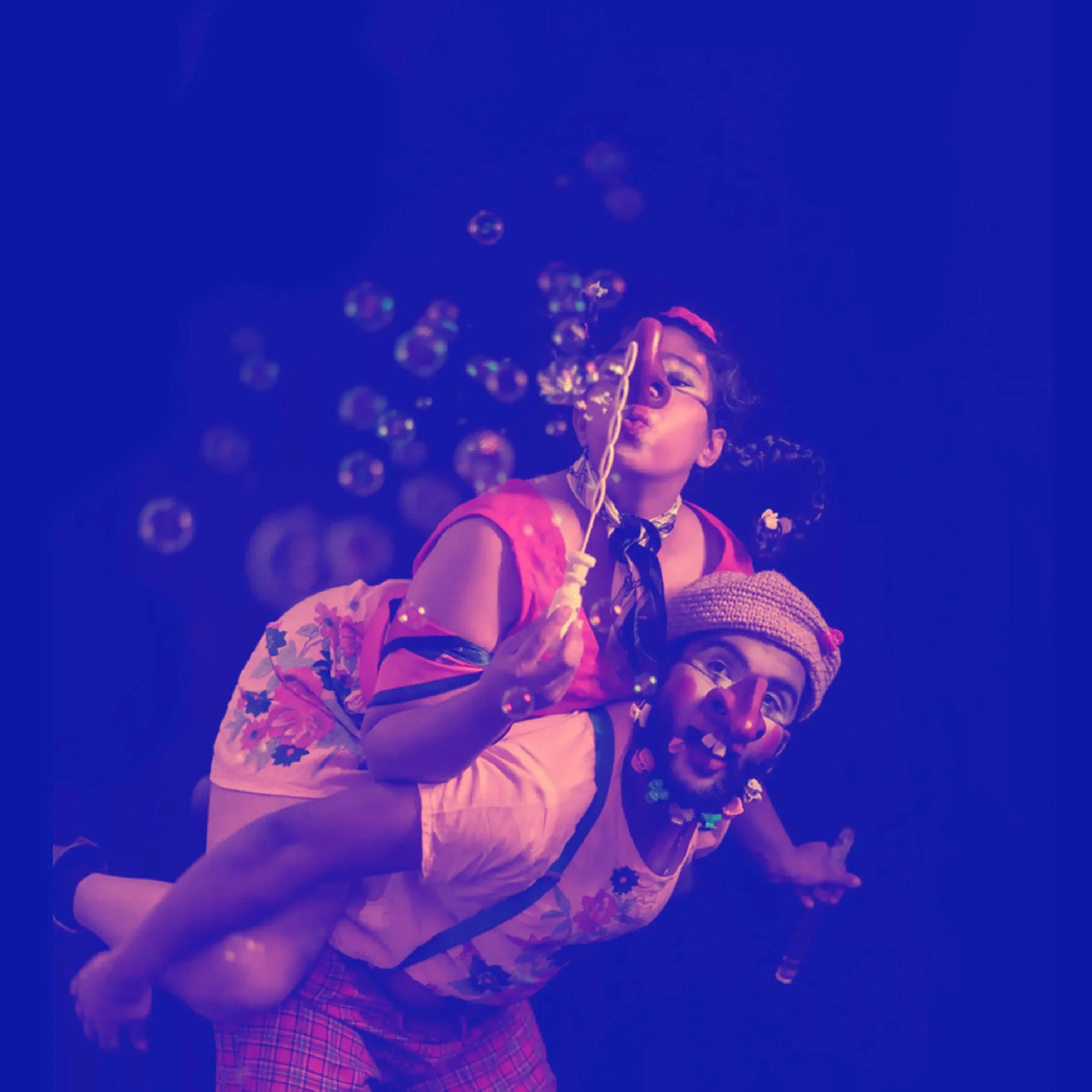
Clowning Around at GBS with Clown Compass
Join us for a morning of friendly clown games, laughs, and bubbles!
Our friends at Clown Compass are back for another joy-filled morning at the Geoffrey Bawa Space, bringing their unique and playful presence into the Gallery. This is a fun, casual event that invites kids to let their imagination loose as we run, jump, play, and interact with the space inside and out.
Please note, things may get messy! We’ll be playing with bubbles so come dressed appropriately.
This event will run for approximately one hour, and drinks and snacks will be provided. The activity is designed for primary school-aged children (6-10 years) with a parent, guardian, or carer. Younger and older siblings are welcome.
Driving Co-existence: Infrastructure and Policy for Connected Landscapes with Dr Ramesh Kumar Pandey
This talk will explore how policy, infrastructure planning and connected landscapes can shape a future where development and wildlife conservation coexist.
A leading wildlife conservation professional with nearly three decades of experience, Dr Pandey brings expertise in elephant conservation, wildlife corridors, protected-area management and environmental enforcement. A PhD in Wildlife Science, he has represented India at major international conservation forums and received the 2019 UN Asia Environmental Enforcement Award.
This NTB WNPS lecture is a joint presentation with the Geoffrey Bawa Moonamal Award Knowledge Series and supported by the Indian High Commission.
Free Admission.
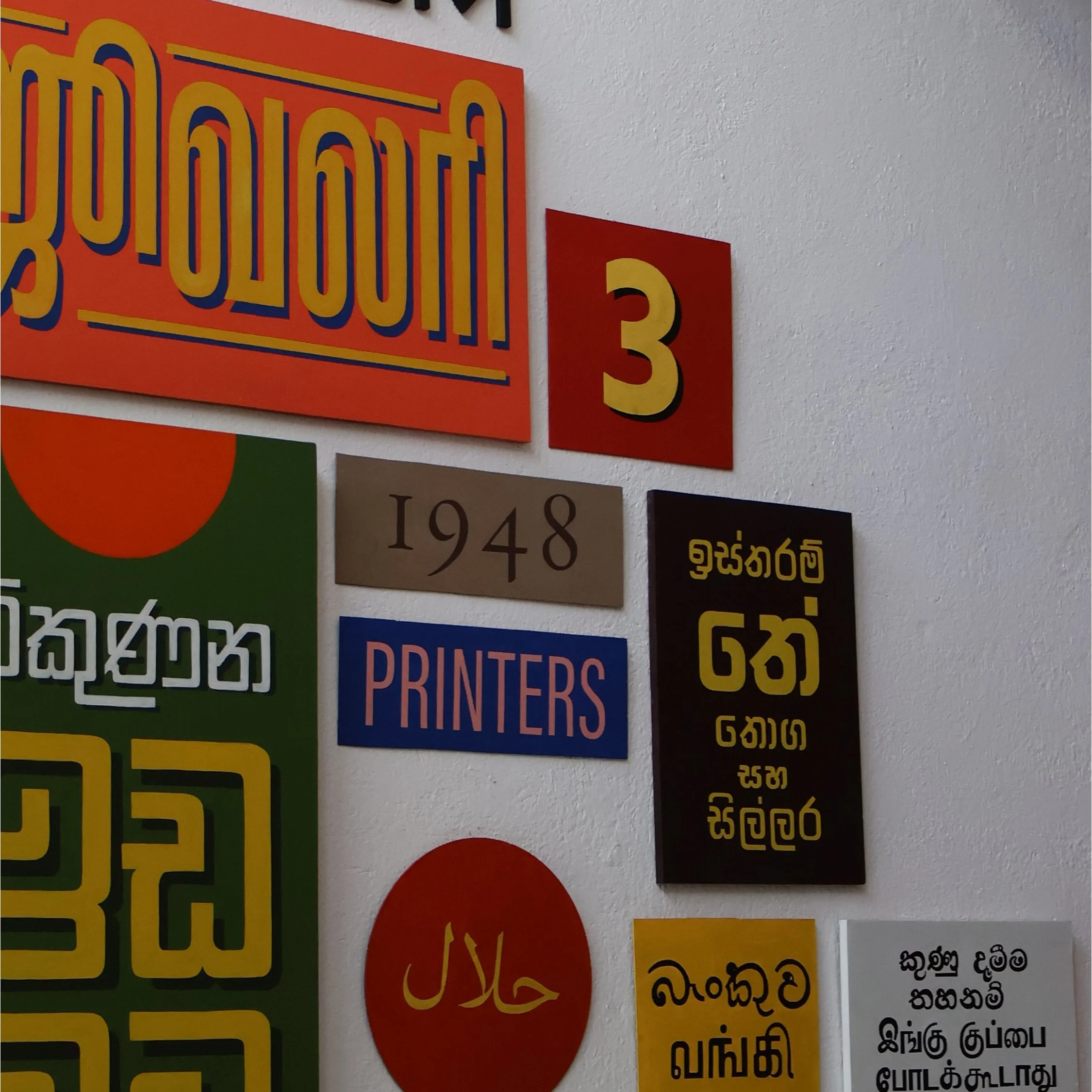
නිහාල් පෙරේරා සහ කෝසල සෙනෙවිරත්න සමඟ අක්ෂර, අවකාශය, හා යටත්විජිතහරණය | Letterforms, Space and Decolonisation with Nihal Perera and Kosala Senevirathne
සමකාලීන අවකාශයක් වන කොළඹත්, සමස්තයක් ලෙස ශ්රී ලංකාවත් මූලික වශයෙන් යුරෝපීය යටත්විජිත නිෂ්පාදනයකි. මෙයට සමාන්තර වූ ඉතිහාසයක් අක්ෂර තුළ ද ගැබ්ව පවතී; අප අකුරු භාවිතා කරන ආකාරය, ලේඛනයේ අරමුණු සහ අප භාවිතා කරන ඩිජිටල් අකුරු හැඩතල (digital fonts) පවා යටත්විජිතකරණයේ කැළැල් දරා සිටියි. අප භෞතික අවකාශයන් තුළ සැරිසරන්නාක් මෙන්ම, භාෂාව හරහා ද අවකාශය පරිහරණය කරනු ලබයි. අපගේ අක්ෂර මාලාව හුදු සන්නිවේදනයට ඔබ්බෙන්, නොකඩවා සිදුකෙරෙන නිර්මාණයන්, ප්රතිනිෂ්පාදනයන් සහ නැවත අර්ථ දැක්වීම් හරහා සමාජය, දැනුම සහ තාක්ෂණයේ සිදුවන වෙනස්කම්වල කොටසක් ලෙස ඉදිරියට යයි. මිනිසුන් යම් භාෂාවක් උරුම කරගන්නවාට වඩා වැඩි යමක් කරමින්, නවීන අවශ්යතා සඳහා එය සක්රීයව ප්රතිනිර්මාණය කරති. මෙම වැඩසටහන මගින් අක්ෂර නිර්මාණ ශිල්පය තුළ ඇති ඓතිහාසික යටත්විජිත බලපෑම් සහ 'අකුරු' යටත්විජිතහරණය (decolonise) කිරීමේ සමකාලීන ක්රියාකාරීත්වයන් පිළිබඳව සාකච්ඡා කරනු ඇත.
මහාචාර්ය නිහාල් පෙරේරා යනු "පශ්චාත්-යටත්විජිත නගර නිර්මාණවේදය" (post-colonial urbanism) සඳහා දැක්වූ බලපෑම්සහගත දායකත්වය වෙනුවෙන් පුළුල් ලෙස ඇගයීමට ලක්වූ, කොළඹ සහ ආසියානු නගර නිර්මාණවේදය පිළිබඳ ප්රමුඛ පෙළේ විද්වතෙකි. ඔහුගේ පර්යේෂණ මගින් සාමාන්ය ජනයා තම වටපිටාව අත්පත් කරගනිමින් සහ නැවත අර්ථ දක්වමින් සමාජීය අවකාශය සක්රීයව හැඩගස්වන ආකාරය - එනම් ඔවුන් වෙනසෙහි නියමුවන් ලෙස ක්රියා කරන ආකාරය පෙන්වා දීමට ආසියානු අත්දැකීම් සිද්ධාන්තගත කරයි. ඇමරිකා එක්සත් ජනපදයේ බෝල් ස්ටේට් විශ්වවිද්යාලය (Ball State University) පදනම් කරගෙන කටයුතු කරන මහාචාර්ය පෙරේරා, මේ වන විට බටහිර ආධිපත්යයෙන් ඔබ්බට ගිය විකල්ප අධ්යාපනික ක්රමවේදයන් වර්ධනය කිරීම කෙරෙහි අවධානය යොමු කරමින්, සිංහල මාධ්යයෙන් මෙහෙයවනු ලබන විශේෂිත අධ්යයන පාඨමාලා පවත්වනු ලබයි.
කෝසල සෙනෙවිරත්න යනු වෘත්තීය අක්ෂර නිර්මාණ ශිල්පියෙකි (type designer). සිංහල අක්ෂර මූලිකව නිර්මාණකරණයේ නියුතුව සිටින කෝසලගේ නිර්මාණ කාර්යයන්, අක්ෂර රටා නිර්මාණය (typeface design), අක්ෂර හා බැඳුනු පර්යේෂණ (typographic research) සහ බහු-භාෂා ප්රකාශන සැලසුම්කරණය (multiscript editorial design) දක්වා වූ පරාසයක විහිදේ. ශ්රී ලංකාවේ රාජ්ය භාෂාවන් අතර පවතින දෘශ්යමය සන්නිවේදන පරතරයන් පියවීම සඳහා උනන්දුවකින් කටයුතු කරන ඔහු ඒ වෙනුවෙන් තම නිර්මාණ හරහා මැදිහත්වීම් කරමින් සිටියි. ගෝලීයකරණය හමුවේ දේශීය භාෂාවන්හි නිවැරදි හා සාධාරණ නියෝජනය වෙනුවෙන් පෙනී සිටින ඔහු, සිංහල, දෙමළ සහ ඉංග්රීසි යන භාෂා ත්රිත්වයම ඒකාබද්ධ කෙරෙන අක්ෂර රටා නිර්මාණය කිරීමේ ගෝලීය වැඩසටහන් සඳහා සිය දායකත්වය සපයයි. ඔහු කොළඹ මූලිකව ක්රියාත්මක වන ‘මූනියැක්’ අක්ෂර නිර්මාණ ආයතනයේ සම-ආරම්භකයෙකි.
Contemporary spaces like Colombo and greater Sri Lanka were deeply shaped by European colonial rule. A parallel history exists within typography: the way we use akuru (letters), our purposes for writing, and even the digital fonts we use all bear the scars of a colonial break. Just as we navigate physical spaces, we inhabit language. We use our alphabet not just for passive communication, but as an active tool to keep up with shifts in society, knowledge, and technology through continuous redesign, reproduction, and redefinition. Far from just inheriting a language, people actively reinvent it for modern needs. This session will explore the historic colonial fractures in typography and the contemporary movement to decolonise akuru.
Please note that this talk will be primarily in Sinhala, but English-speaking audience members are also welcome.
Professor Nihal Perera is a leading scholar of Colombo and Asian urbanism, widely recognised for his foundational contributions to “post-colonial urbanism.” His research theorises the Asian experience to show how ordinary people act as agents of change—actively shaping social space by occupying and redefining the environments around them. Based at Ball State University (USA), Professor Perera currently focuses on developing alternative pedagogies beyond Western hegemony, teaching specialised, off-the-grid courses conducted in Sinhala.
Kosala Senevirathne is a type designer from Sri Lanka with a focus on his native script, Sinhala. His practice spans typeface design, typographic research, and multiscript editorial design, guided by a commitment to bridging communication gaps among Sri Lanka’s official languages. Rooted in the principle of inclusive communication, his work advocates for local language equity amidst rapid globalisation. Kosala has collaborated on global initiatives developing typefaces that integrate Sinhala, Tamil, and English, enabling smoother publishing and design workflows for Lankan typographic needs. He is also a co-founder of Mooniak, a type foundry operating at the intersection of culture, typography, and identity.
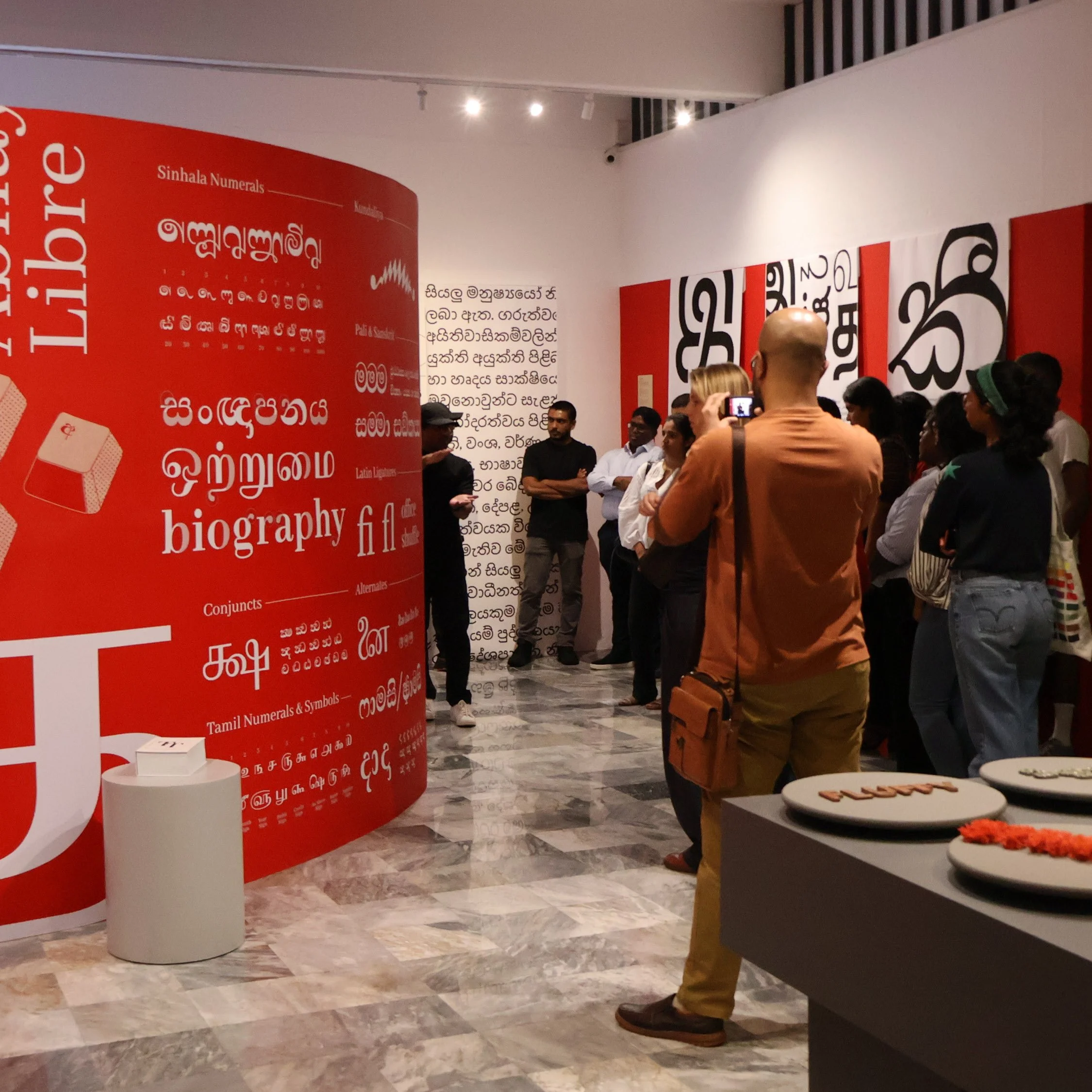
Sinhala Akurugraphy Exhibition Tour and Albion Press Demonstration
Join a tour of our current Akurugraphy exhibition at the Bawa Space:
Akurugraphy is an exhibition on letterforms. Examining the history, development, and application of Sinhala, Tamil, and Latin typography in Sri Lanka, the exhibition challenges the idea that global digital infrastructure is ever truly neutral.
Led by Mooniak founders and exhibition co-curators, Pathum, Kosala, and Rajitha, the tours offer a behind-the-scenes look into the world of typography. The Sinhala tour includes a demonstration of the antique Albion Press, currently on show at the exhibition.
‘Akurugraphy’ is supported by generous grants from Kohler India, the Initiating Partner for the Geoffrey Bawa Trust’s exhibitions programme, and Sampath Bank Private Banking for the exhibition’s public programme.
Kosala is a type designer from Sri Lanka with a focus on his native script, Sinhala. His practice spans typeface design, typographic research, and multiscript editorial design, guided by a commitment to bridging communication gaps among Sri Lanka’s official languages. He advocates for language equality and multilingual design in inclusive communication. Kosala has contributed to projects developing typefaces that integrate Sinhala, Tamil, and English, enabling smoother publishing and design workflows. He pursued advanced typography through collaborations with international foundries. Based in Colombo, he leads South Asian script development and co‑organizes workshops promoting typographic literacy and innovation.
Rajitha is a self‑taught designer from Sri Lanka with a focus on Sinhala fonts, reflecting his mother tongue and cultural heritage. With a background in UI/UX and web design, his practice emphasizes the need for trilingual communication on the Sri Lankan web, integrating Sinhala, Tamil, and English for accessibility and inclusivity. His work extends into exploring Sri Lankan identity, seeking ways to represent it authentically and sustainably for the future. Rajitha has contributed to projects highlighting typography’s role in bridging linguistic divides and shaping digital experiences. Based in Colombo, he develops typefaces, consults on multilingual design, and researches how visual communication can preserve and project Sri Lanka’s evolving identity.
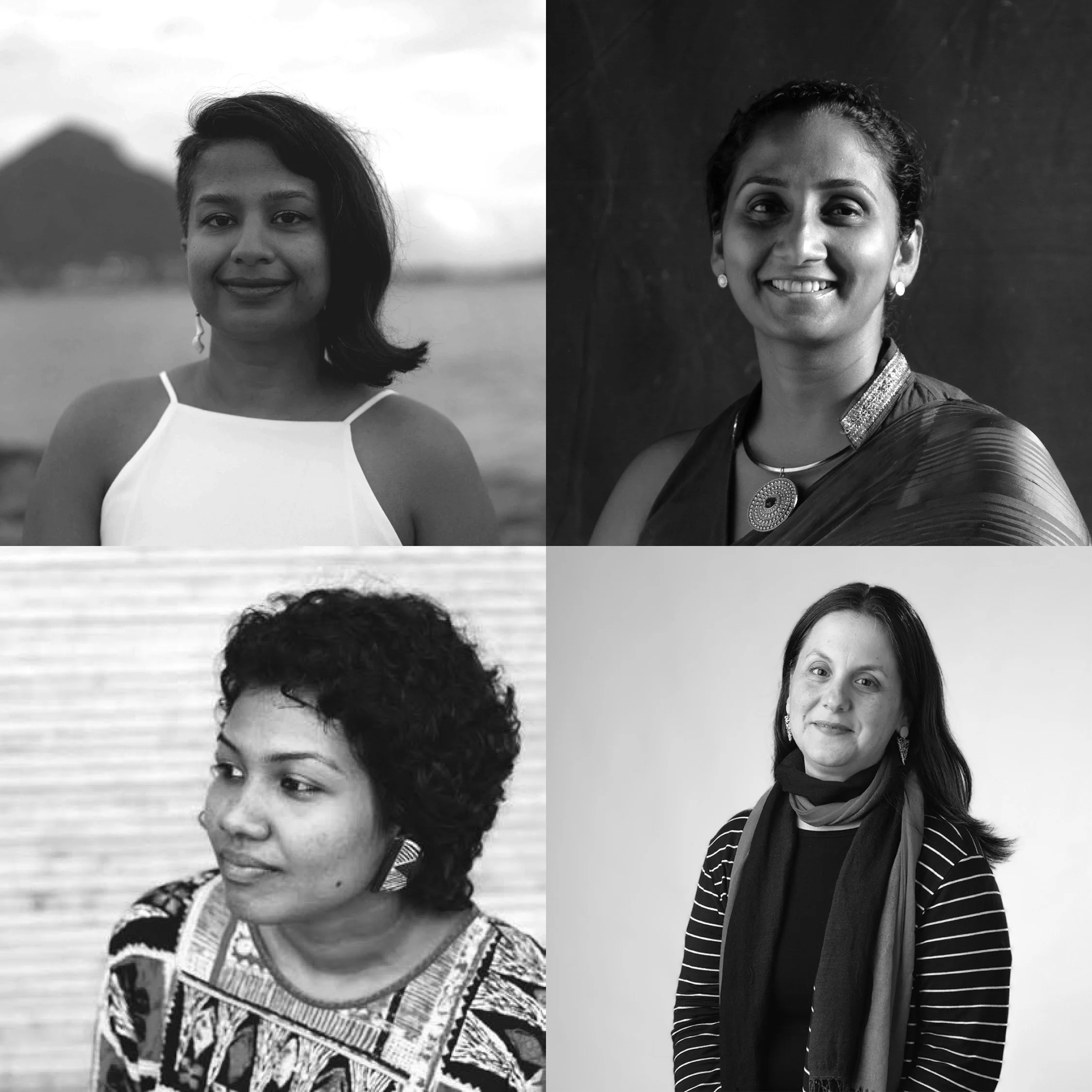
Alphabettes Soup Roundtable
In 2015, amid intense discussions about sexism and gender diversity in the type industry, a conversation among a few internet acquaintances quickly expanded into Alphabettes, a global network of over 300 women and gender diverse type designers, lettering artists, typographers, and design educators. Since then, this decentralised network has published hundreds of articles, paired emerging type designers with mentors, and hosted numerous public events and critique sessions. Committed to promoting equity, Alphabettes advocates for diversity in type design at conferences, educational institutions, and throughout the industry worldwide.
The recently published Alphabettes Soup: Feminist Approaches to Type celebrates a decade of feminist approaches to type research, design, and creative community-building. The 400-page potluck blends key articles from the Alphabettes platform with original essays, exploring intersections between culture, language, business practices, technology, and type. Conceived as a type specimen, the book showcases the work of over 250 contributors and 116 typefaces. Aimed at challenging dominant narratives in type history and contemporary practice, Alphabettes Soup seeks to inspire future generations to create their own decentralised design communities.
In this roundtable discussion, Alphabettes Soup editor Amy Papaelias will moderate a discussion with Tanya George, Sumanthri Samarawickrama, and Chani Perera on what it means to incorporate “feminist approaches to type” in design practice, research, and pedagogy, and specific implications for South Asian design communities.
Amy Papaelias (moderator) is a Professor of Graphic Design at the State University of New York at New Paltz. She has presented her work and research at the Typographics Festival, the Type Directors Club, and the Letterform Archive. She recently published Alphabettes Soup: Feminist Approaches to Type (Bikini Books, 2026).
Tanya George is an independent designer of sorts. She draws letterforms digitally for fonts and identities but also makes them out of paper and metal for her artworks. She loves leading TypeWalks grounded in typographic research and woven with local oral histories. She has written for Typographica, Fontstand News, and the Letterform Archive where she is also a global docent.
Dr Sumanthri Samarawickrama is a design educator and researcher. Her doctoral research on the anatomy and historical development of Sinhala typefaces established foundational knowledge on Sinhala typography. She is a Senior Lecturer in the Department of Integrated Design at the University of Moratuwa. She has also served as Vice President of the Association Typographique Internationale (ATypI) and is the founder and Chair of the Integrated Design Research (IDR) Conference.
Chani Perera is a Sri Lankan graphic designer and design educator with 17 years of experience shaping and representing the region’s design landscape. Her career began in design and advertising at Leo Burnett, Dentsu Grant and Riot House before she expanded into design academia at the Academy of Design, Sri Lanka. She currently serves as a Creative Director at BBDO Sri Lanka.
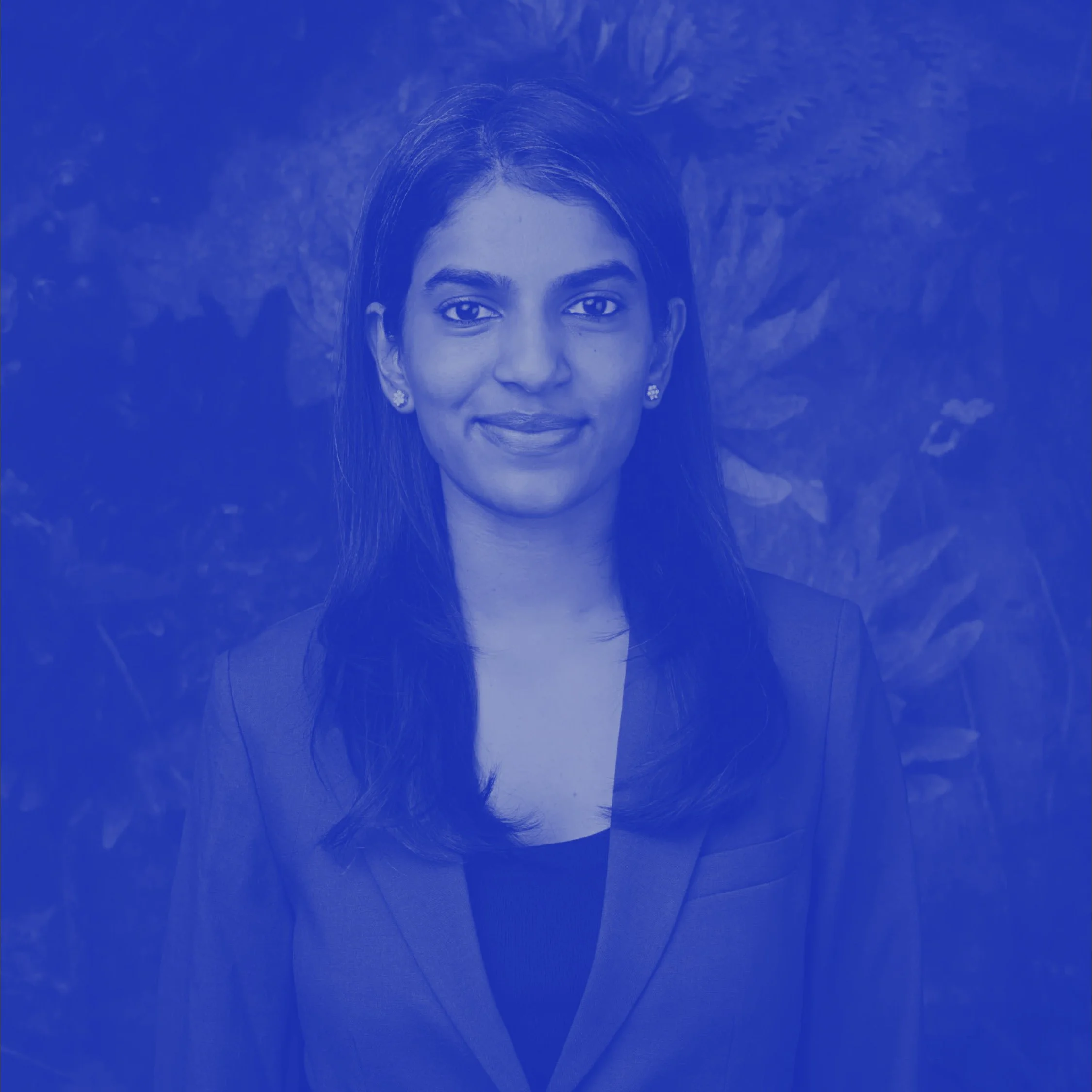
Noguchi in South and Southeast Asia with Dr Kalyani Madhura Ramachandran
The Trust looks forward to welcoming historian of South Asian art Dr Kalyani Madhura Ramachandran for a talk and workshop exploring sculpture, writing, and the work of modernist sculptor Isamu Noguchi in South and Southeast Asia.
Dr Ramachandran’s talk will look at Noguchi’s enduring engagement with the stonework of premodern South and Southeast Asia and how these influences informed Noguchi’s artistic philosophy and practice. The talk will specifically examine sculpture of early India, such as at Sanchi, Elephanta, and Mahabalipuram, alongside sites from across South and Southeast Asia, including Sigiriya in Sri Lanka, Borobudur in Indonesia, and Angkor in Cambodia. In tracing the centrality of the “matter of sculpture” in his approach, the talk will expand understanding of the sculptor’s oeuvre and advocate for new, material approaches to the study of premodern South and Southeast Asian sculpture.
Dr Kalyani Madhura Ramachandran is an art historian of South Asia. Her work focuses on early Buddhist art and its transmissions across South Asia, the eastern Indian Ocean, and Southeast Asia. She also has interests in colonial, contemporary, and curatorial approaches to premodern South Asian art. Dr Ramachandran holds a PhD from Columbia University, an MPhil at the University of Oxford as a Rhodes Scholar, and a B.A. from the University of Delhi, where she won the Department of History Prize. She previously served as a Research Assistant at the Metropolitan Museum of Art and is currently a Postdoctoral Fellow at NYU Shanghai.
Crafts, Candy and Costumes: Kids Halloween Special
Halloween is just around the corner and the Geoffrey Bawa Space is getting into the spirit of the day with a special kids event.
We don’t want to give too much away, but there will be crafts and candy and costumes. Kids are welcome to come dressed up if they wish.
This event will run for approximately one hour, and drinks and snacks will be provided. The activity is designed for primary school-aged children (6-10 years) with a parent, guardian, or carer. Younger and older siblings are welcome.
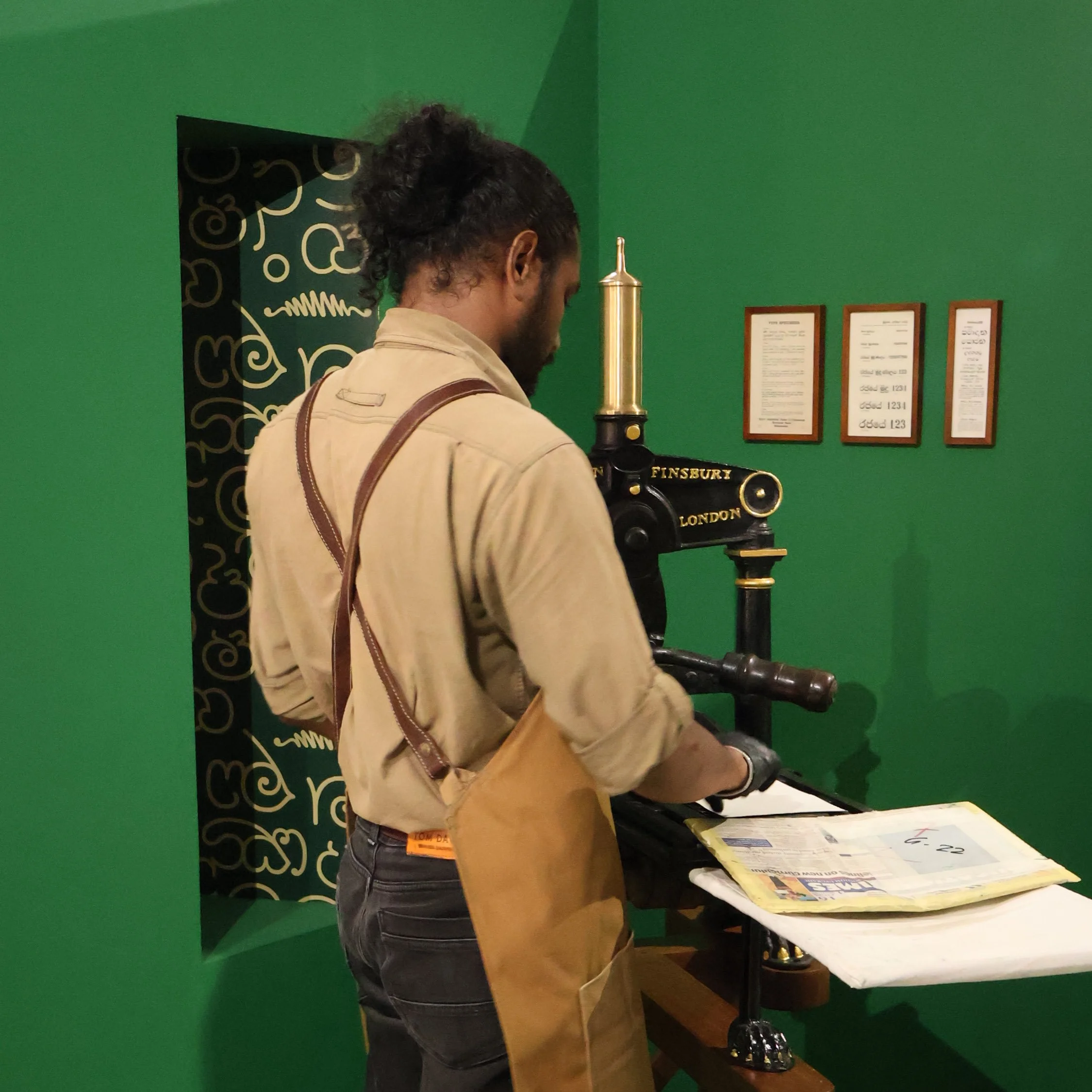
English Akurugraphy Exhibition Tour and Albion Press Demo
Join Mooniak founder and co-curator Pathum Egodawatta of the Akurugraphy exhibition for a behind-the-scenes look into the world of typography on this exhibition tour. This tour will include a demonstration of the antique Albion Press, currently on show at the exhibition.
Mooniak is a Colombo-based graphic design firm and type foundry working at the intersection of culture, typography, design, and identity.
The team leading the tour includes Pathum, a typeface designer, font engineer, and typography researcher, and Sajaan Peiris, curator of the W A Silva Museum for Language, Literature and Typography.
‘Akurugraphy’ is supported by generous grants from Kohler India, the Initiating Partner for the Geoffrey Bawa Trust’s exhibitions programme, and Sampath Bank Private Banking for the exhibition’s public programme.
Pathum is a typeface designer, font engineer and a researcher of typography. He specializes in type and typography of South Asian scripts with a focus on Sinhala and Tamil scripts and multilingual communications. Pathum received his MA in Typeface Design from the University of Reading with a distinction in 2016 and a BA in Graphic Design from the Academy of Design (AOD), Colombo with a distinction in 2013. He is currently based in Colombo, Sri Lanka leading Mooniak – a multidisciplinary design, art direction and technology practice with an emphasis on type. Pathum and the team provides consulting on South Indian script related localisation, type design, typography and multilingual communication. He is also the co-founder of Akuru Collective and Curator at W.A. Silva Museum & Printing Press.
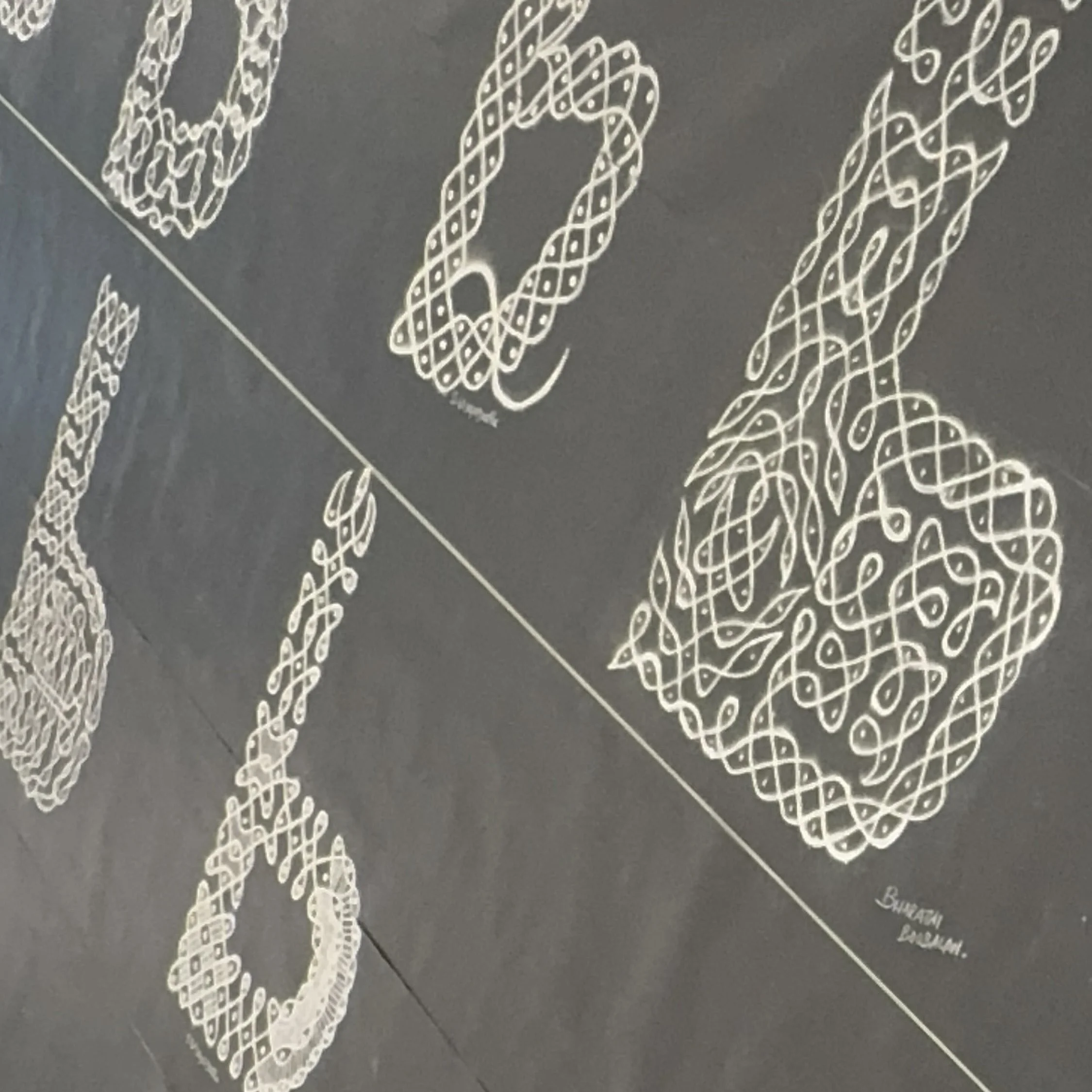
Kolam: An Ephemeral Quotodien Ritual Floor Art as a Typeface with Ishan Khosla
The Kolam is a celebration of the divine and ephemeral, an ancient mathematical floor pattern made by women at the threshold of the house to bring auspicious energy to the home.
Inspired by this ritualistic practice also known as rangoli, alpana and mandala, type designer Ishan Khosla and his team at The Typecraft Initiative worked with 15 kolam artists in Tamil Nadu to create letters that eventually became typefaces based on the kolam.
Join Ishan, an award-winning visual artist, educator and type and graphic designer, for a presentation on how The Typeface Initiative works with craftspeople, indigenous artists, and refugees to create typefaces grounded in history and tradition but made for contemporary digital use.
Based in Dehradoon, India, Ishan is a TED Fellow, and a Type Directors Club finalist, he holds an MFA in Design from the School of Visual Arts, New York. Ishan founded The Typecraft Initiative in 2011, to address broader themes of cultural preservation, sustainability, equity, and the politics of representation. He sees type as a tool for transformation—one that can amplify marginalized voices, preserve endangered traditions, and inspire new creative possibilities for bringing communities together. Ishan is a juror for the Granshan Bloom Awards 2026.
His work has been exhibited internationally—including the Venice Biennale, London Design Biennial, Atelier Muji Ginza Tokyo, Indian Ocean Crafts Triennial, RMIT Gallery, and the Australian Design Centre. Ishan’s work has been collected by—SFMOMA, The Letterpress Archive, Fukuoka Asian Art Museum and the Powerhouse Museum. Recently, the V&A museum has commissioned him to design posters for their collection.
Ishan has spoken at ATypI, Typographics, Type Directors Club, Typo Berlin, AIGA, the Japan Foundation, Fukuoka Asian Art Museum, Stanford, University of Edinburgh, Aalto University, School of Visual Arts, California College of Art, and College Art Association. His writing is published in Marg magazine; The Politics of Global Craft, and the Field of Brooms. His work is featured in the V&A’s India Contemporary Design; Typographic Universe and Asian Graphics Now! He is currently writing a book to be published by RIT University on The Typecraft Initiative.
His published work includes—“Reimagining Baiga tattoos as a typeface” (Marg); “Exile from the Forest” (The Politics of Global Craft [Bloomsbury]) and, “A Sweeping View of the Jharu: the socio-cultural and political connotations of the broom in South Asia” (Field of Brooms). He is currently writing a book to be published by RIT University on The Typecraft Initiative.
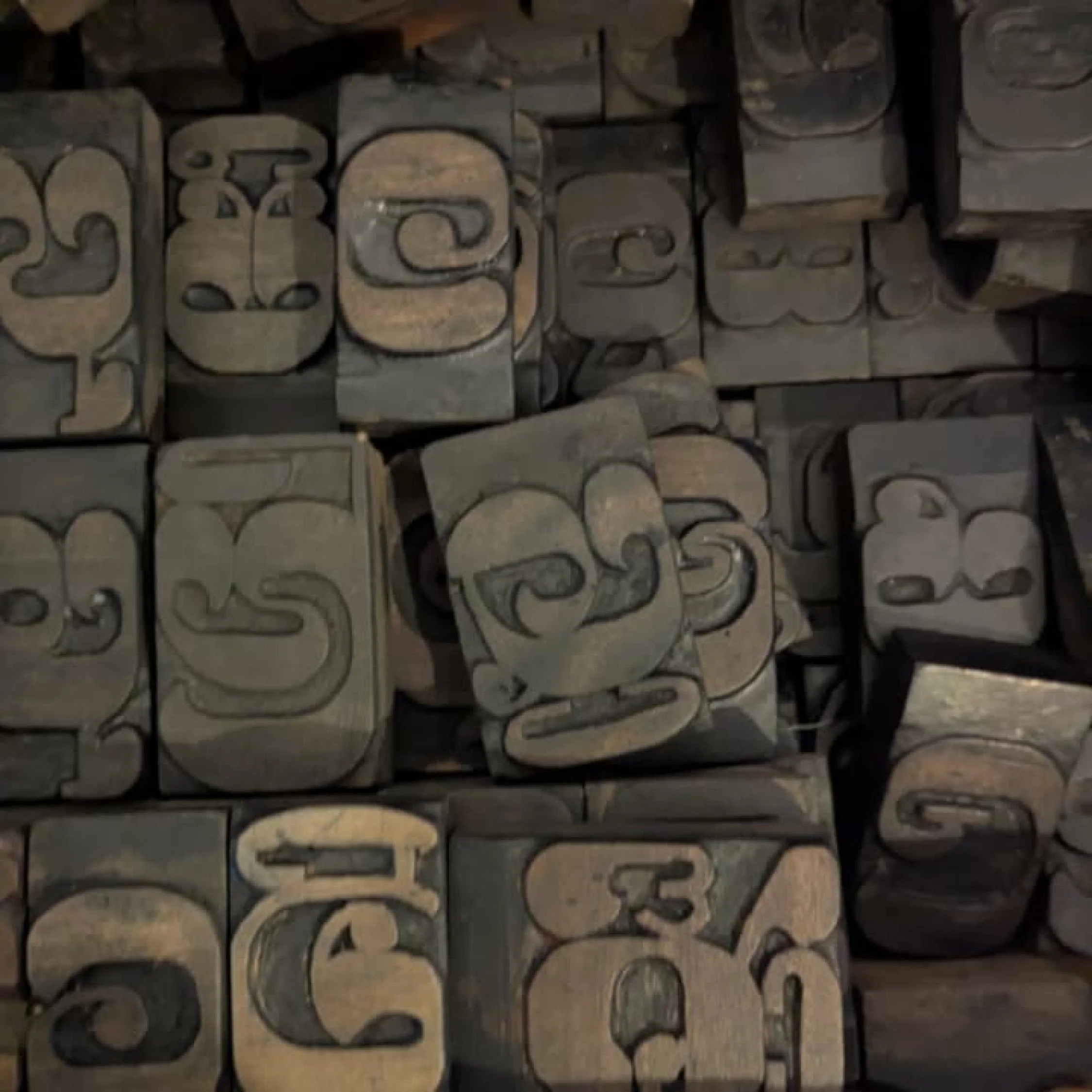
Wood Type Cleaning with the Akuru Collective
We are excited to collaborate with the Akuru Collective on another morning of woodtype cleaning at the W.A. Silva Museum.
Typography is more than creating and utilising different fonts; it encompasses culture, communication, and creativity. Led by members of the Akuru Collective, this workshop will introduce participants to the world of typography, with special focus on woodblocks and letterpress printing.
The Akuru Collective is a community that brings together people who are passionate about lettering, type design, visual communication, and the stories behind written forms. Participants will join the Akuru Collective at the W. A. Silva Museum for Language, Literature and Typography for a guided session on restoring Sinhala woodblock type and the art of letterpress printing.
Research-informed Practice in Type Design: A Case Study of the Araliya Typeface for Sinhala and its Legacy
Focusing on the typographic development of Araliya, the first digital typeface for Sinhala, this illustrative talk will consider how diverse resources can inform type-design practice.
Fiona Ross, an award-winning type historian, type designer, and educator, leads this presentation. Drawing on her extensive experience as a researcher and design practitioner in South Asian type and typography, Fiona will discuss a design methodology that advocates research-based practice to underpin effective textual communication.
This talk will also highlight how re-evaluating past practices and critically engaging with current conventions and technologies can enhance typographic communication in complex writing systems.
With a background in languages and a PhD in Indian Palaeography (SOAS), Fiona specialises in type design and typography primarily for Arabic, South Asian, and Thai scripts, and is Professor in Type Design (part-time) at the University of Reading, UK
Seeking Abundance: Design, Ecology and a Flourishing Planet with Sierra Bainbridge
Join Sierra Bainbridge, founder and Senior Principal for Landscape Architecture at Model of Architecture Serving Society (MASS), for an online discussion on how cross-disciplinary partnerships, community-centered approaches, and regenerative strategies can contribute towards a more equitable and healthy world.
Sierra invites the audience to reimagine design through the lens of regeneration, interdependence, and radical hope. As co-editor of “Seeking Abundance: Design, Ecology and a Flourishing Planet”, Sierra’s presentation will share insights from the book and examine how we can minimise environmental damage caused by the building and infrastructure industries.
Blending landscape, architecture, ecology, and regional planning, Sierra uses cross-disciplinary design and metrics to address climate change and foster abundance for all species. Her work has earned AIA, ASLA, COTE, and Cooper Hewitt National Design Awards for excellence, research, and sustainability.
This talk is part of the Geoffrey Bawa Moonamal Award Knowledge Series to share research and best practices on designing for humans and nature.
Botanical Echoes of the Thar with Dr Madan Meena
This talk focuses on traditional block prints from the ecological zone of the Thar Desert. Culturally recognised as Marwar in western Rajasthan, bordering Sindh in Pakistan, the local flora of the region inspired block carvers to evolve a sophisticated array of stylised motifs that became foundational to the ethnic textile identity of the desert’s indigenous communities. These communities wore these printed designs until the mid-20th century, when mechanised textile production and fast fashion eroded their visual vocabulary.
The Marwar Block Print Project aims to recover about 400 lost designs and publish them as textile samples printed with natural dyes on Khadi cotton fabric. This publication will feature interpretive analyses of the designs and their evolution, developed in collaboration with botanical illustrators and Rajasthan miniature artists.
Many of these prints also feature exotic plants from foreign lands that travelled alongside artisan communities and were eventually absorbed into various local craft traditions. Beyond material culture, the project also records the folklore through which these plant-inspired prints were celebrated, presenting the cultural fabric of human life in the desert.
Dr Madan Meena is a Rajasthan-based artist, folklore researcher, and textile revivalist dedicated to documenting and preserving the cultural heritage of western India’s rural, nomadic, and tribal communities. His research explores some of Rajasthan’s oldest folk traditions through the lived experiences of their last living practitioners. His scholarly and archival projects have received prestigious support from institutions including the University of Cambridge, the Ministry of Culture (Government of India), and the Sahapedia-UNESCO Fellowship.
As a curator, Dr Meena has conceptualised notable exhibitions such as the Arna Jharna Desert Museum's broom exhibition in Jodhpur and the Thar Desert Pottery Project for Kaner Retreat. He is currently spearheading a major revival and publication initiative focused on the historic hand-block prints of Rajasthan's Marwar region. His folklore recordings are being published online by the People’s Archive of Rural India (PARI) and archived under the Modern Endangered Archive program of UCLA Library—California (US).
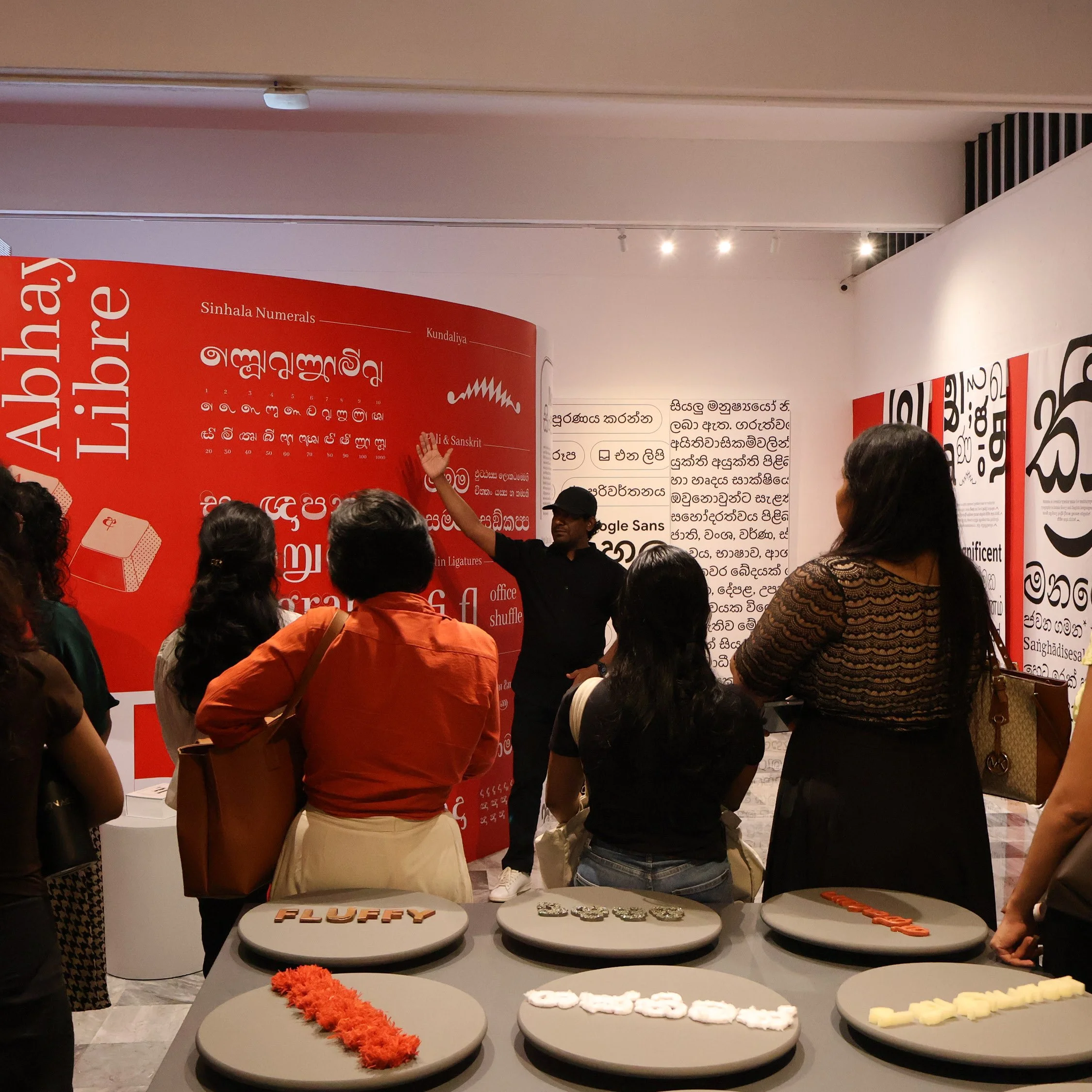
Sinhala Akurugraphy Exhibition Tour
Don’t miss this Sinhala tour at the Akurugraphy exhibition at the Geoffrey Bawa Space!
Join Kosala Senevirathne — Mooniak co-founder and exhibition co-curator — for a Sinhala tour of the Akurugraphy exhibition. With a focus on his native script, Sinhala, Kosala’s practice spans typeface design, typographic research, and multiscript editorial design. He is guided by a commitment to bridging communication gaps among Sri Lanka’s official languages.
‘Akurugraphy’ is supported by generous grants from Kohler India, the Initiating Partner for the Geoffrey Bawa Trust’s exhibitions programme, and Sampath Bank Private Banking for the exhibition’s public programme.
Kosala is a type designer from Sri Lanka with a focus on his native script, Sinhala. His practice spans typeface design, typographic research, and multiscript editorial design, guided by a commitment to bridging communication gaps among Sri Lanka’s official languages. He advocates for language equality and multilingual design in inclusive communication. Kosala has contributed to projects developing typefaces that integrate Sinhala, Tamil, and English, enabling smoother publishing and design workflows. He pursued advanced typography through collaborations with international foundries. Based in Colombo, he leads South Asian script development and co‑organizes workshops promoting typographic literacy and innovation.
Rajitha is a self‑taught designer from Sri Lanka with a focus on Sinhala fonts, reflecting his mother tongue and cultural heritage. With a background in UI/UX and web design, his practice emphasizes the need for trilingual communication on the Sri Lankan web, integrating Sinhala, Tamil, and English for accessibility and inclusivity. His work extends into exploring Sri Lankan identity, seeking ways to represent it authentically and sustainably for the future. Rajitha has contributed to projects highlighting typography’s role in bridging linguistic divides and shaping digital experiences. Based in Colombo, he develops typefaces, consults on multilingual design, and researches how visual communication can preserve and project Sri Lanka’s evolving identity.
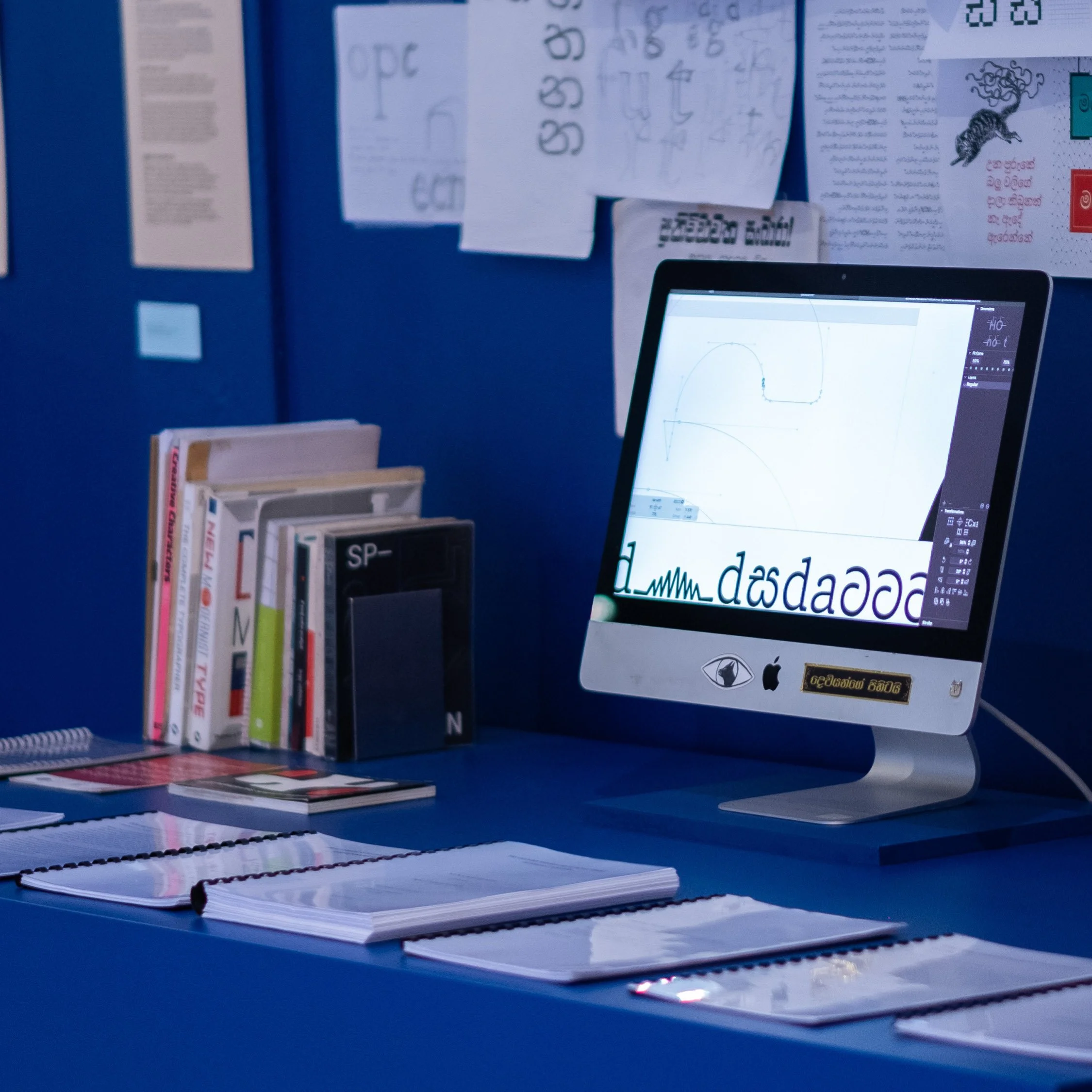
ColomboType at Akurugraphy
ColomboType is a gathering and platform for Sri Lanka’s growing community of type enthusiasts, created to share knowledge, resources, research and experimentation around typography.
Its first meeting, hosted by Mooniak in 2018, brought together designers, researchers and type aficionados to explore the possibilities of Sinhala and Tamil type design, from extinct Sinhala numerals and the anatomy of Sinhala typography to new font design projects. ColomboType aims to encourage exploration, collaboration and the growth of type knowledge and creation within Sri Lanka’s creative community.
This year’s ColomboType will be held at the Bawa Space as part of the Mooniak-curated Akurugraphy exhibition, with presentations by Alain Parizeau and Dr Sumanthri Samarawickrama.
Bending Type with Sound with Alain Parizeau:
What happens when music is used to contrive typographic meaning? Type takes on rhythm, cadence, and emotional weight that bends its meaning. In this 45‑minute seminar, Alain Parizeau goes beyond the standard elements used with typography and explores how sound and visual language interact, focusing on sensory metaphors and emotional rasas as tools for interpreting and shaping type choices.
Alain Parizeau co‑founded Public Works, a story design studio. His practice blends Jungian theory, rasa aesthetics, and brand-persona‑driven playlists to unlock emotional resonance in design.
Uncovering Methods of Sinhala Letterforms: Calligraphy and Letterpress with Dr Sumanthri Samarawickrama
This presentation examines two methodological approaches to studying and documenting historical Sinhala letterforms. The first investigates mural calligraphy using photographic documentation, letterform extraction, and structural analysis, while the second examines early letterpress newspaper mastheads through structured visual analysis.
Dr Sumanthri Samarawickrama is a design educator and researcher whose work explores typography, graphic communication design, Sri Lankan graphic and typographic history, packaging design, heritage visualisation, and editorial design.
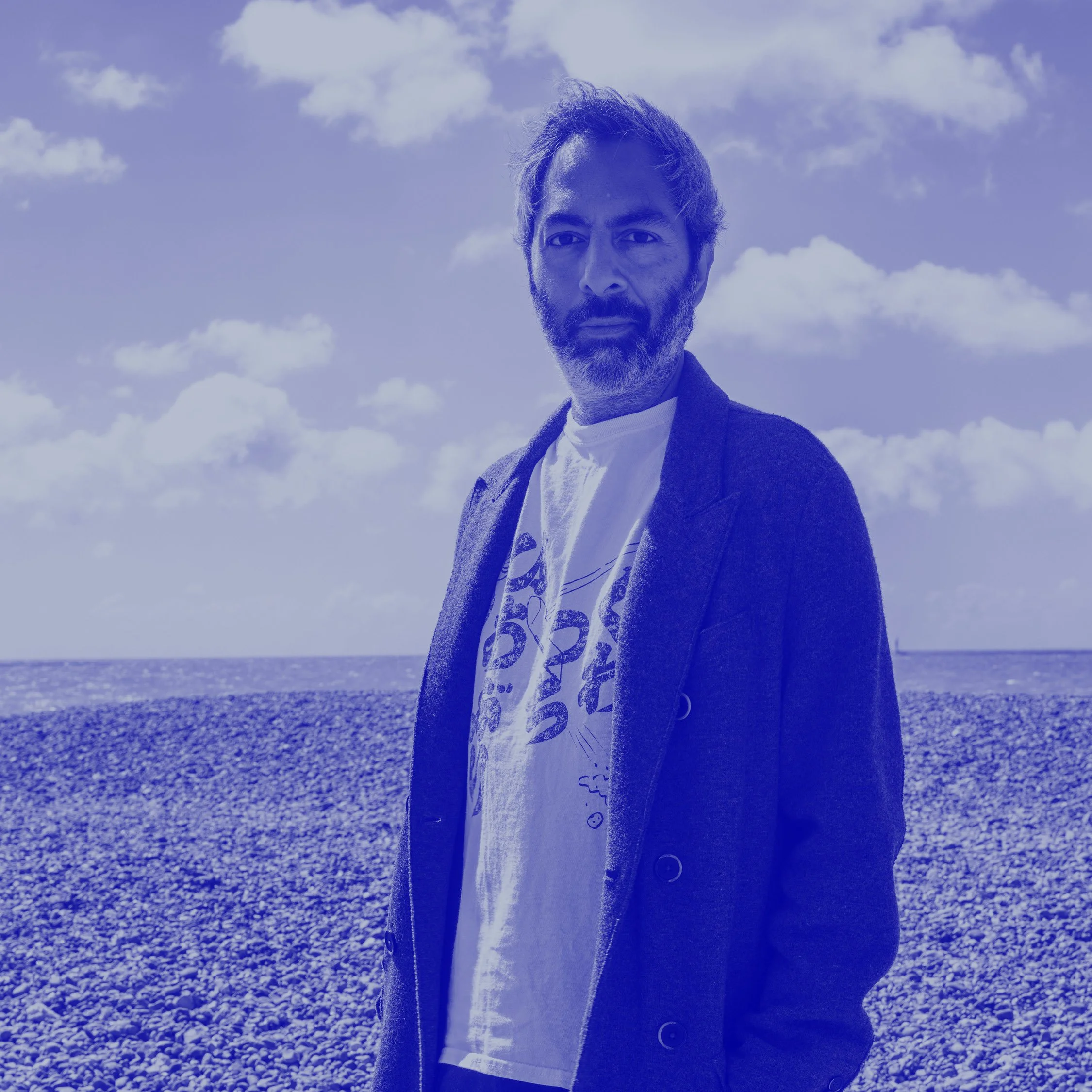
South Asian Modern with Shezad Dawood
A significant part of Shezad Dawood’s practice over the past sixteen years has been devoted to exploring the cultural and social dynamics behind regional modernism. In particular, Dawood has focused on five ‘case studies’, as he terms them, each relating to key buildings or architects operating across South Asia.
In this talk, Dawood will discuss how each case reveals a specific moment of nation-building in the immediate post-war and post-colonial period.
Shezad Dawood is a multidisciplinary artist who interweaves stories, realities and symbolism to create richly layered artworks, spanning painting, textiles, sculpture, film and digital media. Fascinated by ecologies and architecture, his work takes both a playful and philosophical approach. His practice is animated by research, working with multiple audiences and communities to delve into narrative, history and embodiment.
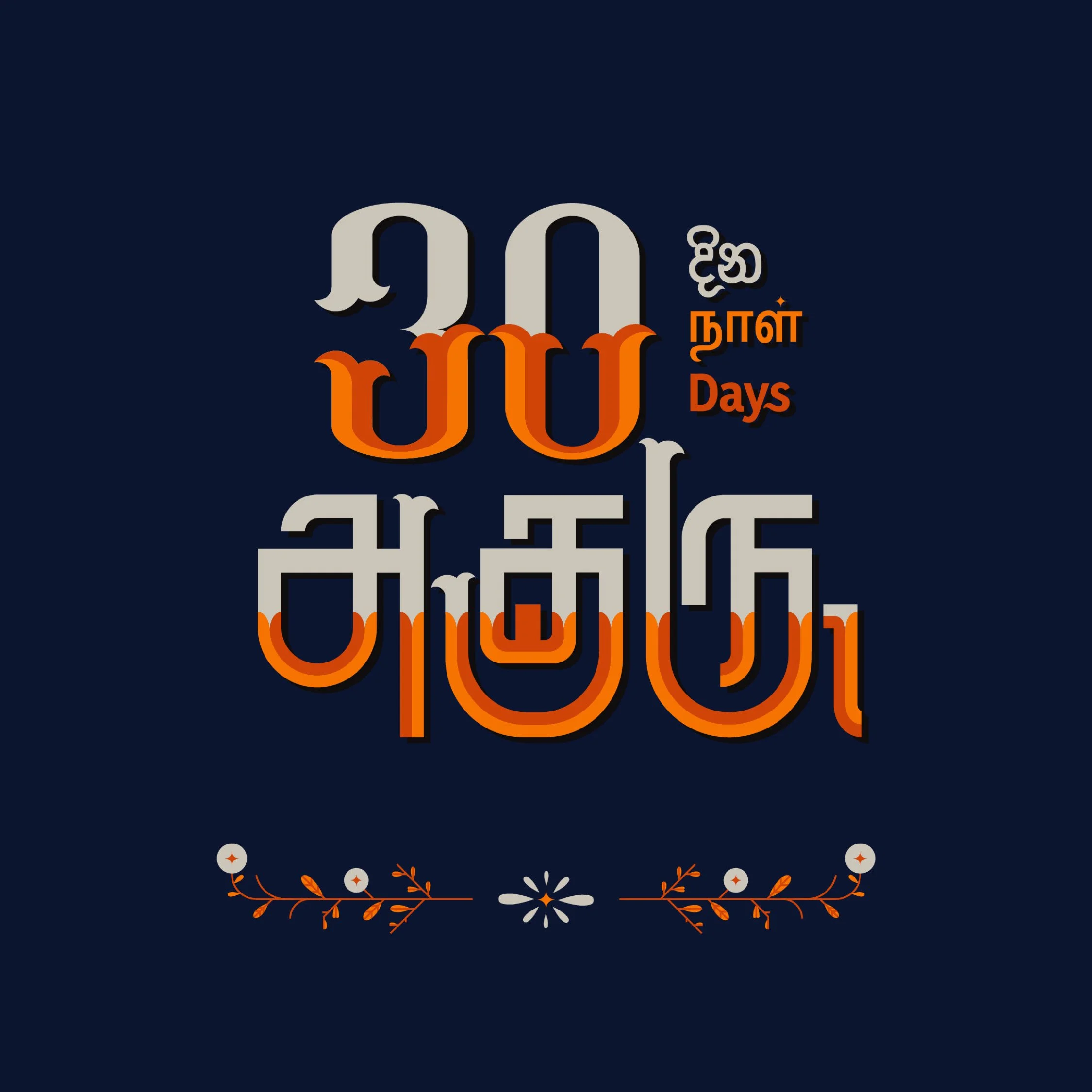
30 Days of Akuru Get Together – 8th Edition Kick-off
‘30 Days of Akuru’ is an annual global design challenge where creators worldwide reimagine a single Sinhala or Tamil letter every day for a month through illustration, sculpture, or motion graphics.
Co-founders Chamodi Waidyathilaka and Vihanga Samaradiwakara started the event in 2019 as a celebration of Sinhala and Tamil letterforms, exploring one letter for each day of the month.
Now in its eighth edition, the 2026 celebration will kick off with an informal meet-up of creators and typography enthusiasts.
Seven local artists will be sharing their work to walk through their creative process and illustrate how they approach letters in their own way. No big presentations, no formal workshops, just good conversations, interesting work, and a space to connect.
Drop in, explore unique script concepts, connect with fellow designers, and enjoy the space.
The Akuru Collective brings together people passionate about lettering, type design, visual communication, and the stories behind written forms. Cofounder Vihanga Samaradiwakara, a motion graphics and logo designer with a deep passion for typography, hosts this event.
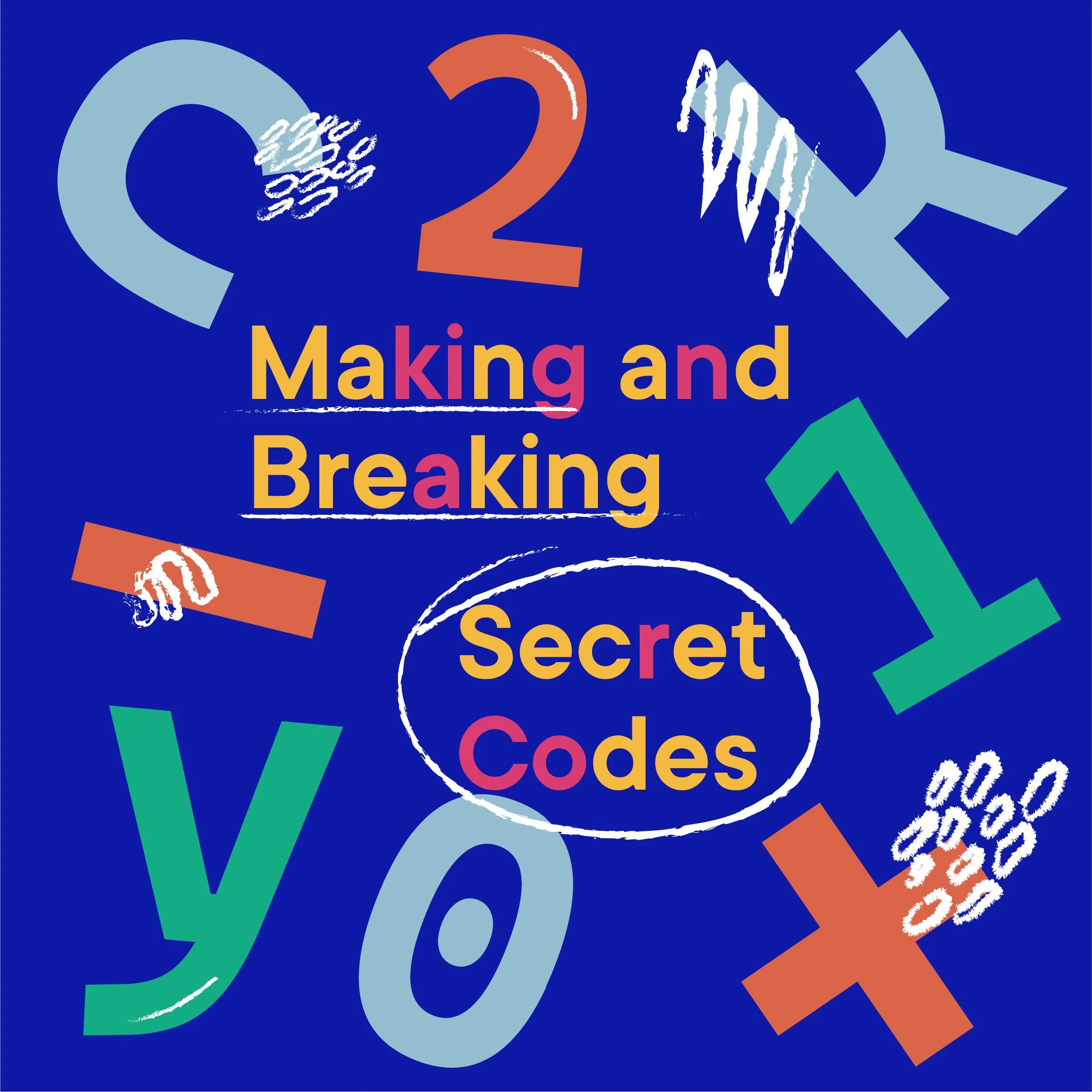
Kids Event: Making and Breaking Secret Codes
This month’s Saturday activity for children will look at the practice of making and breaking secret codes.
Inspired by the ongoing Akurugraphy exhibition at the Bawa Space, this event will look at how letters and numbers can be used to create secret meanings and messages. The event will include a “kid-friendly” glimpse at parts of the exhibition.
Children are invited to play with and manipulate the letters, explore the meanings of words, and have fun.
The tour and activity will run for approximately one hour, and drinks and snacks will be provided. The activity is designed for primary school-aged children with a parent, guardian, or carer. Younger and older siblings are welcome.
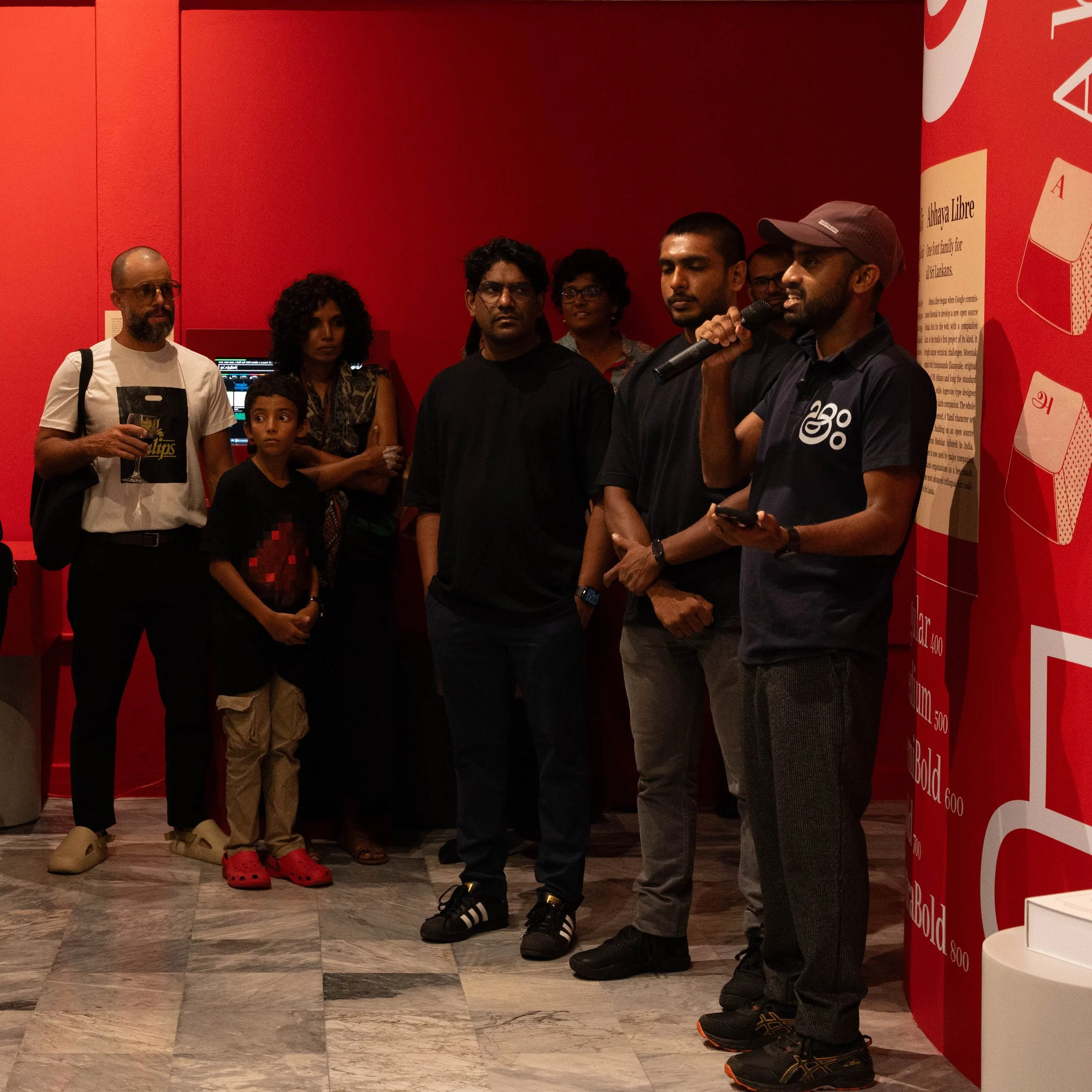
Akurugraphy Exhibition Tour and Albion Press Demo with the Mooniak Team
Mooniak founders and co-curators of the Akurugraphy exhibition will be leading a behind-the-scenes look into the world of typography on this bilingual exhibition tour.
This tour will include a demonstration of the antique Albion Press, currently on show at the exhibition.
Pathum is a typeface designer, font engineer and a researcher of typography. He specializes in type and typography of South Asian scripts with a focus on Sinhala and Tamil scripts and multilingual communications. Pathum received his MA in Typeface Design from the University of Reading with a distinction in 2016 and a BA in Graphic Design from the Academy of Design (AOD), Colombo with a distinction in 2013. He is currently based in Colombo, Sri Lanka leading Mooniak – a multidisciplinary design, art direction and technology practice with an emphasis on type. Pathum and the team provides consulting on South Indian script related localisation, type design, typography and multilingual communication. He is also the co-founder of Akuru Collective and Curator at W.A. Silva Museum & Printing Press.
Kosala is a type designer from Sri Lanka with a focus on his native script, Sinhala. His practice spans typeface design, typographic research, and multiscript editorial design, guided by a commitment to bridging communication gaps among Sri Lanka’s official languages. He advocates for language equality and multilingual design in inclusive communication. Kosala has contributed to projects developing typefaces that integrate Sinhala, Tamil, and English, enabling smoother publishing and design workflows. He pursued advanced typography through collaborations with international foundries. Based in Colombo, he leads South Asian script development and co‑organizes workshops promoting typographic literacy and innovation.
Rajitha is a self‑taught designer from Sri Lanka with a focus on Sinhala fonts, reflecting his mother tongue and cultural heritage. With a background in UI/UX and web design, his practice emphasizes the need for trilingual communication on the Sri Lankan web, integrating Sinhala, Tamil, and English for accessibility and inclusivity. His work extends into exploring Sri Lankan identity, seeking ways to represent it authentically and sustainably for the future. Rajitha has contributed to projects highlighting typography’s role in bridging linguistic divides and shaping digital experiences. Based in Colombo, he develops typefaces, consults on multilingual design, and researches how visual communication can preserve and project Sri Lanka’s evolving identity.
Talk: Soul in the Software – Characters, Culture, and the Curves of Tamil Type
How do we preserve the human touch of a script within the rigid structures of modern digital platforms?
Join type designer, font engineer, lettering artist and calligrapher Tharique Azeez for a behind-the-scenes look at the realities of crafting contemporary Tamil typography. Drawing on extensive experience engineering system fonts and shaping typographic landscapes for global stages, Tharique will trace the evolution of Tamil letterforms.
This talk will explore how Tamil letterforms have evolved, unpack the visual disparities in our everyday environment, and examine the creative problem-solving required to bring vibrant, culturally rooted Tamil type into the digital age.
Tharique Azeez is a type designer, font engineer, lettering artist and calligrapher specialising in Tamil Typography. From engineering system Tamil fonts for Apple to designing striking stage typography for A R Rahman’s global tours. His work bridges historical letterform heritage with cutting-edge digital precision to reshape our modern visual landscape.
Digital Archives in the Age of Artificial Intelligence
South Asian Design Educators Alliance (SADEA) and People’s Graphic Design Archives (PGDA) are partnering with the Geoffrey Bawa Trust for a discussion on digital archives in the age of Artificial Intelligence (AI).
This panel discussion will look at the limited representation of South Asian visual culture within existing digital archives and what it means to make this heritage openly accessible online in an age of AI scraping. The panel will explore the importance of digitising and making archives accessible, the potential for such initiatives to contribute to decolonising digital archives, and the risks of making cultural material freely available for automated collection and appropriation.
Panellists include:
Archana Shekara, Chair, SADEA; Professor of Graphic Design, Co-Director of Ethnic Studies, and Creative Director of Design Streak Studio at Wonsook Kim College of Fine Arts, Illinois State University
Pathum Egodawatta, Co-founder, Mooniak; font engineer and graphic designer
Brockett Horne, Co-director, Peoples Graphic Design Archive (PGDA)
Sujeewa Bandara, Assistant Curator–Archives, Geoffrey Bawa Trust
Nipuni Siyambalapitiya, Treasurer of SADEA and an industrial design educator, researcher, and community facilitator based in Cupertino, California, will moderate the discussion.
Talk: The Memory Palace: A Personal Visual World with Shiva Viswanathan
In a world increasingly shaped by algorithms that promote visual homogeneity, how can designers build an inclusive visual language that is unmistakably their own?
Join visual communications expert Shiva Viswanathan for a discussion on how designers can use their own unique experiences to shape their work using the Memory Palace technique.
A Memory Palace, also known as the Method of Loci, allows you to mentally map information to a familiar physical environment, and by "walking" through this space, you can retrieve the stored facts, lists, or concepts on demand.
In his talk, Shiva will explore how a Memory Palace can become a rich visual archive, allowing designers to tap into lived experiences, cultural environments, personal histories and accumulated encounters with art, cinema, music, typography, illustration and everyday life. Through collecting, curating and making associations, designers can turn memory, including its imperfections, into a deeply personal creative resource.
Shiva will also explore ways to broaden exposure, revisit foundations, trust instinct, and consciously build a visual world that resists algorithmic conformity, celebrates differences, and makes creative work more distinctive, human, and personal. This is illustrated with examples of personal work, students' work, and exploratory ideas of thought networks.
Shiva Viswanathan brings over three decades of true market experience in design. He is the Co-founder and CMO of the Texas-based organisation Catenate.io, which focuses on creating AI-centric solutions for human challenges. Shiva is also a Director for the conference and community DesignUp.io.
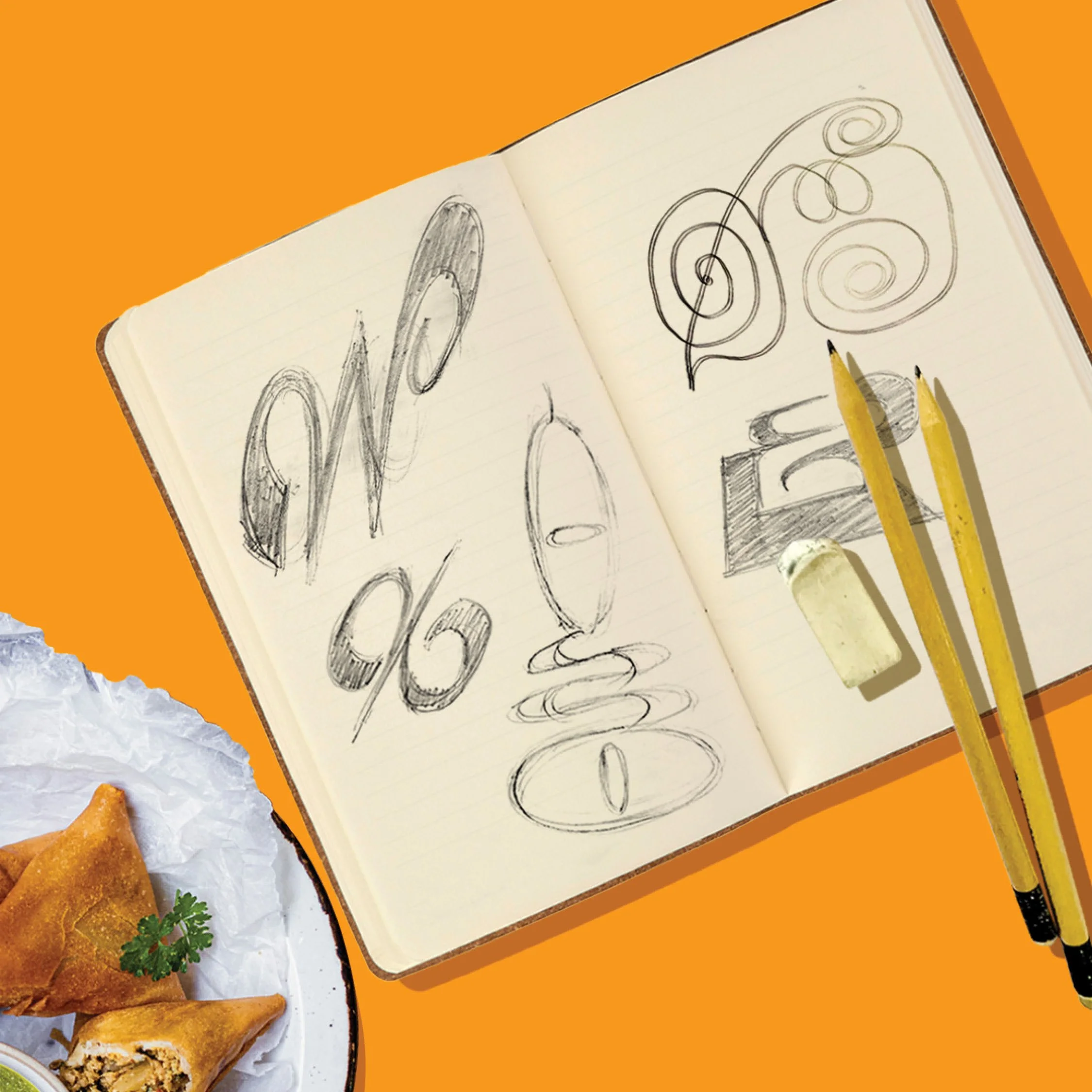
Workshop: Akuru Sketch Meet with Indika Jayatilake
The Geoffrey Bawa Trust is excited to be hosting its first Akuru Sketch Meet, a fun, casual gathering for anyone interested in drawing expressive letters.
Indika Jayatilake, designer and founding member of the Akuru Collective, will introduce how letters are seen and perceived, and how tweaking their form can add a whole new layer of meaning.
The participants will then create a series of one-minute expressive letter sketches, each guided by a fun, quirky prompt.
Indika is a brand identity designer with a background in advertising. He is a typography enthusiast and a founding member of Akuru Collective, a community bringing people together to inspire interest in language and type. He currently works as a Brand Designer and a Creative Team Lead at 1705 Studio.
Design Talks: Beyond the Logo: Building Experiential Brands with Amy Quickfall
Branding is more than just what people see: the logo, a colour palette, and a type suite. A brand is what people feel, built detail by detail in the spaces they move through.
In this Design Talk, CEO and Studio Director of Studio Nice One, Amy Quickfall, will discuss an approach to brand building that encompasses the entire philosophy and culture of an organisation beyond just the visual identity.
Drawing on her own hospitality and F&B projects, Amy will unpack how experiential branding beyond a logo turns identity into something people remember, return to, and feel deeply connected to.
Amy Quickfall is CEO and Founder of Studio Nice One, Sri Lanka's first branding-focused studio, now in its 8th year and with a portfolio of 130+ hospitality and food and beverage clients across Sri Lanka and internationally. Originally from the UK, she brings 15+ years of industry experience in strategy, identity, and packaging design to create brands that people really connect with.
The Geoffrey Bawa Design Talks are supported by Lanka Tiles.
Queer Ecologies and Abundant Imaginaries in Contemporary Sri Lankan Art with Dr Edwin Coomasaru
Since the 1920s, a visual culture of queer ecological art has crafted an aesthetics of abundance in Sri Lanka.
Join art historian Dr Edwin Coomasaru for a look at the relationships between gender, sexuality, capitalism, and climate in recent exhibitions: Ramesh Mario Nithiyendran’s Idols of Mud and Water at Glasgow Tramway (2023-24), alongside Chathuri Nissansala in The Order of Nature at Lunuganga (2023-24) and Ritualising Mutant Encounters (2024) at Barefoot.
Drawing on Geoffrey Bawa’s own queer environmental framings, this lecture will situate Nithiyendran and Nissansala’s work in relation to contemporaneous events: from Aragalaya-Porattam protests and Jaffna Queer Festival’s ‘queer ecology’ theme in 2022, to ongoing attempts to decriminalise homosexuality as ‘against the order of nature’ under the 1883 British Penal Code. Where colonialism and ethnonationalism manufactured structures of social and environmental scarcity, Nithiyendran and Nissansala build imaginative worlds of abundance.
Dr Edwin Coomasaru is a Mid-Career Fellow at Yale University’s Paul Mellon Centre for Studies in British Art, Lecturer in History of Art at the University of Bristol, Visiting Fellow at University College London, and Reviews Editor for Visual Culture in Britain. Coomasaru is currently writing a book on Queer Ecologies and Abundant Aesthetics in Sri Lankan Art, 1926-2024.
Visual Storytelling Workshop with the GBT Youth Collective
In today’s digital culture, storytelling is often driven by viral trends, audio overlays, and fast-paced edits. While these tools are popular, they also distract from a deeper observation and understanding of spaces.
Join GBT Youth Collective member Vihanga Jayaweera and filmmaker Hari Jashwanth for a hands-on session that follows a core framework of learning, sharing, and creating.
Spaces are fundamentally experienced through light, material, movement, sound, and time. Video is a medium uniquely capable of capturing these dynamic, sensory elements as they unfold. However, capturing the essence of a space does not require elaborate technology or artificial spectacle; it involves allowing yourself the time to be truly present.
Geoffrey Bawa’s architecture demonstrates how spaces can tell powerful, lasting stories through contextual materials, spatial sequencing, and genuine human experience. Inspired by this philosophy, this workshop aims to teach young creatives how to observe and communicate architectural spaces through pure visual storytelling.
Workshop participants will learn how to create meaningful storytelling without expensive tools or fleeting trends, and by tapping into sensitivity, curiosity, and awareness.
Hari Jashwanth is a filmmaker and content creation specialist with four years of experience crafting stories that go beyond chasing trends to create lasting impact. From 2021 until 2025, he conceptualised and ran end-to-end production of two video podcasts for Goodlife X (GLX). As the video production lead for GLX, he produced a mini-documentary capturing the reflections of the creatives who took in the Creative Catalyst Fellowship residency. Hari has also worked as a freelancer on various projects from sportswear-athleisure fashion videography and notably as a line producer for an international concert tour film (Hip Hop Tamizha - TO BE LOVED (Sri Lanka and Singapore Edition). He has also taken part and completed the 4dayfilmmaker course by Hollywood AD Chris Burgess, where he collaborated on a short film project that is currently in final edit.
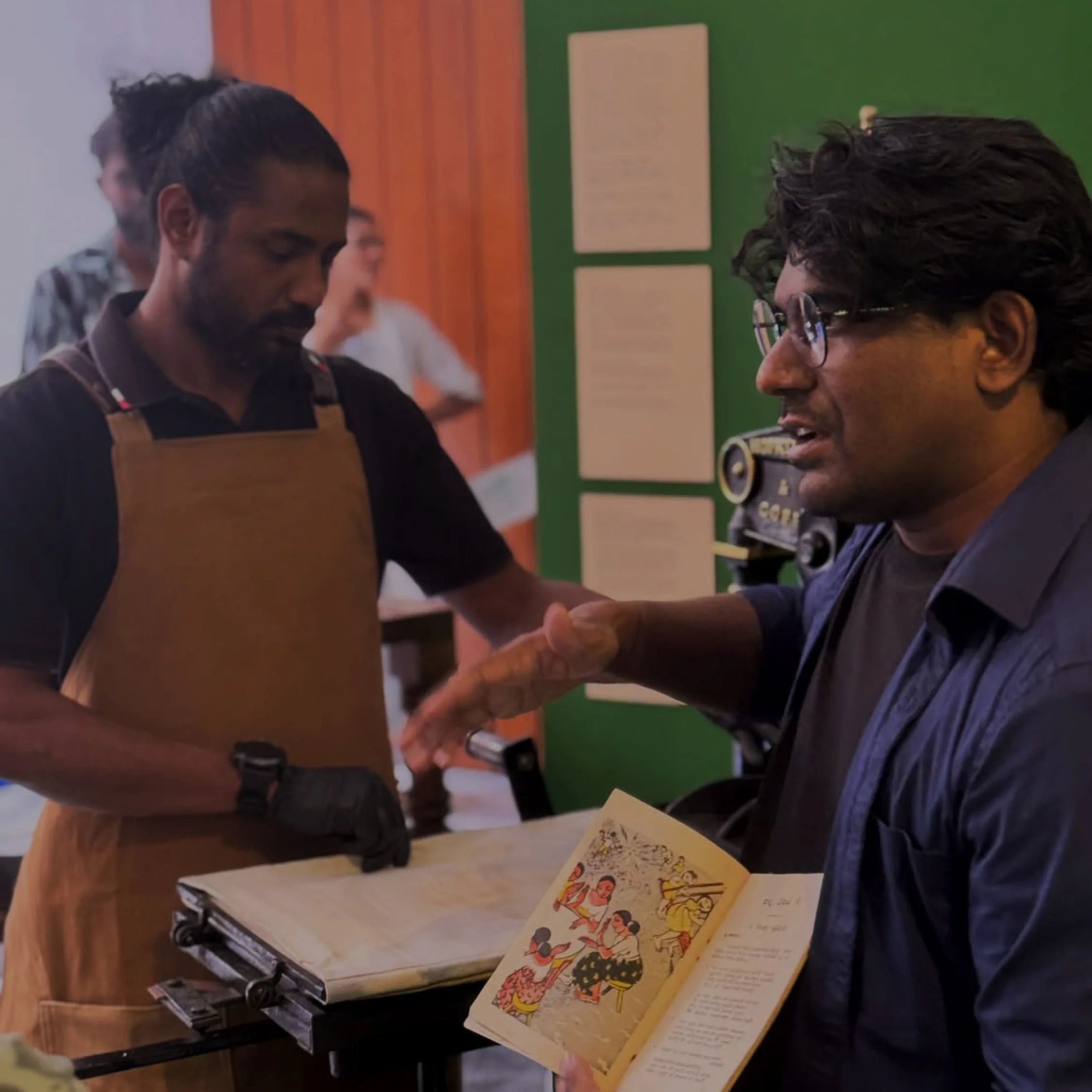
Exhibition Sinhala tour and Albion press demonstration with co-curator Kosala Senevirathne
Join Mooniak co-founder and exhibition co-curator Kosala Senevirathne for a Sinhala tour of the Akurugraphy exhibition. With a focus on his native script, Sinhala, Kosala’s practice spans typeface design, typographic research, and multiscript editorial design. He is guided by a commitment to bridging communication gaps among Sri Lanka’s official languages.
The tour will conclude with a demonstration of the antique Albion Press by Sajaan Peiris, curator of the W A Silva Museum and restorer of the Albion Press currently on display at Akurugraphy. The Albion Press is an early iron hand letterpress originally designed and manufactured in London. Letterpress printing on machines such as the Albion was the dominant industrial printing technique worldwide until the late 1970s.
Akurugraphy Exhibition Tour and Font Making Craft
Join the first children’s tour of the new Akurugraphy exhibition. This fun, interactive exhibition combines lessons on the history of typography and discussion on the role of fonts in everyday life. Kids will learn about how fonts are made, have a chance to interact with the exhibits on display, and take part in a fun craft-related activity.
The morning is all about introducing children to the world of letters and fonts that fill our world, giving them a chance to play and explore, and tapping into their creativity.
The tour and activity will run for approximately one hour, and drinks and snacks will be provided. The activity is designed for primary school-aged children with a parent, guardian, or carer. Younger and older siblings are welcome.
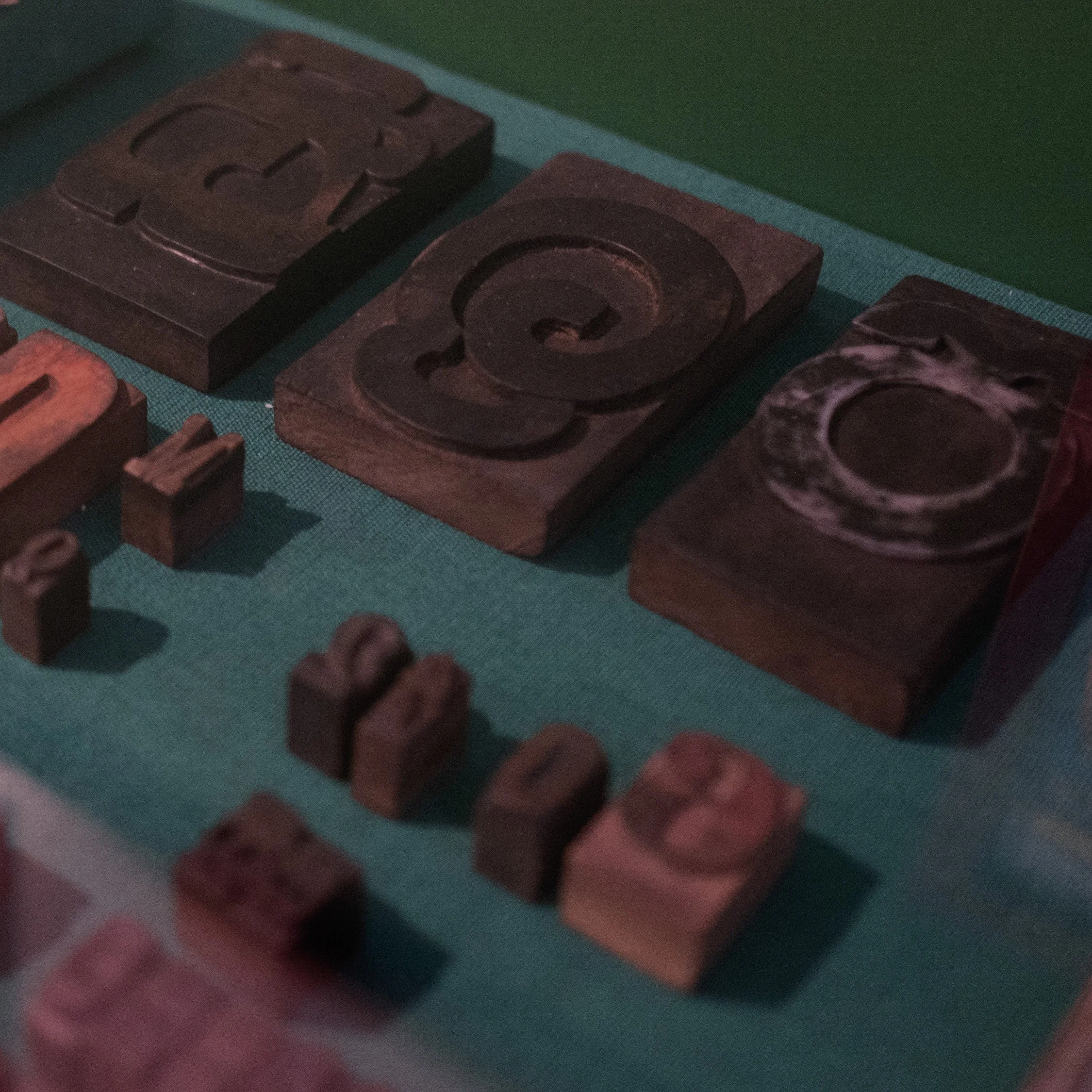
Wood Type Cleaning Day with Akuru Collective
Typography is more than creating and utilising different fonts; it encompasses culture, communication, and creativity. Led by members of the Akuru Collective, this workshop will introduce participants to the world of typography, with special focus on woodblocks and letterpress printing.
The Akuru Collective is a community that brings together people who are passionate about lettering, type design, visual communication, and the stories behind written forms. Participants will join the Akuru Collective at the W. A. Silva Museum for Language, Literature and Typography for a guided session on restoring Sinhala woodblock type and the art of letterpress printing.
Admission is free with prior registration.
Font Party: Releasing Three New Fonts
The Geoffrey Bawa Trust is pleased to host its very first font launch party!
The Mooniak team will be releasing three new fonts to the public and designers Janaka Attanayake, Pathum Egodawatta, and Rajitha Manamperi will talk about their work and the process behind font design.
This event is a unique opportunity for participants to meet and talk with type designers and purchase special release-day merchandise from Mooniak.
Admission is free with prior registration
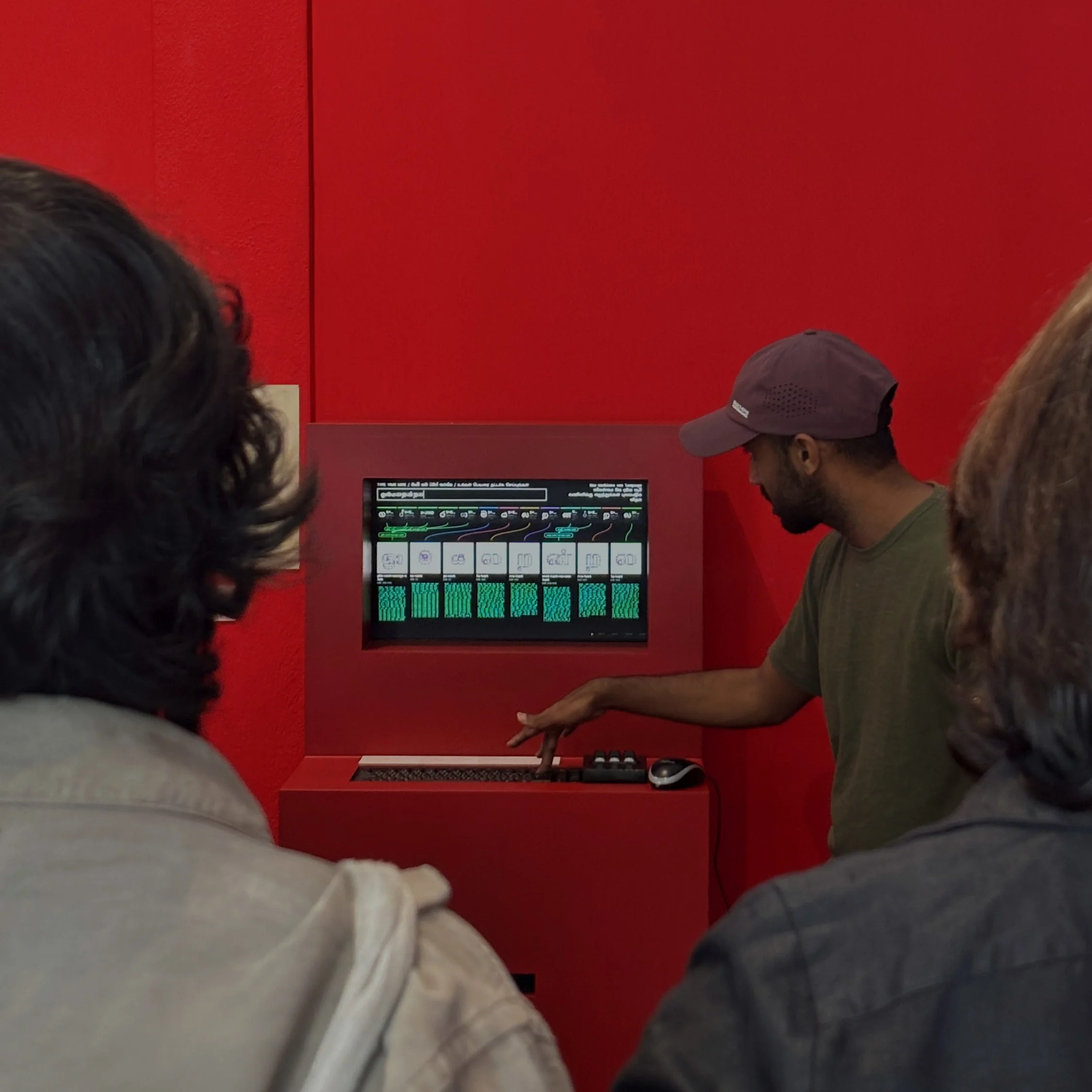
Exhibition tour with co-curator Pathum Egodawatta
Join Mooniak co-founder, type designer, exhibition co-curator Pathum Egodawatta for the first curatorial tour of the new Akurugraphy exhibition at the Bawa Space. Pathum will discuss how global platforms have become sites of cultural negotiation, where decisions about the legibility of language carry deep consequences for who is seen, who is heard, and whose language endures.
Pathum specializes in type and typography of South Asian scripts with a focus on Sinhala and Tamil scripts, and multilingual communications. He has a Masters in Typeface Design from the University of Reading and a Bachelors in Graphic Design from the Academy of Design (AOD).
Design Before Computers: Show and Tell with Ananda Jagoda and Pathum Egodawatta
Join Ananda Jagoda for an in-depth look at the world of graphic design prior to the widespread use of computers.
In conversation with Akurugraphy co-curator Pathum Egodawatta, Ananda Jagoda will discuss the realities of working in the graphic design field and the changes and developments in the industry over the past few decades, including the transition to an increasingly digital-first era.
Through a show-and-tell format, Ananda will present a fascinating selection of material from his personal collection, exploring the era of phototypesetting, paste-up artwork, and pre-digital design production. He will share how designers worked by hand before computers transformed the creative industry, and how he transitioned from traditional design techniques into the digital era, , eventually becoming the Chief Creative Officer at one of Sri Lanka’s leading annual report design and production agencies.
Ananda has extensive experience in photography, advertising, publishing, and creative strategy. He has also served as a judge for international award programs and is the author of the book Professional Photography.
This talk is part of the ongoing Akurugraphy exhibition at the Bawa Space, curated by the Colombo-based type foundry Mooniak.
From Font Files to Industry: Lessons from Emerging Type Communities in Thailand
Font files can appear quickly, but building a font industry involves shared understanding, professional value, practical goals, and long-term infrastructure. Join Bangkok-based designer and founder of Cadson Demak Studio Anuthin Wongsunkakon for an evening of discussion and insight on the font industry.
Specialising in typography and brand identity, Anuthin’s work spans custom typefaces, Thai adaptations of international type families, and typographic solutions for Southeast Asian scripts. Profiling case studies and lessons learned, Anuthin will map the three steps in meaningful font development: (i) building value; (ii) creating specificity; and (iii) enabling strategy.
This event is presented in collaboration with the Royal Thai Embassy in Colombo.
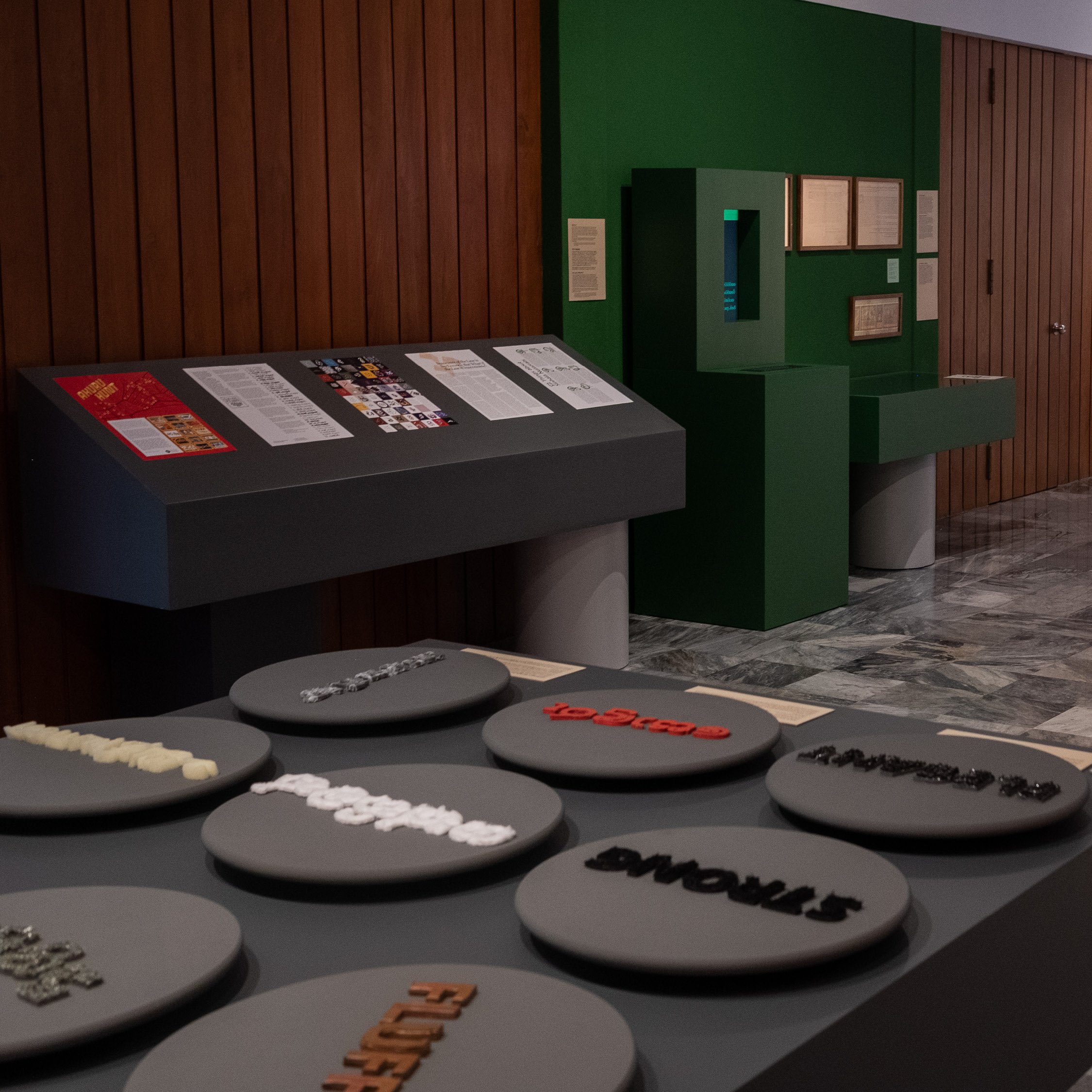
Exhibition Design Tour
Join members of the Geoffrey Bawa Trust curatorial team and exhibition designers, Thilini Perera and Ibraheem Wazil for a unique behind-the-scenes look at Akurugraphy, with a special focus on the exhibition's visual design and spatial layout explores how graphic design, typography, exhibition architecture, and interpretation come together to shape the visitor experience, offering insight into the curatorial and design decisions that informed the exhibition from concept to installation.
Admission is free with prior registration
Online Event: Letterform Archive Tour with Tanya George
Join type designer and educator Tanya George for a virtual tour of the Letterform Archive, a centre for inspiration, education, publishing, and community in graphic design based in San Francisco.
On this tour, Tanya will delve into graphic design history through Letterform Archive’s permanent collection. From medieval manuscripts to digital type, witness an inspiring range of human expression through design.
Letterform Archive’s virtual tours provide participants with special access to digitised items unavailable to the general public. It is also an opportunity to hear from a highly experienced independent typographer, and learn more about the Archive’s collection of over 100,000 items related to lettering, typography, calligraphy, and graphic design, spanning thousands of years of history.