
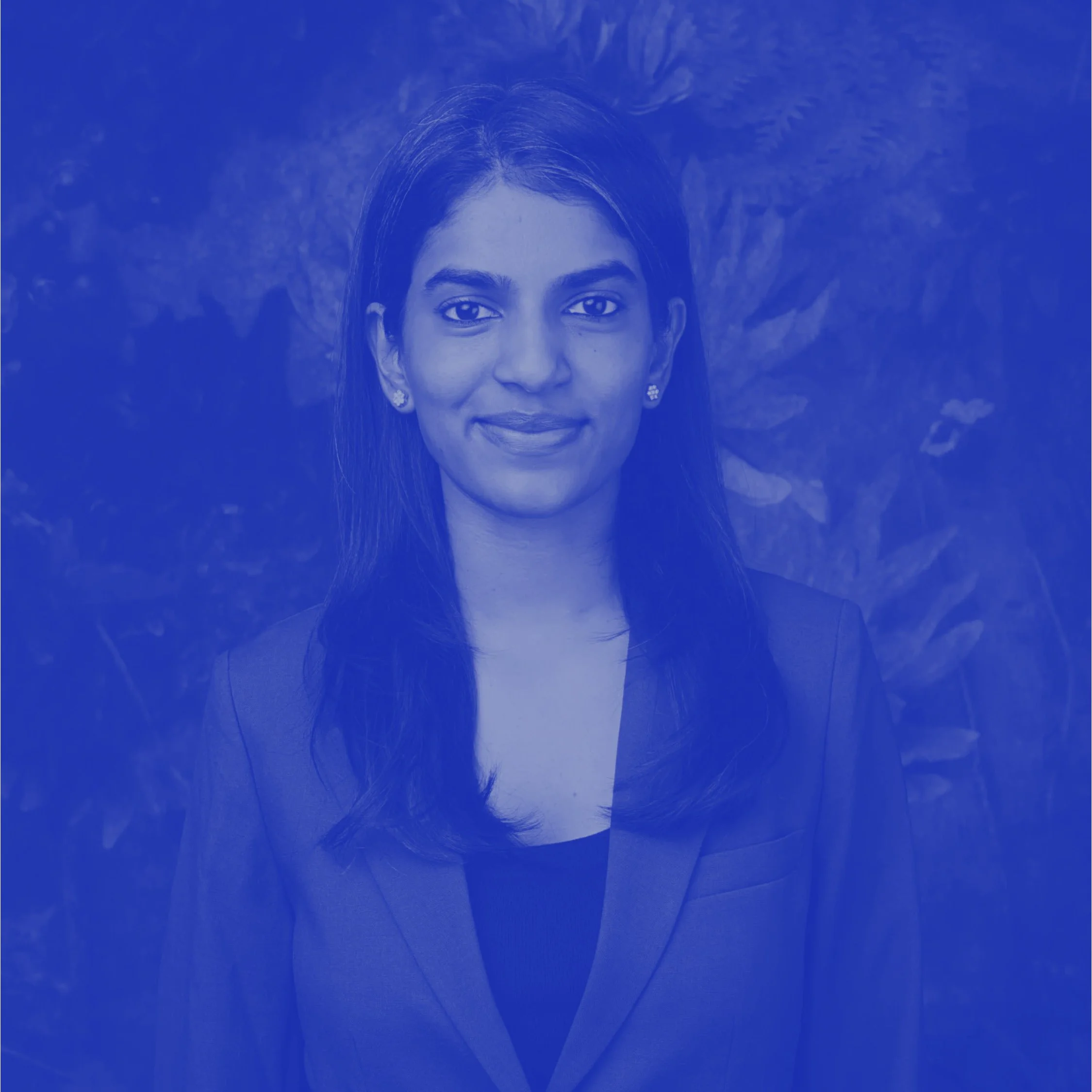
Benches, Barriers, and Belonging in Colombo  with Iromi Perera
Mar
6

Benches, Barriers, and Belonging in Colombo with Iromi Perera

Open House Colombo 2026 begins with an evening of thoughtful discussion and a celebration of Colombo’s urban environment at the Bawa Space in Colombo 07.

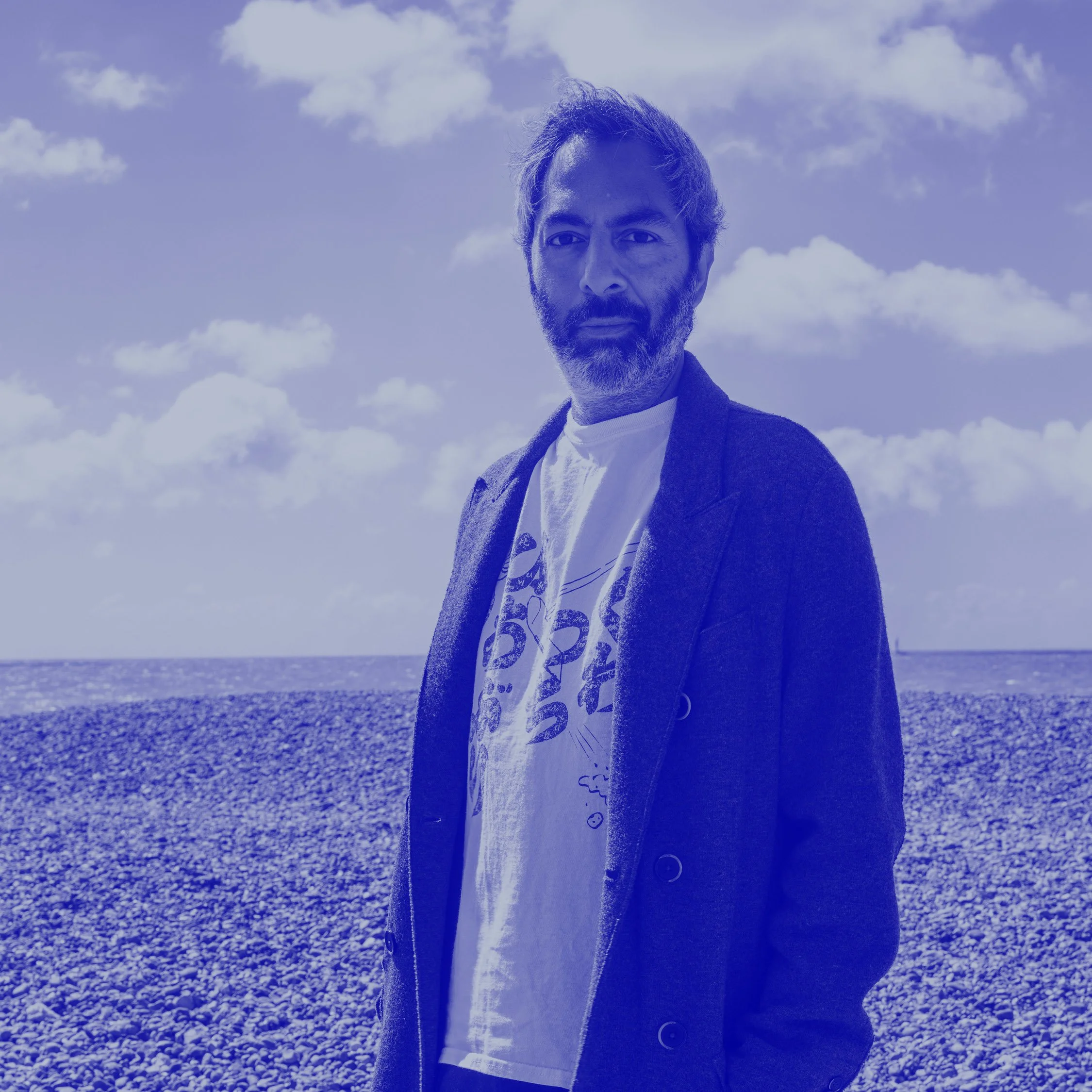
Join Iromi Perera, founder and director of Colombo Urban Lab, for a look at how cities are increasingly being impacted by city-making processes that don't consider or align with our natural environment. In Sri Lanka, public spaces are built and maintained with public funds, yet citizens remain users—not shapers—of these environments. Iromi will reflect on how deepening inequality and the climate crisis are reshaping urban life and leading to less inclusive urban planning, and on ways we can all contribute to creating more inclusive cities.   

Iromi’s talk will be followed by refreshments and conversation. The event is also an opportunity to meet and talk with the artists, architects, and creatives who are opening their spaces for the festival weekend.   

View Event →
Open House Colombo: Makers’ Spaces & Other Places I
Mar
7

Open House Colombo: Makers’ Spaces & Other Places I

Celebrate the city’s vibrant creative population this March at Open House Colombo. This year’s theme, Makers’ Spaces and Other Places, invites visitors to step into a range of architectural firms, artists' studios, and home-based practices rarely open to the public. 

Locations for Saturday 7 March 2026:

Maradana College of Technology, Maradana
Open Access: 10:30 – 12:00

Nåd Store, Colombo 07
Talk: 10:00 – 11:00
Open Access: 11:00 – 17:00

Clay Vibes Academy, Colombo 07
Open Access: 10:00 – 12:00
Open Access: 13:00 – 16:00

W A Silva Museum, Colombo 06
Open Access: 10:00 – 17:00
Tour: 11:00
Tour: 15:00

Park Studio, Colombo 05
Tour: 11:00 – 12:00

Tanya and Suren Wickremasinghe Architects, Borella
Tour: 13:30 – 14:30
Tour: 14:30 – 15:30

AMESH Studios, Mount Lavinia
Tour: 14:30 – 15:30
Tour: 16:00 – 17:00

PWA, Colombo 05
Tour: 16:00 – 17:00
Tour: 17:00 – 18:00

View Event →
Open House Colombo: Makers’ Spaces & Other Places I
Mar
8

Open House Colombo: Makers’ Spaces & Other Places I

Celebrate the city’s vibrant creative population this March at Open House Colombo. This year’s theme, Makers’ Spaces and Other Places, invites visitors to step into a range of architectural firms, artists' studios, and home-based practices rarely open to the public. 

Locations for Sunday, March 8 2028

ApiHappi, Nawala
Open Access: 10:00 – 17:00
Workshop: 10:00 – 12:00
Workshop: 14:00 – 16:00
Drum Circle: 15:00 onwards

Ivy Ceramics Studio, Borella
Open Access: 10:00 – 17:00
Tour: 12:30 – 13:00
Tour: 16:00 – 16:30

Clay Vibes Academy, Colombo 07
Open Access: 10:00 – 12:00
Open Access: 13:00 – 16:00

W A Silva Museum, Colombo 06
Open Access: 10:00 – 17:00
Tour: 11:00
Tour: 15:00

University of Visual and Performing Arts, Colombo 07
Tour (English): 11:00 – 12:00
Tour (Sinhala): 14:00 – 15:00

Park Studio, Colombo 05
Tour: 17:00 – 18:00

View Event →
Open House Colombo: Makers’ Spaces & Other Places II
Mar
14

Open House Colombo: Makers’ Spaces & Other Places II

Celebrate the city’s vibrant creative population this March at Open House Colombo. This year’s theme, Makers’ Spaces and Other Places, invites visitors to step into a range of architectural firms, artists' studios, and home-based practices rarely open to the public. 

Locations for Saturday, 14 March 2026

Wooden Gate (Channa Ekanayake), Ethul Kotte
Open Access: 9:00 – 17:00

Mount Studio, Maharagama
Tour: 10:00 – 11:00

MdS A Studio, Pitakotte
Open Access: 9:00 – 17:00

Artist Studio–Mahen Perera, Colombo 03
Tour: 15:00 – 16:00
Tour: 16:30 – 17:30

CoCA Arts, Borella
Tour: 14:30 – 16:00

View Event →
Kids Tour + Rain Stick Workshop
Mar
14

Kids Tour + Rain Stick Workshop

Don’t miss the final kids tour of the Ways of Knowing exhibition at the Geoffrey Bawa Space! 

This activity will include a kid-friendly look at some of the Ways of Knowing installations, followed by a craft activity in which participants can design and make their own rain stick (a homemade musical instrument that sounds like rain). 

On this tour, kids will explore the garden, contemplate colour, make noise, and maybe even discover the answers to some of life’s big questions, such as: what do our senses tell us and how do we know what we know?

This event is all about exploring spaces, using your senses, making noise, and having fun. 

The tour and activity will run for approximately one hour, and drinks and snacks will be provided. The activity is designed for children between five and ten years old with a parent, guardian, or carer. Younger and older siblings are welcome. 

View Event →
Open House Colombo: Makers’ Spaces & Other Places II
Mar
15

Open House Colombo: Makers’ Spaces & Other Places II

Celebrate the city’s vibrant creative population this March at Open House Colombo. This year’s theme, Makers’ Spaces and Other Places, invites visitors to step into a range of architectural firms, artists' studios, and home-based practices rarely open to the public. 

Locations for Sunday, 15 March 2026

Wooden Gate (Channa Ekanayake), Ethul Kotte
Open Access: 9:00 – 17:00

Studio Dwelling + Soul Studio (Palinda Kannangara), Rajagiriya
Tour: 9:30
Tour: 11:30
Tour: 15:00

Mount Studio, Maharagama
Tour: 10:00 – 11:00
Workshop: 12:30 – 14:00

Marie and Marisa Gnanaraj’s Studios, Nawala
Tour: 10:00 – 11:00
Tour: 11:30 – 12:30

CoCA Arts, Borella
Tour: 14:30 – 16:00

Local Maker, Nawala
Tour: 10:00 – 11:00
Tour: 11:00 – 12:00

View Event →
Ways of Knowing: Exhibition Tour
Mar
19

Ways of Knowing: Exhibition Tour

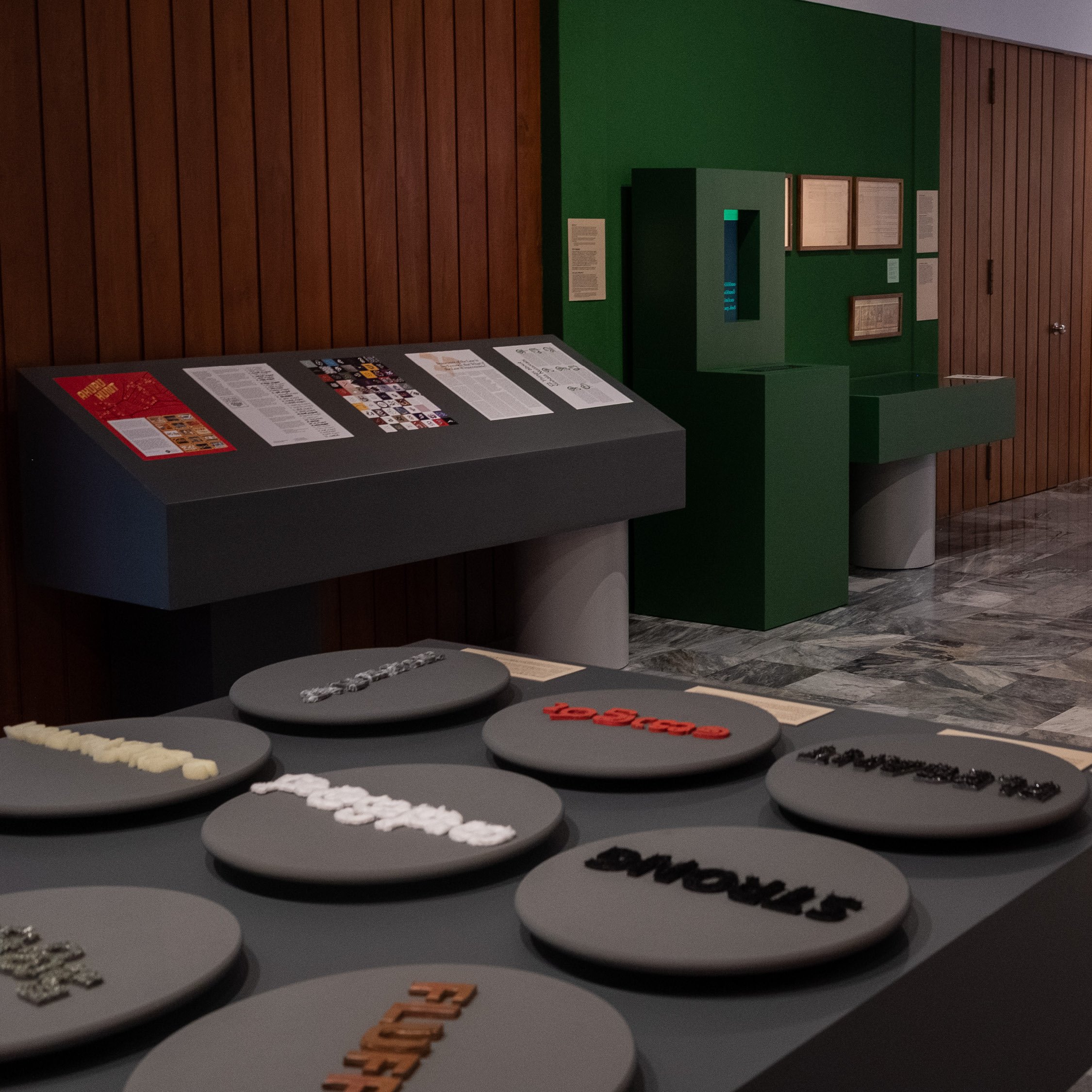
Ways of Knowing takes the Lunuganga garden as a starting point to explore how we sense, remember, and pass on knowledge — not just through sight, but through sound, touch, movement, and memory.

On this tour, you’ll encounter a rich mix of mediums — from virtual reality and film to textiles, seeds, maps, and oral traditions — and discover how artists Clara Kraft Isono, Barbara Sansoni, and Ruvin de Silva, alongside objects from the Geoffrey Bawa Collection, reimagine the ways we learn from the world around us.

View Event →
Open House Colombo: Makers’ Spaces & Other Places III
Mar
28

Open House Colombo: Makers’ Spaces & Other Places III

Celebrate the city’s vibrant creative population this March at Open House Colombo. This year’s theme, Makers’ Spaces and Other Places, invites visitors to step into a range of architectural firms, artists' studios, and home-based practices rarely open to the public. 

Locations for Saturday, 28 March 2026:

M47 Architects, Pitakotte
Open Access: 9:00 – 11:00
Open Access: 16:00 – 18:00

Lala Studio, Pannipitiya
Tour: 10:00 – 11:00
Tour: 14:00 – 15:00

The Living Gallery–Home of Dilsiri Welikala, Battaramulla
Tour: 11:30 – 12:30
Tour: 15:30 – 16:30

Studio 703 (Priyantha Udagedera), Kaduwela
Tour: 13:00 – 14:30

Vibhavi Academy of Fine Arts, Athurugiriya
Tour: 15:00 – 16:00

Mullegama Art Community (Pala Pothupitiye), Homagama
Tour: 9:00 – 10:00

Millennium Art Contemporary, Oruwala
Open Access: 10:30 – 17:00

Hema Shironi Joseph and Pradeep Thalawatte, Kaduwela
Tour: 10:30 – 11:30

JC Ratnayake Artist Retreat, Hokandara
Open Access: 16:00 – 19:00

View Event →
Open House Colombo: Makers’ Spaces & Other Places III
Mar
29

Open House Colombo: Makers’ Spaces & Other Places III

Celebrate the city’s vibrant creative population this March at Open House Colombo. This year’s theme, Makers’ Spaces and Other Places, invites visitors to step into a range of architectural firms, artists' studios, and home-based practices rarely open to the public. 

Locations for Sunday, 29 March 2026:

M47 Architects, Pitakotte
Open Access: 9:00 – 11:00

Lala Studio, Pannipitiya
Tour: 10:00 – 11:00
Tour: 14:00 – 15:00

îlot Colombo, Polgasowita
Workshop + Tour: 10:00 – 12:00

KWCA, Pelawatte
Tour: 10:00 – 11:00
Tour: 13:00 – 14:00
Tour: 15:00 – 16:00

The Living Gallery–Home of Dilsiri Welikala, Battaramulla
Tour: 11:30 – 12:30
Tour: 15:30 – 16:30

JC Ratnayake Artist Retreat, Hokandara
Open Access: 16:00 – 19:00

Mullegama Art Community, Homagama
Tour: 16:00 – 17:00

View Event →

‘Rewilding’ the Colonial Garden through Literature, Gardens and Botanical Memories
Feb
26

‘Rewilding’ the Colonial Garden through Literature, Gardens and Botanical Memories

What do we know about the home gardens of urban Ceylon, and how are these spaces remembered through literature and history? Drawing from the burgeoning field of plant humanities, this talk reads the literary gardens in Sri Lankan writing alongside those recorded by colonial travel writers to rethink the garden as a more-than-human space where memories, bodies, and biopolitics shape how it is imagined, perceived, and experienced. By situating the gardens within the larger organism of the city, the talk also invites us to experience them as spaces transformed by our changing relationships with both past and future urban life.

Pawan Wijesinghe is an educator and researcher whose work spans literature, cultural studies, and the environmental humanities. His research interrogates the representation of the body, animality, and ecology across diverse literary and visual cultures, with particular emphasis on interdisciplinary and premodern literary traditions.

View Event →
Restoring Heritage Landscapes: Gardening with Native Species in a Desert
Feb
24

Restoring Heritage Landscapes: Gardening with Native Species in a Desert

In February the Trust will host Somil Daga, ecological gardener and a native plant enthusiast, as part of an exchange facilitated by the International National Trusts Organisation. 

Somil’s presentation celebrates the idea of embracing the wilderness, creating sustainable landscapes in the face of climate change, and how habitats can be created for plants and animals in highly populated urban environments.

This talk will take you on a journey of restoring the wilderness of two heritage landscapes in the desert cities of Jodhpur and Nagaur in Rajasthan, India. During this talk, Somil will share his experiences working as Park Director at Rao Jodha Desert Rock Park in Jodhpur and the Project Director at Abha Mahal Bagh in Nagaur. 

This talk is part of the Intersectional Ecology talk series at the Geoffrey Bawa Space. Somil’s talk is supported by a grant from the International National Trusts Organisation.

View Event →
Ways of Knowing: Exhibition Tour
Feb
17

Ways of Knowing: Exhibition Tour

Ways of Knowing takes the Lunuganga garden as a starting point to explore how we sense, remember, and pass on knowledge — not just through sight, but through sound, touch, movement, and memory.

On this tour, you’ll encounter a rich mix of mediums — from virtual reality and film to textiles, seeds, maps, and oral traditions — and discover how artists Clara Kraft Isono, Barbara Sansoni, and Ruvin de Silva, alongside objects from the Geoffrey Bawa Collection, reimagine the ways we learn from the world around us.

View Event →
Ways to Love: Make your own Valen-zine
Feb
14

Ways to Love: Make your own Valen-zine

This workshop will explore the ways in which we love and show love to ourselves, to others, and to the world around us.  

Led by self-taught calligraphy artist Aisha Anver, this workshop will show participants how to design and make their own zine. As small, homemade booklets, zines offer the perfect medium for sharing and communicating love (or other emotions) and offer the maker artistic freedom to express themselves through words, drawings, or other chosen forms. 

This workshop is open to all ages.

View Event →
Talk: House to Art Center: Reinterpreting the Jim Thompson Legacy Across Time
Feb
13

Talk: House to Art Center: Reinterpreting the Jim Thompson Legacy Across Time

The Jim Thompson Arts Center in Bangkok is a four-story haven for all things creative, hosting some of the most exciting exhibitions, talks, workshops, and events in the city. 

American architect and OSS officer James H. W. Thompson was an influential cultural icon in Bangkok in the 1950s, known not only for reshaping Thailand’s silk industry, but also for his reassembly of traditional Thai houses and collection of art and antiques from Thailand and Asia.

Join Artistic Director  Gridthiya Gaweewong for a discussion how the Art Center—part of the Jim Thompson Heritage Quarter—builds on Thompson’s legacy to link historical memory with present artistic inquiry while opening speculative perspectives on future cultural imaginaries.

Gridthiya Gaweewong co-founded Project 304, an alternative space in Bangkok, from 1996 to 2002. She has curated numerous regional and international exhibitions across Asia, Europe and beyond. Gridthiya received the Audrey Irmas Award for Curatorial Excellence  in 2025, and she currently works as the Artistic Director of the Jim Thompson Art Center, Bangkok.

View Event →
Saturday Story Club for kids
Jan
31

Saturday Story Club for kids

Join our Saturday Story Club at the Bawa Space in Colombo 07.  Together we will read books, do a simple craft, and chat about how we know what we know. Book and craft themes will focus on art, architecture, and the environment. 

This event is part of our current Ways of Knowing exhibition, which looks at the different ways we learn about the world around us, and how we share our knowledge with other people.   

The Saturday Story Club is suitable for children between the ages of 3–6 years and their parents, guardians, and carers. Older and younger siblings are also welcome.

View Event →
Workshop: Imprints in Clay, a personalised tile making workshop
Jan
24

Workshop: Imprints in Clay, a personalised tile making workshop

Explore the varied textures and materiality of clay while crafting a personalised mosaic tile.

Ceramics are utilised regularly in daily life, yet the full diversity of this form is rarely experienced.  Join ceramicist Senali Cooray (Ivy Ceramics), for an exploration of clay’s varied forms—liquid, pliable, dry, brittle, crumbling, or dense—and discover how it can hold a memory of the hands or the tools that formed it. 

Participants are requested to bring items such as leaves, seeds, coins, or small items that hold personal meaning to imprint in the clay.  Finished tiles will be glazed and fired and available for collection from the Ivy Ceramic Studio or the Geoffrey Bawa Trust.

Senali Cooray transitioned into ceramics after studying and working in interior design. Her work is known for pushing the sculptural boundaries of ceramics, using its form and materiality to reflect the human experience and explore themes of childhood, memory, culture, and religion as a social construct.

View Event →
Walk: Gardens Stories–botanical myths and tales in Viharamahadevi Park
Jan
17

Walk: Gardens Stories–botanical myths and tales in Viharamahadevi Park

Do you know the story of the king who had the seasons as his gardeners? Or the tree who played witness to a divine wedding? Join Soham Kacker, the curator of living collections at Lunuganga for an evening stroll through Viharamahadevi Park for an exploration of plants and storytelling. 

Drawing on stories, myths and legends from across the subcontinent, this tour will reveal the layered and complex relationships between plants and people. We will explore how poets, authors, and narrators have viewed plants as symbols, metaphors, innuendos, and powerful beings, influencing the ways we know our surroundings and ourselves.

Meeting point: Viharamahadevi Park Buddha Statue by 4.20pm

View Event →
Kids Tour + Workshop: Make Your Mark
Jan
17

Kids Tour + Workshop: Make Your Mark

Explore design and stamp making through the Ways of Knowing exhibition at the Geoffrey Bawa Space! 

On this tour kids will design and craft their own stamps (made from potatoes!), and use them to share their feelings, knowledge, and views on their surroundings. The event will start with a brief look at our current Ways of Knowing exhibition, encouraging participants to look around them and ask some of life’s big questions,  such as: how do we know what we know?

Make Your Mark is all about asking questions, thinking about the world around you, and exploring how design and art can help us express our feelings, as well as what we know about the world around us.

The tour and activity will run for approximately one hour, and drinks and snacks will be provided. The activity is designed for children between five and ten years old with a parent, guardian, or carer. Younger and older siblings are welcome. 

View Event →
Ways of Knowing: Exhibition Tour
Jan
8

Ways of Knowing: Exhibition Tour

Ways of Knowing takes the Lunuganga garden as a starting point to explore how we sense, remember, and pass on knowledge — not just through sight, but through sound, touch, movement, and memory.

On this tour, you’ll encounter a rich mix of mediums — from virtual reality and film to textiles, seeds, maps, and oral traditions — and discover how artists Clara Kraft Isono, Barbara Sansoni, and Ruvin de Silva, alongside objects from the Geoffrey Bawa Collection, reimagine the ways we learn from the world around us.

View Event →
Ways of Knowing: Exhibition Tour
Dec
14

Ways of Knowing: Exhibition Tour

Ways of Knowing takes the Lunuganga garden as a starting point to explore how we sense, remember, and pass on knowledge — not just through sight, but through sound, touch, movement, and memory.

On this tour, you’ll encounter a rich mix of mediums — from virtual reality and film to textiles, seeds, maps, and oral traditions — and discover how artists Clara Kraft Isono, Barbara Sansoni, and Ruvin de Silva, alongside objects from the Geoffrey Bawa Collection, reimagine the ways we learn from the world around us.

View Event →
Material and Memory: Histories from Colonial Fragments in Contemporary Colombo with Pamudu Tennakoon
Dec
11

Material and Memory: Histories from Colonial Fragments in Contemporary Colombo with Pamudu Tennakoon

Join architectural and urban historian Pamudu Tennakoon for a discussion on how Colombo’s colonial architecture continues to influence negotiations of the city’s history.

The recent surge of interest and investment in colonial architecture in Colombo demonstrates that colonial architecture still provides the backdrop for negotiations of the city’s history. This talk closely explores the De Soysa building, a recently demolished shophouse complex in the neighborhood of Kompagngna Veediya. Refracting multiple historical narratives of this building (which now exists as rubble), this talk questions how people continue to occupy and relate to the material remnants of their colonial pasts. Ultimately, this work pushes against the discomfort present in allowing archival, oral, and artistic narratives alongside each other to underscore the importance of reconciling these histories.

Pamudu Tennakoon is an architectural and urban historian who holds a PhD in History of Art and Architecture and an MA in Anthropology from Brown University. In January, she will be joining the Colombo: Layered Histories in a Global South City project at Cambridge University as a Postdoctoral Research Fellow.

View Event →
Design Thai: Architecture of the Modern Movement in Thailand, 1960s –1980s With Pirasri Povatong
Dec
9

Design Thai: Architecture of the Modern Movement in Thailand, 1960s –1980s With Pirasri Povatong

Join Dr. Pirasri Povatong, Thai architectural historian, for an exploration of the legacy and preservation of modern architecture across Thailand. 

Following social and political transformation in the wake of World War Two, Thailand experienced significant industrialisation and urban renewal. Embracing the global modernism movement, leading Thai and international architects explored new ways of creating spaces and forms that embraced modern life in the Tropics, balancing the desire to be both modern, by international standards, with Thai traditional design.

In this lecture, Dr. Povatong will look at how many of these modern masterpieces have become obsolete functionally, economically, and structurally in today’s Thailand. Drawing from his research and teachings at Chulalongkorn University in Bangkok, he will also discuss how we can preserve memories of the vanishing creativity and complexity of modern Thai architectural design.

This lecture is the third in our Thai Architecture Programme.  In collaboration with the Royal Thai Embassy in Colombo, the Programme presents talks and workshops by Thai architects visiting Sri Lanka.

Pirasri Povatong, Ph.D., is an architectural historian specializing in architecture and urbanism of Thailand during the 19th and 20th centuries. After finishing his study at the University of Michigan, Ann Arbor, he has been teaching at the Faculty of Architecture, Chulalongkorn University, in Bangkok, conducting research on the development of modern architecture in Thailand, and the preservation of modern architectural heritage through archival materials, walking tours, and other public education programs.

View Event →
December Design Market
Dec
7

December Design Market

Join us at the De Saram House and ring in the festive season with the annual December Design Market.

Featuring a curated selection of stalls, visitors will have the opportunity to sample specialty coffee and locally made treats, shop for designer clothing, and pick up handcrafted gifts for friends and family.

Community-based craftsmanship and locally sourced materials were central to Geoffrey Bawa’s practice and the Trust honours the architect’s preference for working with local artisans. The Design Market collaborates closely with small and medium-sized enterprises to offer a selection of locally-based brands that support Sri Lankan artisans and their communities.

View Event →
Workshop: Designing Museums with architect Kulapat Yantrasast
Nov
28

Workshop: Designing Museums with architect Kulapat Yantrasast

Designing museums is not just building design, it is about creating public spaces and opportunities for social engagement with the arts. So how do we think through the architecture of museums? 

Join renowned architect Kulapat Yantrasast for a one hour workshop on the role and place of contemporary architecture in museum design. Yantrasast will guide participants through a holistic design approach that works with these important cultural centers; creating places that balance institutional histories with their future potential, and considers the surrounding environment and diverse audiences.

Yantrasast has acquired a reputation as one of the art world’s preeminent architects, and this workshop is an opportunity to learn from his experience and approach to designing genre-defying spaces which focus on the human impact of the arts.

View Event →
 Why Museums? with architect Kulapat Yantrasast
Nov
27

Why Museums? with architect Kulapat Yantrasast

Join renowned LA-based architect Kulapat Yantrasast for a discussion on the role of architecture and museum design in cultural placemaking in the 21st century. 

Museums are critical public spaces for community building and social engagement with the arts, and this event is a unique opportunity to hear from a global leader in contemporary architecture practice and museum design.

Yantrasast is known for his empathic approach to shaping public spaces, and through this lecture he will detail his distinct approach to “acupuncture architecture”.

Yantrasast has acquired a reputation as one of the art world’s preeminent architects, designing genre-defying spaces with a focus on the human impact of the arts. His interdisciplinary approach to architecture and design is inspired by his passion for food, ecology, and human society and he views each project as a mix of ingredients that yields its own unique recipe.

Born and raised in Bangkok Thailand, Yantrasat spent his early career in Japan, where he completed his architectural studies at the University of Tokyo and worked as a close associate to the Pritzker Prize Winning Architect Tadao Ando. In 2004 he founded the LA-based workshop WHY Architecture, a team of interdisciplinary architects, landscape architects, designers, and strategists committed to creating lasting connections between people, culture, and place.

This talk is the second in a series of architectural presentations and workshops by architects visiting Sri Lanka from Thailand. The Thai Architecture Programme is a collaboration between the Geoffrey Bawa Trust and Royal Thai Embassy in Colombo.

Kulapat Yantrasast is the Founder, Managing Principal, and Creative Director of WHY Architecture. Born in Bangkok, he received a M. Arch. and Ph.D. in Architecture from the University of Tokyo. Upon graduation, he worked for eight years as a close associate to the Pritzker Prize Winning Architect Tadao Ando, leading several important cultural projects in the United States and Europe, including The Modern Art Museum of Fort Worth.

Kulapat Yantrasast opened the WHY Architecture workshop in 2004 in Los Angeles, California. In 2007, Yantrasast led the design for the Grand Rapids Art Museum, the first LEED Gold certified museum in North America. The Grand Rapids Art Museum was WHY Architecture’s first ground-up museum project and catalyzed the next two-decades of work as a leader in the art and culture industry. In recent years, Yantrasast has acquired a reputation as one of the art world’s preeminent architects, designing genre-defying spaces with a focus on the human impact of the arts. 

His interdisciplinary approach to architecture and design is inspired by his passion for food, ecology, and human society and he views each project as a mix of ingredients that yields its own unique recipe. He is a frequent public speaker at leading institutions, and is the first architect to receive the Silpathorn Award from the Government of Thailand. Since 2005, he has served on the Artists’ Committee of the Americans for the Arts, the nation’s oldest organization for support of the arts in society. Yantrasast is currently a board member of the Pulitzer Arts Foundation, and the Noguchi Museum in New York. 

Recent major museum and cultural projects include The Department of Byzantine & Eastern Christian Art and The Roman Antiquities trail at the Louvre, The Michael C. Rockefeller Wing at The Metropolitan Museum of Art, Dib Contemporary Art Center in Bangkok, ilmi Science Discovery & Innovation Center in Riyadh, The Northwest Coast Hall at the American Museum of Natural History, an expansion of the Asian Art Museum in San Francisco, The Academy Museum of Motion Picture Arts & Sciences in Los Angeles, The Art Institute of Chicago, Harvard Art Museums, East Palo Alto Center for the Arts, and the Ross Pavilion and West Princes Street Gardens in Edinburgh, Scotland, and The Yoshimoto Pavilion for Expo 2025 Osaka, Kansai, Japan.

View Event →
Ways of Knowing: Saturday Story Club for kids
Nov
15

Ways of Knowing: Saturday Story Club for kids

Join our Saturday Story Club at the Bawa Space.  Together we will read books, do a simple craft, and chat about how we know what we know. Book and craft themes will focus on art, architecture, and the environment. 

This event is part of our current Ways of Knowing exhibition, which looks at the different ways we learn about the world around us, and how we share our knowledge with other people.   

The Saturday Story Club is suitable for children between the ages of 3–6 years and their parents, guardians, and carers. Older and younger siblings are also welcome.

View Event →
Ways of Knowing: Exhibition Tour
Nov
13

Ways of Knowing: Exhibition Tour

Ways of Knowing takes the Lunuganga garden as a starting point to explore how we sense, remember, and pass on knowledge — not just through sight, but through sound, touch, movement, and memory.

On this tour, you’ll encounter a rich mix of mediums — from virtual reality and film to textiles, seeds, maps, and oral traditions — and discover how artists Clara Kraft Isono, Barbara Sansoni, and Ruvin de Silva, alongside objects from the Geoffrey Bawa Collection, reimagine the ways we learn from the world around us.

View Event →
Indigenous and Traditional Knowledge for Regenerative Futures
Nov
4

Indigenous and Traditional Knowledge for Regenerative Futures

A regenerative future envisions thriving ecosystems and healthy communities that enrich the natural environment while recognizing humanity’s strong social, cultural and economic reliance on nature.  

In this talk, botanist and ecological restoration expert Thilanka Gunaratne will explore how indigenous and traditional knowledge systems can offer valuable lessons for natural resource management practices that balance environmental conservation while also supporting livelihoods and economic development. 

Indigenous and local communities hold deep ecological wisdom that can help to build a regenerative future. Refined over generations, traditional knowledge has maintained healthy, regenerative landscapes through the sustainable use and management of natural resources.  However, one of the greatest challenges lies in the documentation and preservation of this knowledge, much of which is rapidly being lost. 

Building a regenerative future will require the recognition and integration of indigenous and traditional knowledge systems across communities, to build strong, inclusive governance systems and management strategies that respond and adapt to local ecological, social, and economic needs.

Thilanka Gunaratne is a restoration ecologist and Professor of Botany at the University of Peradeniya, Sri Lanka. She holds a Ph.D. in Plant Sciences from the University of Aberdeen, where her research examined barriers to forest succession in the man-made grasslands of the Knuckles Forest Reserve. At Peradeniya, she leads the Restoration Ecology Group and has directed major projects on forest recovery in the Knuckles Conservation Forest and Hantana Mountain Range. Her coordination of a project to restore lower montane forests in the Knuckles Conservation Area earned a national CSR Sustainability Gold Award in 2018. Through long-term research on seed biology, forest regeneration, and applied restoration practices, engaging local communities in conservation, she aims to create innovative platforms that advance environmental education, research, and outreach, fostering environmental conservation for a regenerative earth.

View Event →
Ways of Knowing: Exhibition Tour
Nov
2

Ways of Knowing: Exhibition Tour

Ways of Knowing takes the Lunuganga garden as a starting point to explore how we sense, remember, and pass on knowledge — not just through sight, but through sound, touch, movement, and memory.

On this tour, you’ll encounter a rich mix of mediums — from virtual reality and film to textiles, seeds, maps, and oral traditions — and discover how artists Clara Kraft Isono, Barbara Sansoni, and Ruvin de Silva, alongside objects from the Geoffrey Bawa Collection, reimagine the ways we learn from the world around us.

View Event →
Tropical Intelligence Workshop: A Parliament of Objects with Architect Rachaporn Choochuey
Oct
25

Tropical Intelligence Workshop: A Parliament of Objects with Architect Rachaporn Choochuey

This workshop is a simple investigation into the design wisdom hidden in plain sight. We believe intelligence is embedded in the humble objects we use every day to live skillfully in the tropics. We will gather these objects to form a Parliament of Objects, allowing them to “speak” and share their secrets.

Our goal is not only to uncover vernacular logic but to critically test how it can migrate into contemporary architecture. We will consider not just the successes of these objects, but also their limits, contradictions, and failures in the face of modern life.

In this workshop, participants will bring a chosen item into a Parliament of Objects. Each participant will share a small, everyday object that helps humans adapt to life in the tropics, and as a group, the workshop will map their principles and critically debate their relevance to architecture now.

PRE-WORKSHOP TASK: BRING ONE OBJECT
Your only task is to find and bring one everyday object of 'climate craft.'
-     It should be an item that helps you, your family, or your community deal with heat, sun, humidity, or rain.
-     It should be simple, common, and easy to carry. The most “obvious” objects are often the most profound.
-     No need to prepare a written text. Just be ready to tell its story.

Bangkok-based architect Rachaporn Choochuey is the co-founder of all(zone), a studio exploring a contemporary Asian vernacular. Her work offers not rigid solutions, but joyful invitations: light, adaptable spaces designed for living well with intense climatic and urban pressures. She teaches alongside her practice at institutions including Chulalongkorn, Yale, and Columbia GSAPP.


View Event →
Practicing Tropicality, Planetary Site with Architect Rachaporn Choochuey
Oct
24

Practicing Tropicality, Planetary Site with Architect Rachaporn Choochuey

The talk explores a design practice rooted in the permissive, improvisational conditions of Bangkok, now extending across regions shaped by heat, resourcefulness, and flux. Through collaborative experimentation, all(zone) creates light, adaptable architectures that emerge from tropical realities—not as exotic exceptions, but as vital tools for living well amid planetary change. Here, tropicality is understood not only as a climate condition, but as a way of life—improvised, porous, collective, and always responsive. It is a mode of building that embraces the cycles of materiality, working with what is available, renewable, and often overlooked, to create spaces that breathe, shade, and transform over time. These architectures offer lessons rooted in Southeast Asia, yet shaped by—and addressed to—a planetary site where futures are already taking form.

This lecture is the first in a series of presentations and workshops by architects visiting Sri Lanka from Thailand. The Thai Architecture Programme is a collaboration between the Geoffrey Bawa Trust and Royal Thai Embassy in Colombo.

Rachaporn Choochuey is a Bangkok-based architect whose work responds to the evolving challenges and possibilities of life in tropical megacities. In 2009, she co-founded all(zone), a design studio built on close collaboration and continuous experimentation. Drawing from Bangkok’s uniquely informal and improvisational character, the studio explores a contemporary vernacular—not through nostalgic replication, but through material resourcefulness, social lightness, and a distinct sense of play.

Her practice investigates how architecture can remain light, adaptable, and resilient in the face of heat, humidity, and rapid urban change. She frames Southeast Asia as a critical planetary site—a living context where strategies for a warming and interconnected world are already being tested. Through architecture, she offers not solutions, but invitations: ways to live well with change, through design that is soft, porous, and joyful.

This design inquiry is grounded in deep academic engagement. Rachaporn taught for two decades at Chulalongkorn University and has held visiting positions at institutions including the Yale School of Architecture and Columbia GSAPP. She received her Ph.D. from the University of Tokyo and her M.S.AAD. from Columbia University.

View Event →
Colour Power Workshop with Barefoot Design team
Oct
18

Colour Power Workshop with Barefoot Design team

LKR 3000/- per person
Purchasing a ticket secures your place in the workshop

(Scholarships are available, please email info@geoffreybawa.org)
Workshop materials and refreshments will be provided.
For ages 15 and up

Discover the power of colour through fabrics and yarn. Join Nelun Harasgama, Sophia Sansoni, and Vidurangi Gunarathne from the Barefoot design team for a hands-on workshop exploring how colours shift and transform in relation to their surroundings.

Workshop participants are asked to bring a photograph of a landscape that inspires a mood, memory or place. The story of this photograph will then be translated into a unique colour palette and patchwork map created from colored fabric swatches. The result will be a personalized geometric interpretation of a place or memory. 

This workshop is inspired by Barabara Sansoni’s Araliya and Sky reddha (tapestry), currently on display at the Ways of Knowing exhibition at the Bawa Space. 

View Event →
Ways of Knowing: Exhibition Tour
Oct
16

Ways of Knowing: Exhibition Tour

Ways of Knowing takes the Lunuganga garden as a starting point to explore how we sense, remember, and pass on knowledge — not just through sight, but through sound, touch, movement, and memory.

On this tour, you’ll encounter a rich mix of mediums — from virtual reality and film to textiles, seeds, maps, and oral traditions — and discover how artists Clara Kraft Isono, Barbara Sansoni, and Ruvin de Silva, alongside objects from the Geoffrey Bawa Collection, reimagine the ways we learn from the world around us.

Register here

View Event →
Mapping with Thread workshop with Shenuka Corea
Oct
11

Mapping with Thread workshop with Shenuka Corea

In celebration of the opening of the Bawa Design Store, visual storyteller, illustrator and animator Shenuka Correa, will be leading a morning of stitching and socialising at the Bawa Space on Horton Place. Participants will have the opportunity to embroider their own designs onto one of the Trust’s limited edition Lunuganga map t-shirts. 

The Mapping with Thread workshop will include a lesson in embroidery as well as refreshments and a take home souvenir t-shirt. 

Shenuka Corea is a visual storyteller, illustrator and animator from Colombo. She incorporates fiber arts into her practice in the forms of embroidery and crochet. Shenuka's practice focuses on storytelling, drawing inspiration from the environment, history, fantasy and imagination.

View Event →
Treasure Hunt! 'Ways of Knowing' Children’s Tour
Sep
27

Treasure Hunt! 'Ways of Knowing' Children’s Tour

Join us for a treasure hunt through the Ways of Knowing exhibition at the Geoffrey Bawa Space!

On this tour kids will hide treasure, make maps, and maybe even discover the answers to some of life’s big questions, such as: how do we know what we know?

This event is all about exploring x, thinking about your surroundings, asking questions, and sharing knowledge.

The tour and activity will run for approximately one hour, and drinks and snacks will be provided. The activity is designed for children between five and ten years old with a parent, guardian, or carer. Younger and older siblings are welcome.

Register Here

View Event →
Poetry Open Mic Night:  Learning from Nature
Sep
19

Poetry Open Mic Night: Learning from Nature

Join us for an evening of poetry, lyrical music, and flash fiction inspired by how humans interact with the natural world, and what nature can teach us about ourselves. 

Share your own work, or feel free to just come along and listen. This is a fun, casual event where everyone is welcome and no experience is necessary.

Readings are capped at seven minutes and time slots are limited so sign up as soon as possible if you would like to present. We welcome work in any language and you do not need to submit your piece in advance.  

Participant registration: 0762439508 (Whatsapp)
Audience registration: poetry-open-mic.eventbrite.com

This event is co-hosted by The Geoffrey Bawa Trust and Island Poetry Exchange.

View Event →
Walk: (re)discovering the botanical knowledge of Viharamahadevi Park
Sep
13

Walk: (re)discovering the botanical knowledge of Viharamahadevi Park

Join our Curator of Living Collections, Soham Kacker, for an evening stroll and conversation through Viharamahadevi Park.

Throughout the walk, Soham will introduce participants to the botanical, historical, and cultural stories of many of the species at home in Viharamahadevi Park. Bringing new perspectives on how we see and understand the Park’s flora, the walk pays tribute to the common trees and plants often overlooked or taken for granted in our busy urban lives.

Meeting point: Viharamahadevi Park Buddha Statue by 4.50pm

This walk is part of our Ways of Knowing exhibition currently on show at the Bawa Space in Colombo. Through the lens of Geoffrey Bawa’s Lunuganga garden, Ways of Knowing uses different sensory experiences to look at how we learn, store, and share information.

Register here

View Event →
Exploring Nature-Led Design: how living systems can  shape architecture With Gimha Munasinghe
Sep
4

Exploring Nature-Led Design: how living systems can shape architecture With Gimha Munasinghe

Living systems such as plants and fungi possess innate biological intelligence. Their growth and development is both an expression of their need to survive and reproduce, as well as an organic reflection of the surrounding environment.

This talk explores how life forms, such as mycelium (the root system of fungi), can offer us new ways of understanding architectural designs, and how this biological knowledge could help to co-design architectural spaces.

Drawing from her experimental research on mycelium, as well experience as an architect and sculpture artist, Gimha Munasinghe will discuss what we can learn by embracing the aesthetics and uncertainties of integrating living systems into architecture. She will also look at how these living systems can offer alternatives to conventional form giving design methods, and embrace a more organic form finding process.

Gimha Munasinghe is a Chartered Architect, sculpture artist, and an independent researcher in material ecology. She envisions the future of architecture in biological systems, exploring the integration of living organisms into design and seeking to transcend boundaries between architecture, biology, and art through experimental practice.

Register here

View Event →
Architectures of Seeing: Visualizing Space, Telling Stories with Dr. Clara Kraft Isono
Jul
31

Architectures of Seeing: Visualizing Space, Telling Stories with Dr. Clara Kraft Isono

Join award-winning filmmaker, architect, and academic Dr Clara Kraft Isono for a workshop on how optical technologies—from early film cameras to contemporary tools like LiDAR and 3D modeling—have transformed the way we perceive, represent, and design space. 

Focusing on the interplay between narrative and spatial experience, the session examines how emerging visualization tools enable architects to move beyond static representation, using digital media to construct immersive spatial stories and rethink design processes. Participants are required to bring a mobile phone with a functioning camera.

Dr Kraft Isono’s latest project, Garden as a Cloud, on view as part of the Ways of Knowing exhibition from August 2nd, 2025.

Admission is free, but spaces are limited. 
Register here

View Event →