
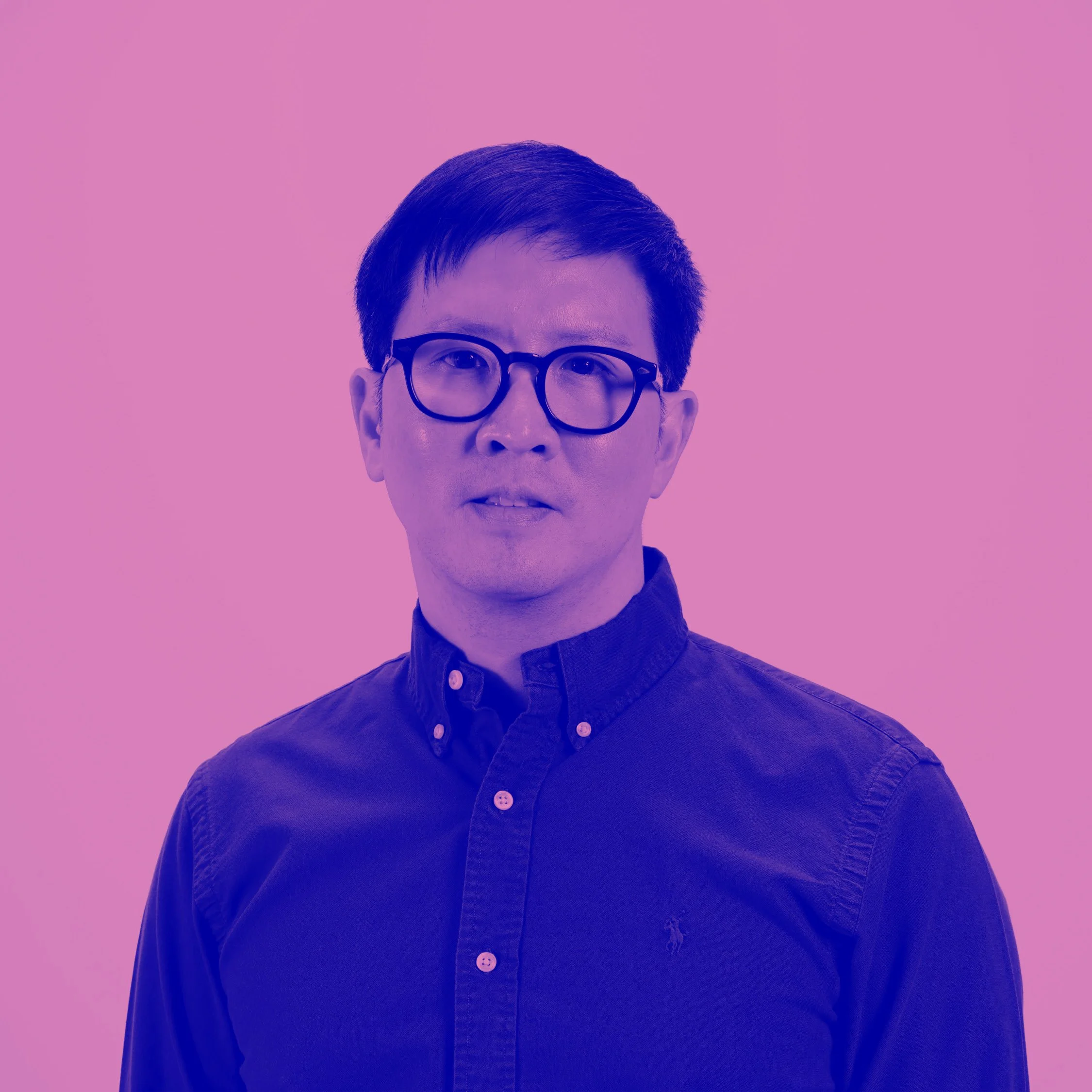
From Font Files to Industry: Lessons from Emerging Type Communities in Thailand
Font files can appear quickly, but building a font industry involves shared understanding, professional value, practical goals, and long-term infrastructure. Join Bangkok-based designer and founder of Cadson Demak Studio Anuthin Wongsunkakon for an evening of discussion and insight on the font industry.
Specialising in typography and brand identity, Anuthin’s work spans custom typefaces, Thai adaptations of international type families, and typographic solutions for Southeast Asian scripts. Profiling case studies and lessons learned, Anuthin will map the three steps in meaningful font development: (i) building value; (ii) creating specificity; and (iii) enabling strategy.
This event is presented in collaboration with the Royal Thai Embassy in Colombo.
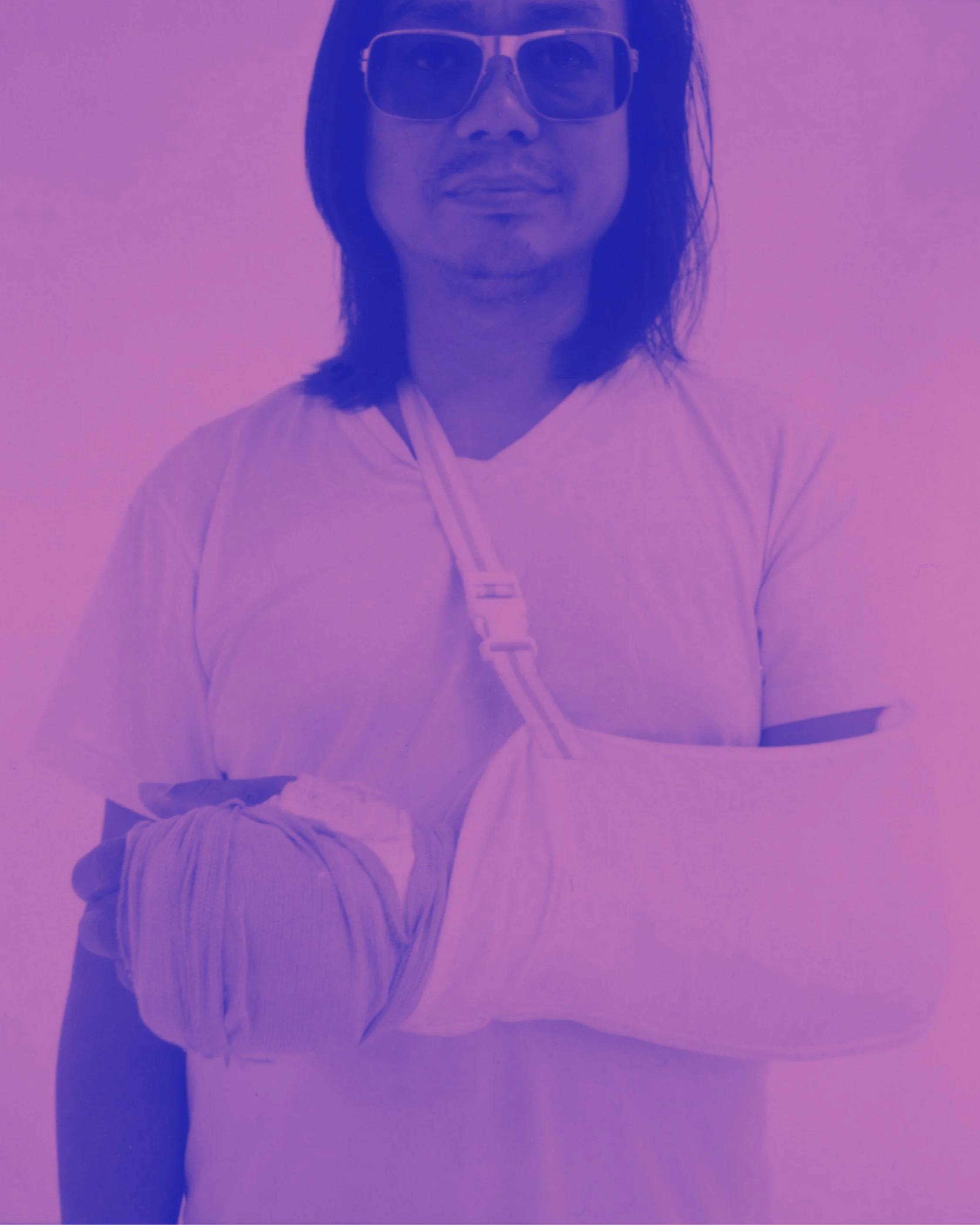
The Tower of Slowness with Rirkrit Tiravanija
Following a panel organised by Hans Ulrich Obrist at the Venice Biennale, Rirkrit continues to think about how people constitute architecture: through using, inhabiting, and moving through space; by spending time, associating, and simply being in it. Rirkrit will introduce these ideas through a presentation of his past and present work.
This event is presented in collaboration with the Royal Thai Embassy in Colombo.
Image: Courtesy of the artist. Photo: Anette Aurell.
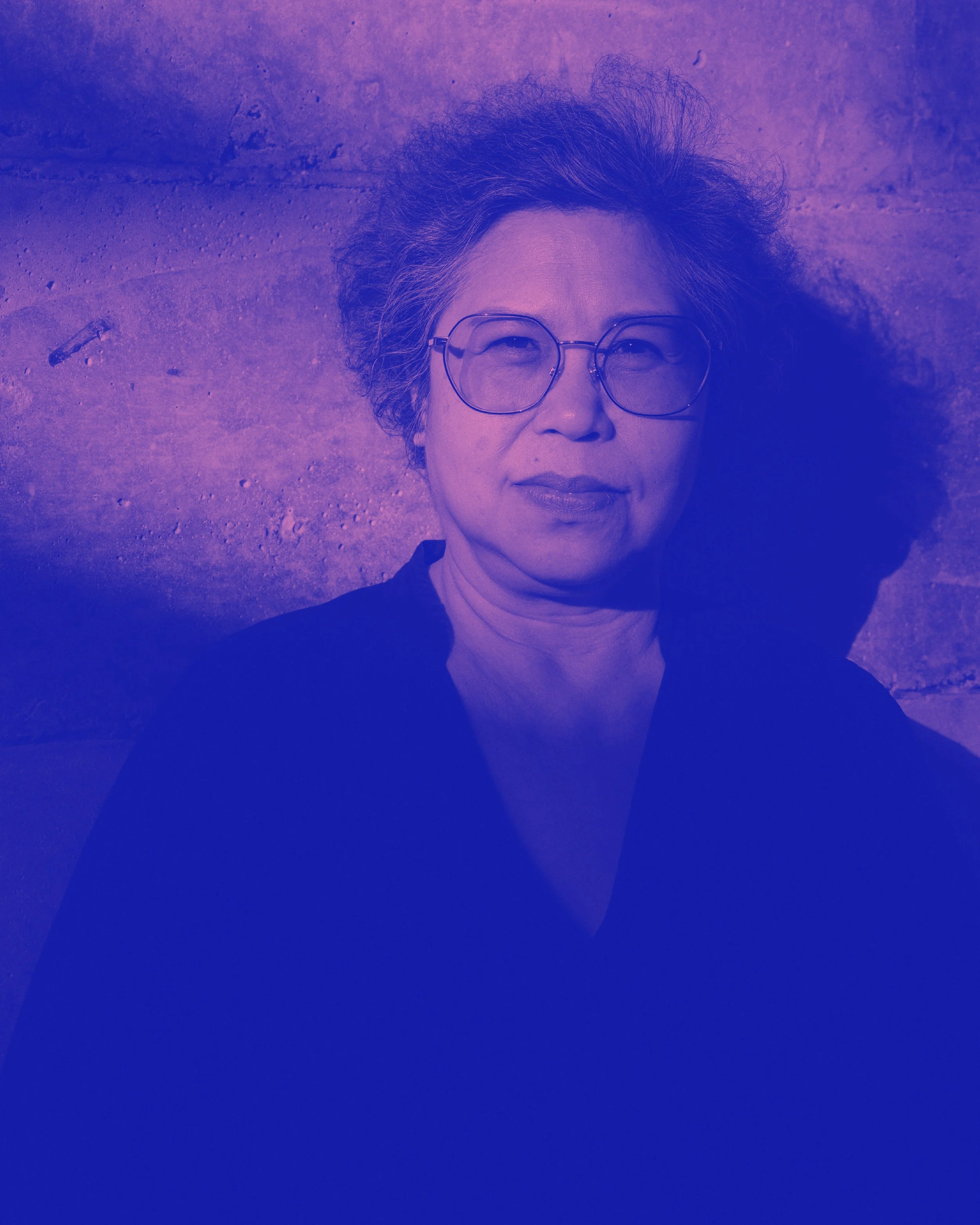
Talk: House to Art Center: Reinterpreting the Jim Thompson Legacy Across Time
The Jim Thompson Arts Center in Bangkok is a four-story haven for all things creative, hosting some of the most exciting exhibitions, talks, workshops, and events in the city.
American architect and OSS officer James H. W. Thompson was an influential cultural icon in Bangkok in the 1950s, known not only for reshaping Thailand’s silk industry, but also for his reassembly of traditional Thai houses and collection of art and antiques from Thailand and Asia.
Join Artistic Director Gridthiya Gaweewong for a discussion how the Art Center—part of the Jim Thompson Heritage Quarter—builds on Thompson’s legacy to link historical memory with present artistic inquiry while opening speculative perspectives on future cultural imaginaries.
Gridthiya Gaweewong co-founded Project 304, an alternative space in Bangkok, from 1996 to 2002. She has curated numerous regional and international exhibitions across Asia, Europe and beyond. Gridthiya received the Audrey Irmas Award for Curatorial Excellence in 2025, and she currently works as the Artistic Director of the Jim Thompson Art Center, Bangkok.
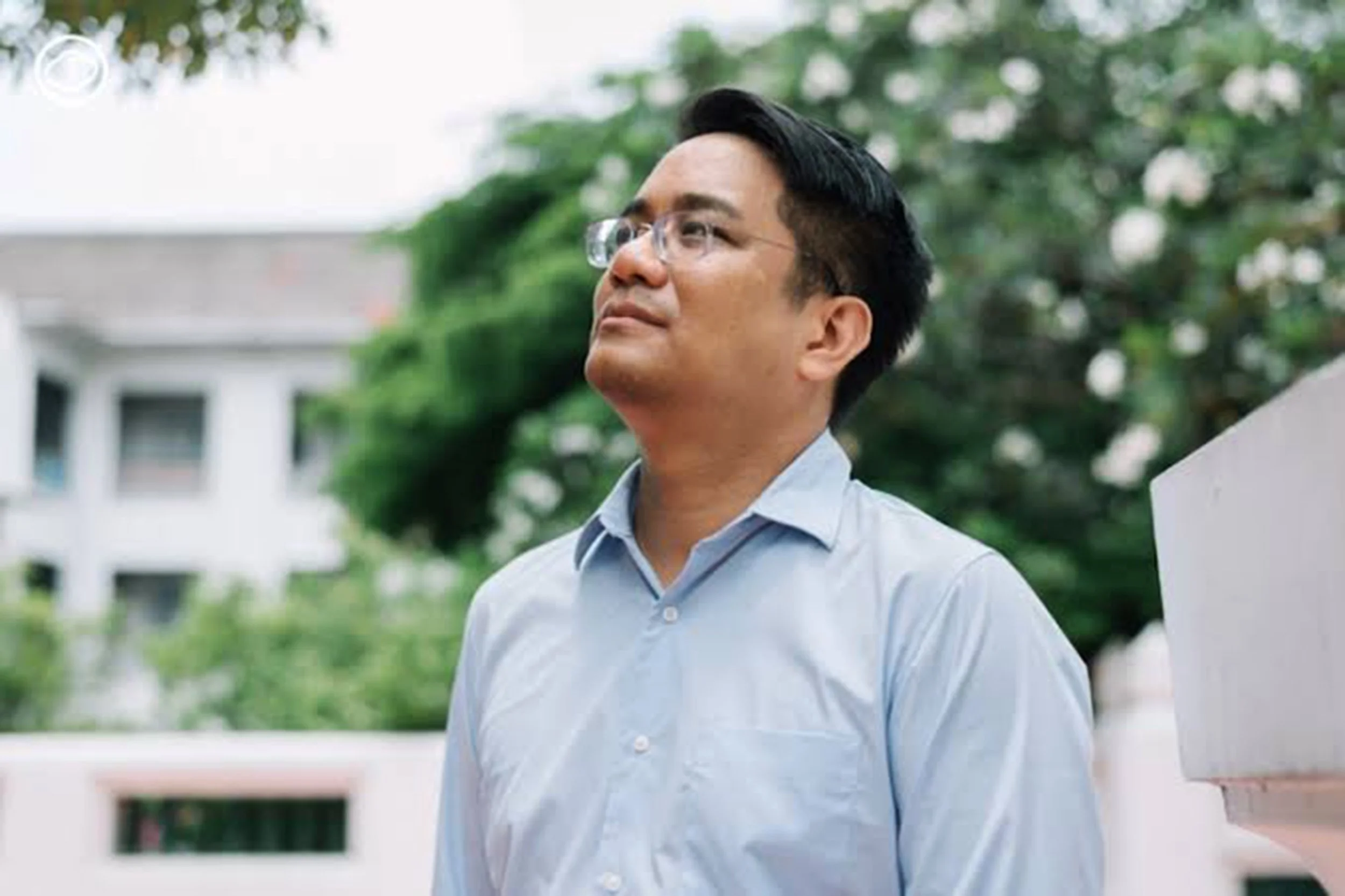
Design Thai: Architecture of the Modern Movement in Thailand, 1960s –1980s With Pirasri Povatong
Join Dr. Pirasri Povatong, Thai architectural historian, for an exploration of the legacy and preservation of modern architecture across Thailand.
Following social and political transformation in the wake of World War Two, Thailand experienced significant industrialisation and urban renewal. Embracing the global modernism movement, leading Thai and international architects explored new ways of creating spaces and forms that embraced modern life in the Tropics, balancing the desire to be both modern, by international standards, with Thai traditional design.
In this lecture, Dr. Povatong will look at how many of these modern masterpieces have become obsolete functionally, economically, and structurally in today’s Thailand. Drawing from his research and teachings at Chulalongkorn University in Bangkok, he will also discuss how we can preserve memories of the vanishing creativity and complexity of modern Thai architectural design.
This lecture is the third in our Thai Architecture Programme. In collaboration with the Royal Thai Embassy in Colombo, the Programme presents talks and workshops by Thai architects visiting Sri Lanka.
Pirasri Povatong, Ph.D., is an architectural historian specializing in architecture and urbanism of Thailand during the 19th and 20th centuries. After finishing his study at the University of Michigan, Ann Arbor, he has been teaching at the Faculty of Architecture, Chulalongkorn University, in Bangkok, conducting research on the development of modern architecture in Thailand, and the preservation of modern architectural heritage through archival materials, walking tours, and other public education programs.

Workshop: Designing Museums with architect Kulapat Yantrasast
Designing museums is not just building design, it is about creating public spaces and opportunities for social engagement with the arts. So how do we think through the architecture of museums?
Join renowned architect Kulapat Yantrasast for a one hour workshop on the role and place of contemporary architecture in museum design. Yantrasast will guide participants through a holistic design approach that works with these important cultural centers; creating places that balance institutional histories with their future potential, and considers the surrounding environment and diverse audiences.
Yantrasast has acquired a reputation as one of the art world’s preeminent architects, and this workshop is an opportunity to learn from his experience and approach to designing genre-defying spaces which focus on the human impact of the arts.

Why Museums? with architect Kulapat Yantrasast
Join renowned LA-based architect Kulapat Yantrasast for a discussion on the role of architecture and museum design in cultural placemaking in the 21st century.
Museums are critical public spaces for community building and social engagement with the arts, and this event is a unique opportunity to hear from a global leader in contemporary architecture practice and museum design.
Yantrasast is known for his empathic approach to shaping public spaces, and through this lecture he will detail his distinct approach to “acupuncture architecture”.
Yantrasast has acquired a reputation as one of the art world’s preeminent architects, designing genre-defying spaces with a focus on the human impact of the arts. His interdisciplinary approach to architecture and design is inspired by his passion for food, ecology, and human society and he views each project as a mix of ingredients that yields its own unique recipe.
Born and raised in Bangkok Thailand, Yantrasat spent his early career in Japan, where he completed his architectural studies at the University of Tokyo and worked as a close associate to the Pritzker Prize Winning Architect Tadao Ando. In 2004 he founded the LA-based workshop WHY Architecture, a team of interdisciplinary architects, landscape architects, designers, and strategists committed to creating lasting connections between people, culture, and place.
This talk is the second in a series of architectural presentations and workshops by architects visiting Sri Lanka from Thailand. The Thai Architecture Programme is a collaboration between the Geoffrey Bawa Trust and Royal Thai Embassy in Colombo.
Kulapat Yantrasast is the Founder, Managing Principal, and Creative Director of WHY Architecture. Born in Bangkok, he received a M. Arch. and Ph.D. in Architecture from the University of Tokyo. Upon graduation, he worked for eight years as a close associate to the Pritzker Prize Winning Architect Tadao Ando, leading several important cultural projects in the United States and Europe, including The Modern Art Museum of Fort Worth.
Kulapat Yantrasast opened the WHY Architecture workshop in 2004 in Los Angeles, California. In 2007, Yantrasast led the design for the Grand Rapids Art Museum, the first LEED Gold certified museum in North America. The Grand Rapids Art Museum was WHY Architecture’s first ground-up museum project and catalyzed the next two-decades of work as a leader in the art and culture industry. In recent years, Yantrasast has acquired a reputation as one of the art world’s preeminent architects, designing genre-defying spaces with a focus on the human impact of the arts.
His interdisciplinary approach to architecture and design is inspired by his passion for food, ecology, and human society and he views each project as a mix of ingredients that yields its own unique recipe. He is a frequent public speaker at leading institutions, and is the first architect to receive the Silpathorn Award from the Government of Thailand. Since 2005, he has served on the Artists’ Committee of the Americans for the Arts, the nation’s oldest organization for support of the arts in society. Yantrasast is currently a board member of the Pulitzer Arts Foundation, and the Noguchi Museum in New York.
Recent major museum and cultural projects include The Department of Byzantine & Eastern Christian Art and The Roman Antiquities trail at the Louvre, The Michael C. Rockefeller Wing at The Metropolitan Museum of Art, Dib Contemporary Art Center in Bangkok, ilmi Science Discovery & Innovation Center in Riyadh, The Northwest Coast Hall at the American Museum of Natural History, an expansion of the Asian Art Museum in San Francisco, The Academy Museum of Motion Picture Arts & Sciences in Los Angeles, The Art Institute of Chicago, Harvard Art Museums, East Palo Alto Center for the Arts, and the Ross Pavilion and West Princes Street Gardens in Edinburgh, Scotland, and The Yoshimoto Pavilion for Expo 2025 Osaka, Kansai, Japan.
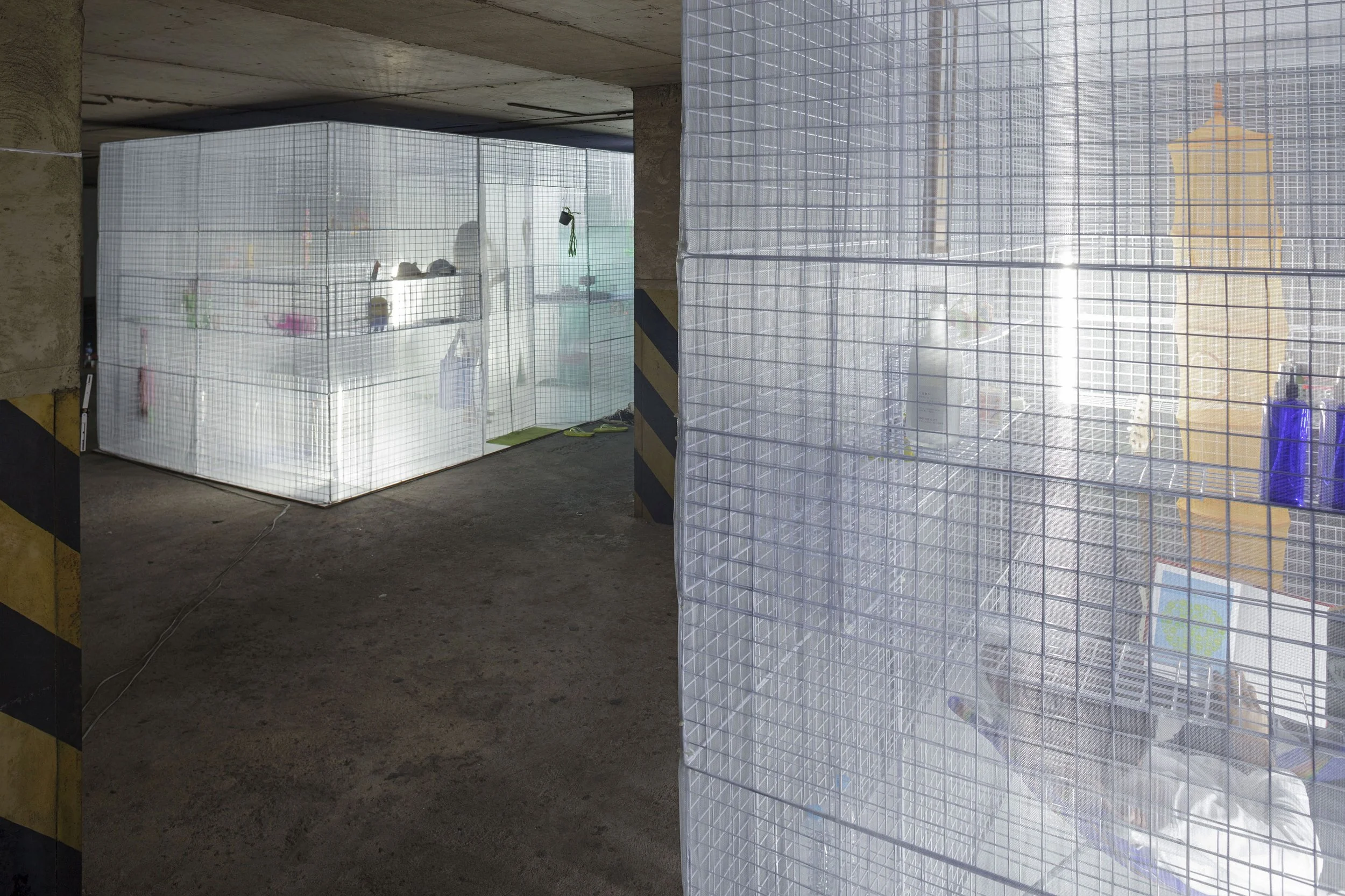
Tropical Intelligence Workshop: A Parliament of Objects with Architect Rachaporn Choochuey
This workshop is a simple investigation into the design wisdom hidden in plain sight. We believe intelligence is embedded in the humble objects we use every day to live skillfully in the tropics. We will gather these objects to form a Parliament of Objects, allowing them to “speak” and share their secrets.
Our goal is not only to uncover vernacular logic but to critically test how it can migrate into contemporary architecture. We will consider not just the successes of these objects, but also their limits, contradictions, and failures in the face of modern life.
In this workshop, participants will bring a chosen item into a Parliament of Objects. Each participant will share a small, everyday object that helps humans adapt to life in the tropics, and as a group, the workshop will map their principles and critically debate their relevance to architecture now.
PRE-WORKSHOP TASK: BRING ONE OBJECT
Your only task is to find and bring one everyday object of 'climate craft.'
- It should be an item that helps you, your family, or your community deal with heat, sun, humidity, or rain.
- It should be simple, common, and easy to carry. The most “obvious” objects are often the most profound.
- No need to prepare a written text. Just be ready to tell its story.
Bangkok-based architect Rachaporn Choochuey is the co-founder of all(zone), a studio exploring a contemporary Asian vernacular. Her work offers not rigid solutions, but joyful invitations: light, adaptable spaces designed for living well with intense climatic and urban pressures. She teaches alongside her practice at institutions including Chulalongkorn, Yale, and Columbia GSAPP.

Practicing Tropicality, Planetary Site with Architect Rachaporn Choochuey
The talk explores a design practice rooted in the permissive, improvisational conditions of Bangkok, now extending across regions shaped by heat, resourcefulness, and flux. Through collaborative experimentation, all(zone) creates light, adaptable architectures that emerge from tropical realities—not as exotic exceptions, but as vital tools for living well amid planetary change. Here, tropicality is understood not only as a climate condition, but as a way of life—improvised, porous, collective, and always responsive. It is a mode of building that embraces the cycles of materiality, working with what is available, renewable, and often overlooked, to create spaces that breathe, shade, and transform over time. These architectures offer lessons rooted in Southeast Asia, yet shaped by—and addressed to—a planetary site where futures are already taking form.
This lecture is the first in a series of presentations and workshops by architects visiting Sri Lanka from Thailand. The Thai Architecture Programme is a collaboration between the Geoffrey Bawa Trust and Royal Thai Embassy in Colombo.
Rachaporn Choochuey is a Bangkok-based architect whose work responds to the evolving challenges and possibilities of life in tropical megacities. In 2009, she co-founded all(zone), a design studio built on close collaboration and continuous experimentation. Drawing from Bangkok’s uniquely informal and improvisational character, the studio explores a contemporary vernacular—not through nostalgic replication, but through material resourcefulness, social lightness, and a distinct sense of play.
Her practice investigates how architecture can remain light, adaptable, and resilient in the face of heat, humidity, and rapid urban change. She frames Southeast Asia as a critical planetary site—a living context where strategies for a warming and interconnected world are already being tested. Through architecture, she offers not solutions, but invitations: ways to live well with change, through design that is soft, porous, and joyful.
This design inquiry is grounded in deep academic engagement. Rachaporn taught for two decades at Chulalongkorn University and has held visiting positions at institutions including the Yale School of Architecture and Columbia GSAPP. She received her Ph.D. from the University of Tokyo and her M.S.AAD. from Columbia University.