
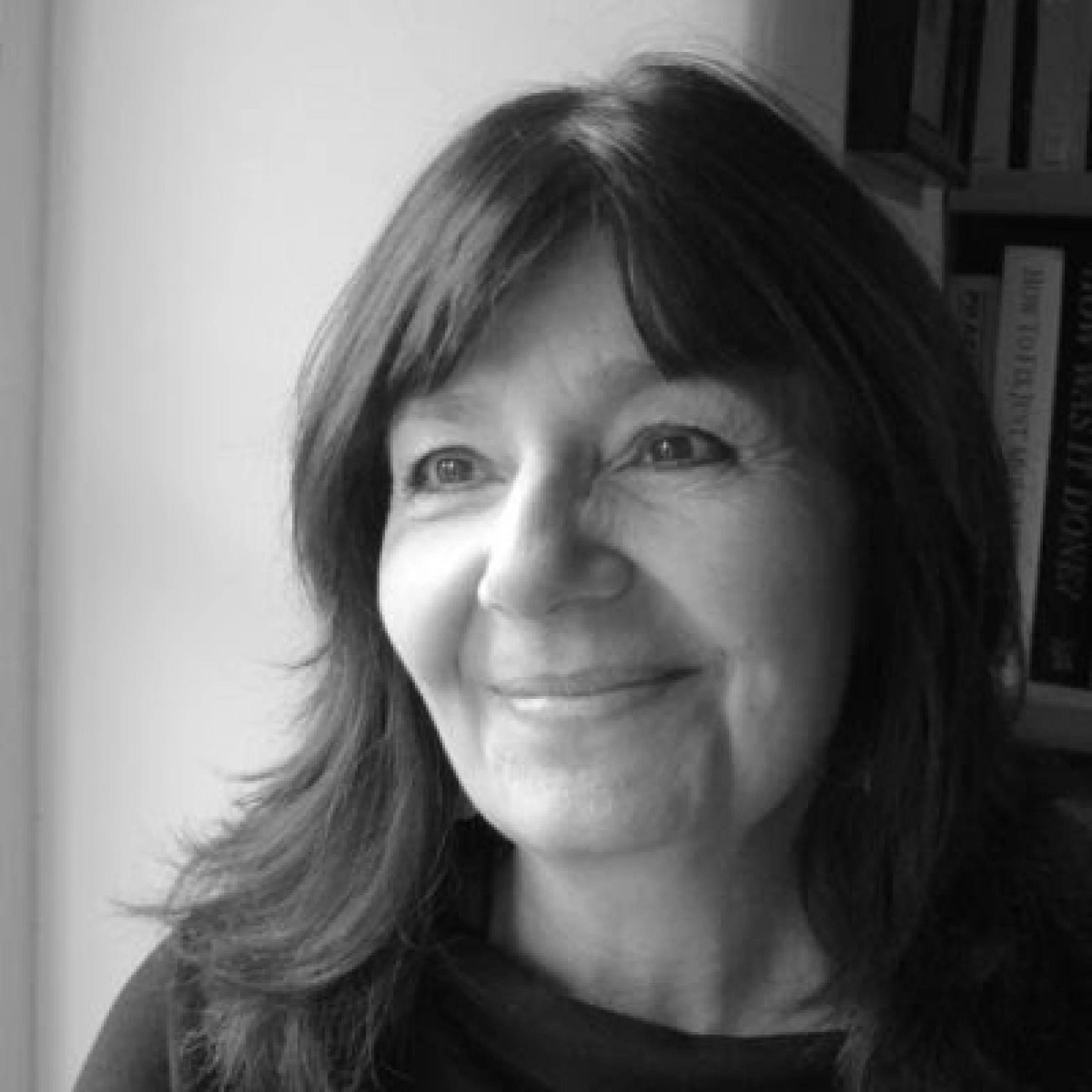
Research-informed Practice in Type Design: A Case Study of the Araliya Typeface for Sinhala and its Legacy
Focusing on the typographic development of Araliya, the first digital typeface for Sinhala, this illustrative talk will consider how diverse resources can inform type-design practice.
Fiona Ross, an award-winning type historian, type designer, and educator, leads this presentation. Drawing on her extensive experience as a researcher and design practitioner in South Asian type and typography, Fiona will discuss a design methodology that advocates research-based practice to underpin effective textual communication.
This talk will also highlight how re-evaluating past practices and critically engaging with current conventions and technologies can enhance typographic communication in complex writing systems.
With a background in languages and a PhD in Indian Palaeography (SOAS), Fiona specialises in type design and typography primarily for Arabic, South Asian, and Thai scripts, and is Professor in Type Design (part-time) at the University of Reading, UK
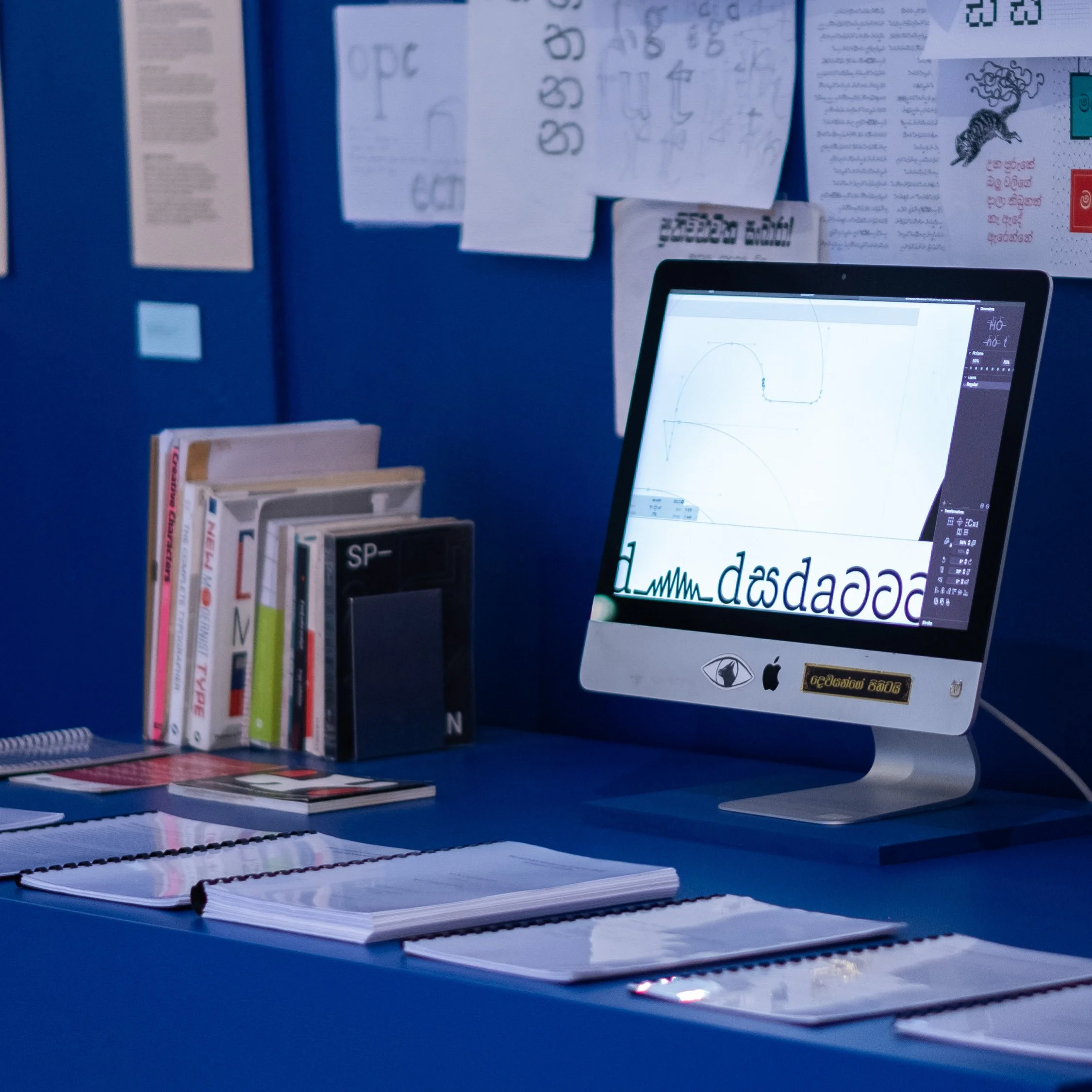
ColomboType at Akurugraphy
ColomboType is a gathering and platform for Sri Lanka’s growing community of type enthusiasts, created to share knowledge, resources, research and experimentation around typography.
Its first meeting, hosted by Mooniak in 2018, brought together designers, researchers and type aficionados to explore the possibilities of Sinhala and Tamil type design, from extinct Sinhala numerals and the anatomy of Sinhala typography to new font design projects. ColomboType aims to encourage exploration, collaboration and the growth of type knowledge and creation within Sri Lanka’s creative community.
This year’s ColomboType will be held at the Bawa Space as part of the Mooniak-curated Akurugraphy exhibition, with presentations by Alain Parizeau and Dr Sumanthri Samarawickrama.
Bending Type with Sound with Alain Parizeau:
What happens when music is used to contrive typographic meaning? Type takes on rhythm, cadence, and emotional weight that bends its meaning. In this 45‑minute seminar, Alain Parizeau goes beyond the standard elements used with typography and explores how sound and visual language interact, focusing on sensory metaphors and emotional rasas as tools for interpreting and shaping type choices.
Alain Parizeau co‑founded Public Works, a story design studio. His practice blends Jungian theory, rasa aesthetics, and brand-persona‑driven playlists to unlock emotional resonance in design.
Uncovering Methods of Sinhala Letterforms: Calligraphy and Letterpress with Dr Sumanthri Samarawickrama
This presentation examines two methodological approaches to studying and documenting historical Sinhala letterforms. The first investigates mural calligraphy using photographic documentation, letterform extraction, and structural analysis, while the second examines early letterpress newspaper mastheads through structured visual analysis.
Dr Sumanthri Samarawickrama is a design educator and researcher whose work explores typography, graphic communication design, Sri Lankan graphic and typographic history, packaging design, heritage visualisation, and editorial design.
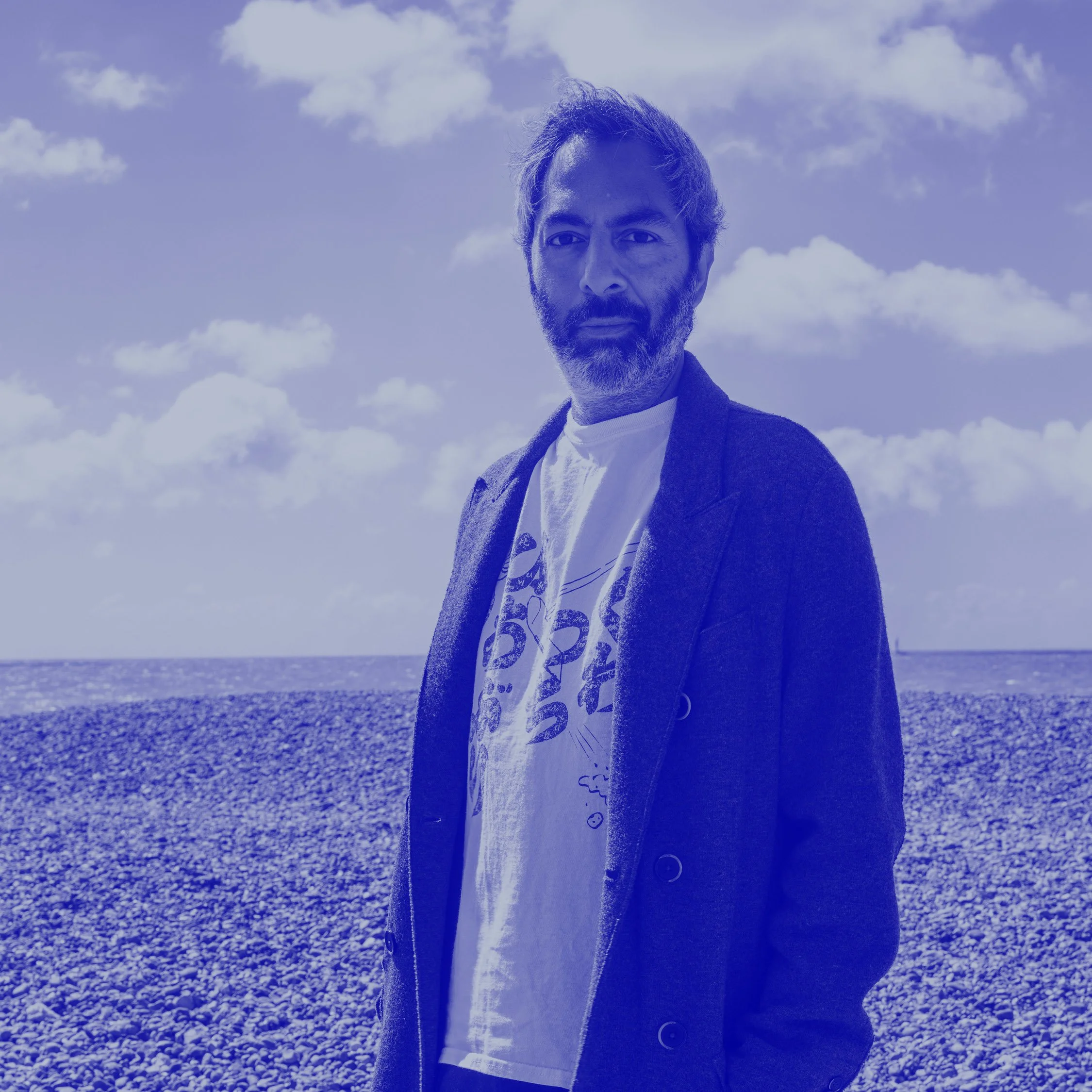
South Asian Modern with Shezad Dawood
A significant part of Shezad Dawood’s practice over the past sixteen years has been devoted to exploring the cultural and social dynamics behind regional modernism. In particular, Dawood has focused on five ‘case studies’, as he terms them, each relating to key buildings or architects operating across South Asia.
In this talk, Dawood will discuss how each case reveals a specific moment of nation-building in the immediate post-war and post-colonial period.
Shezad Dawood is a multidisciplinary artist who interweaves stories, realities and symbolism to create richly layered artworks, spanning painting, textiles, sculpture, film and digital media. Fascinated by ecologies and architecture, his work takes both a playful and philosophical approach. His practice is animated by research, working with multiple audiences and communities to delve into narrative, history and embodiment.
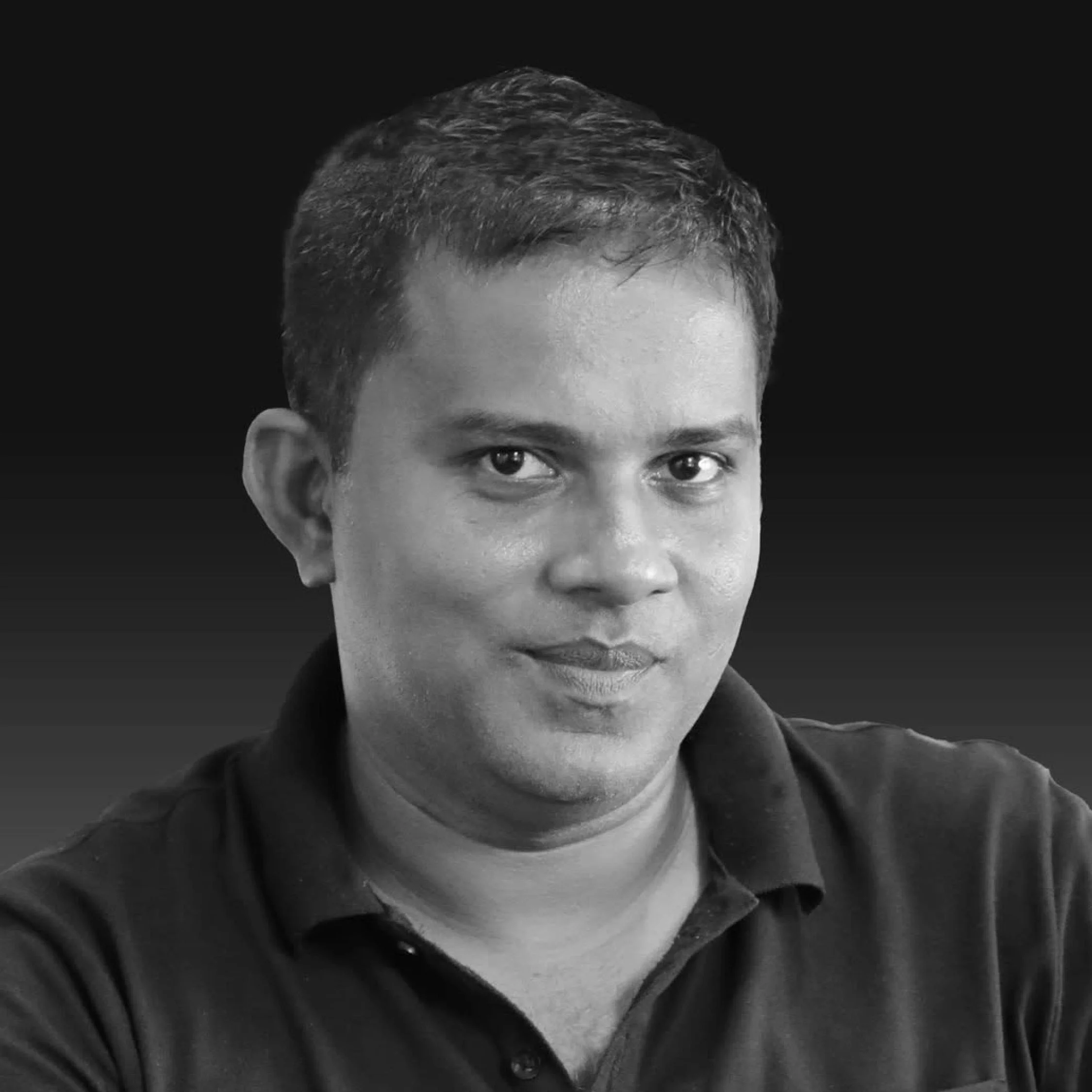
Talk: Soul in the Software – Characters, Culture, and the Curves of Tamil Type
How do we preserve the human touch of a script within the rigid structures of modern digital platforms?
Join type designer, font engineer, lettering artist and calligrapher Tharique Azeez for a behind-the-scenes look at the realities of crafting contemporary Tamil typography. Drawing on extensive experience engineering system fonts and shaping typographic landscapes for global stages, Tharique will trace the evolution of Tamil letterforms.
This talk will explore how Tamil letterforms have evolved, unpack the visual disparities in our everyday environment, and examine the creative problem-solving required to bring vibrant, culturally rooted Tamil type into the digital age.
Tharique Azeez is a type designer, font engineer, lettering artist and calligrapher specialising in Tamil Typography. From engineering system Tamil fonts for Apple to designing striking stage typography for A R Rahman’s global tours. His work bridges historical letterform heritage with cutting-edge digital precision to reshape our modern visual landscape.
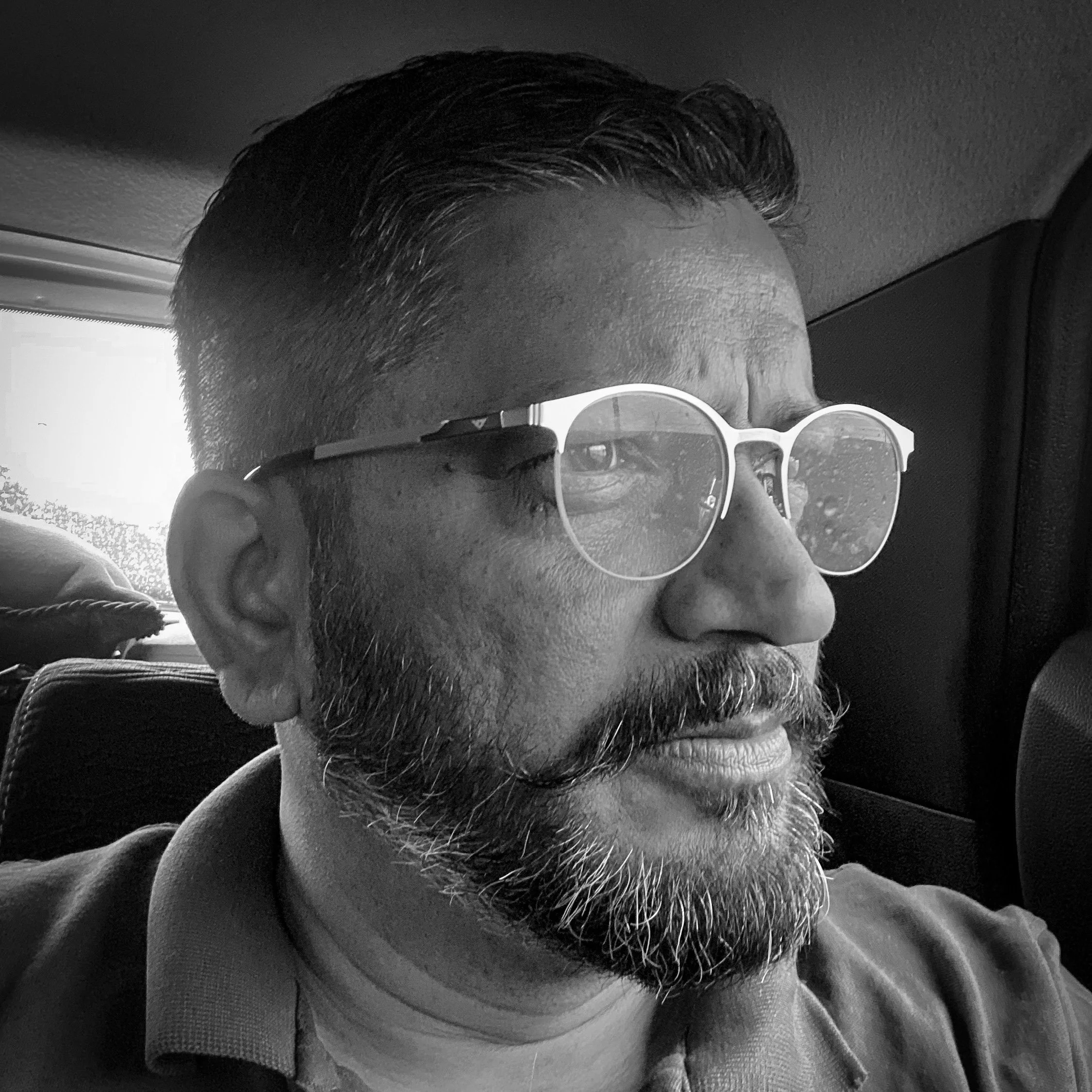
Talk: The Memory Palace: A Personal Visual World with Shiva Viswanathan
In a world increasingly shaped by algorithms that promote visual homogeneity, how can designers build an inclusive visual language that is unmistakably their own?
Join visual communications expert Shiva Viswanathan for a discussion on how designers can use their own unique experiences to shape their work using the Memory Palace technique.
A Memory Palace, also known as the Method of Loci, allows you to mentally map information to a familiar physical environment, and by "walking" through this space, you can retrieve the stored facts, lists, or concepts on demand.
In his talk, Shiva will explore how a Memory Palace can become a rich visual archive, allowing designers to tap into lived experiences, cultural environments, personal histories and accumulated encounters with art, cinema, music, typography, illustration and everyday life. Through collecting, curating and making associations, designers can turn memory, including its imperfections, into a deeply personal creative resource.
Shiva will also explore ways to broaden exposure, revisit foundations, trust instinct, and consciously build a visual world that resists algorithmic conformity, celebrates differences, and makes creative work more distinctive, human, and personal. This is illustrated with examples of personal work, students' work, and exploratory ideas of thought networks.
Shiva Viswanathan brings over three decades of true market experience in design. He is the Co-founder and CMO of the Texas-based organisation Catenate.io, which focuses on creating AI-centric solutions for human challenges. Shiva is also a Director for the conference and community DesignUp.io.
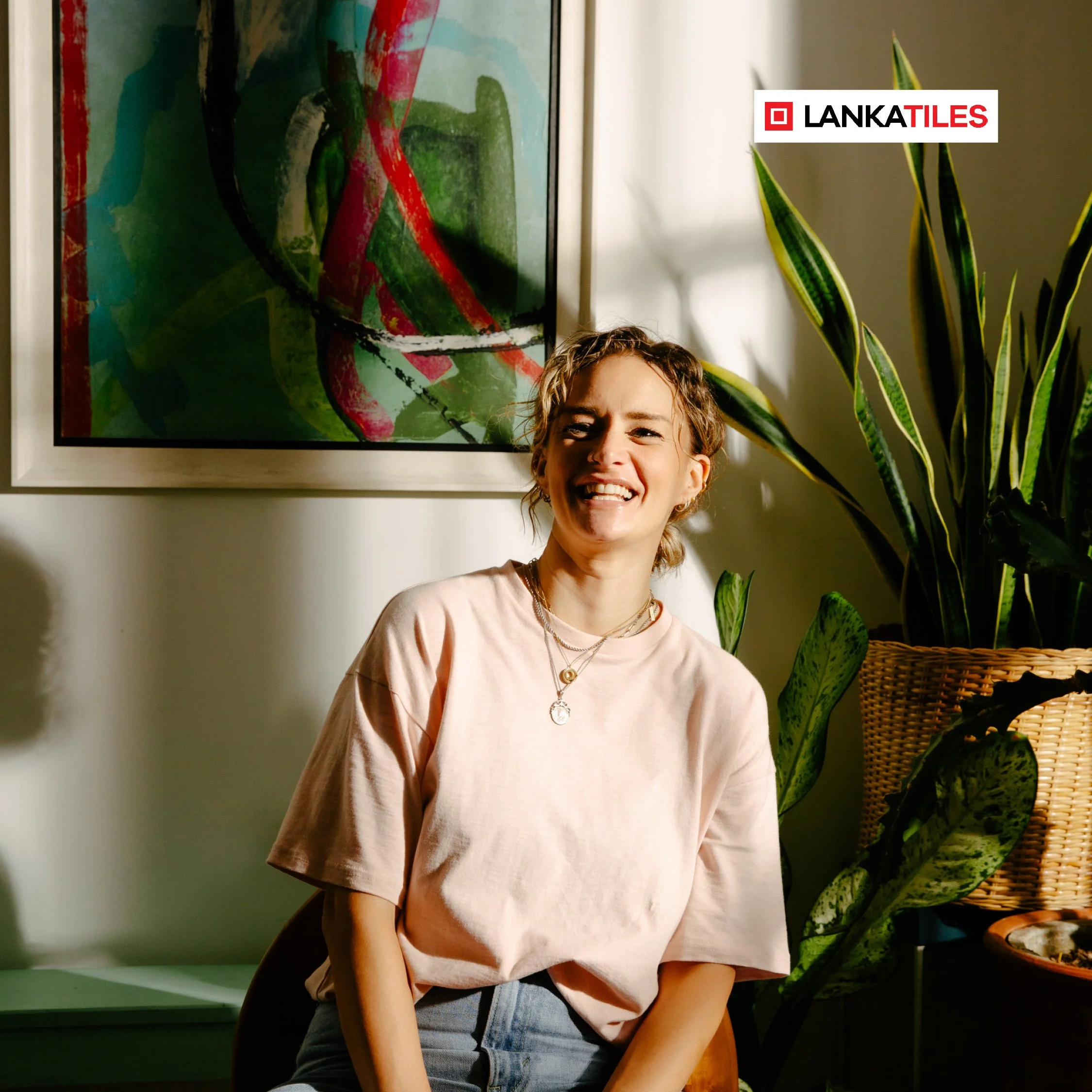
Design Talks: Beyond the Logo: Building Experiential Brands with Amy Quickfall
Branding is more than just what people see: the logo, a colour palette, and a type suite. A brand is what people feel, built detail by detail in the spaces they move through.
In this Design Talk, CEO and Studio Director of Studio Nice One, Amy Quickfall, will discuss an approach to brand building that encompasses the entire philosophy and culture of an organisation beyond just the visual identity.
Drawing on her own hospitality and F&B projects, Amy will unpack how experiential branding beyond a logo turns identity into something people remember, return to, and feel deeply connected to.
Amy Quickfall is CEO and Founder of Studio Nice One, Sri Lanka's first branding-focused studio, now in its 8th year and with a portfolio of 130+ hospitality and food and beverage clients across Sri Lanka and internationally. Originally from the UK, she brings 15+ years of industry experience in strategy, identity, and packaging design to create brands that people really connect with.
The Geoffrey Bawa Design Talks are supported by Lanka Tiles.
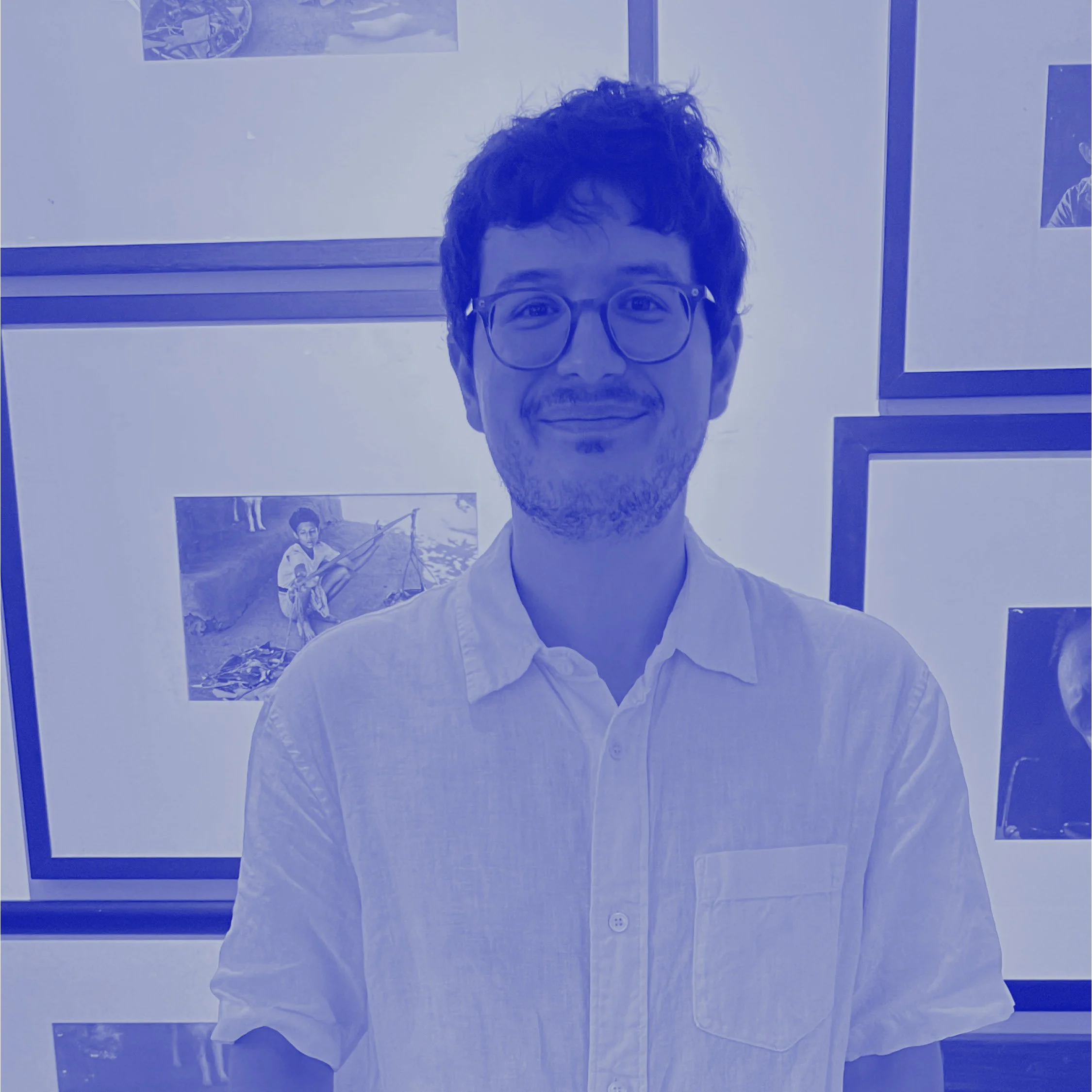
Queer Ecologies and Abundant Imaginaries in Contemporary Sri Lankan Art with Dr Edwin Coomasaru
Since the 1920s, a visual culture of queer ecological art has crafted an aesthetics of abundance in Sri Lanka.
Join art historian Dr Edwin Coomasaru for a look at the relationships between gender, sexuality, capitalism, and climate in recent exhibitions: Ramesh Mario Nithiyendran’s Idols of Mud and Water at Glasgow Tramway (2023-24), alongside Chathuri Nissansala in The Order of Nature at Lunuganga (2023-24) and Ritualising Mutant Encounters (2024) at Barefoot.
Drawing on Geoffrey Bawa’s own queer environmental framings, this lecture will situate Nithiyendran and Nissansala’s work in relation to contemporaneous events: from Aragalaya-Porattam protests and Jaffna Queer Festival’s ‘queer ecology’ theme in 2022, to ongoing attempts to decriminalise homosexuality as ‘against the order of nature’ under the 1883 British Penal Code. Where colonialism and ethnonationalism manufactured structures of social and environmental scarcity, Nithiyendran and Nissansala build imaginative worlds of abundance.
Dr Edwin Coomasaru is a Mid-Career Fellow at Yale University’s Paul Mellon Centre for Studies in British Art, Lecturer in History of Art at the University of Bristol, Visiting Fellow at University College London, and Reviews Editor for Visual Culture in Britain. Coomasaru is currently writing a book on Queer Ecologies and Abundant Aesthetics in Sri Lankan Art, 1926-2024.
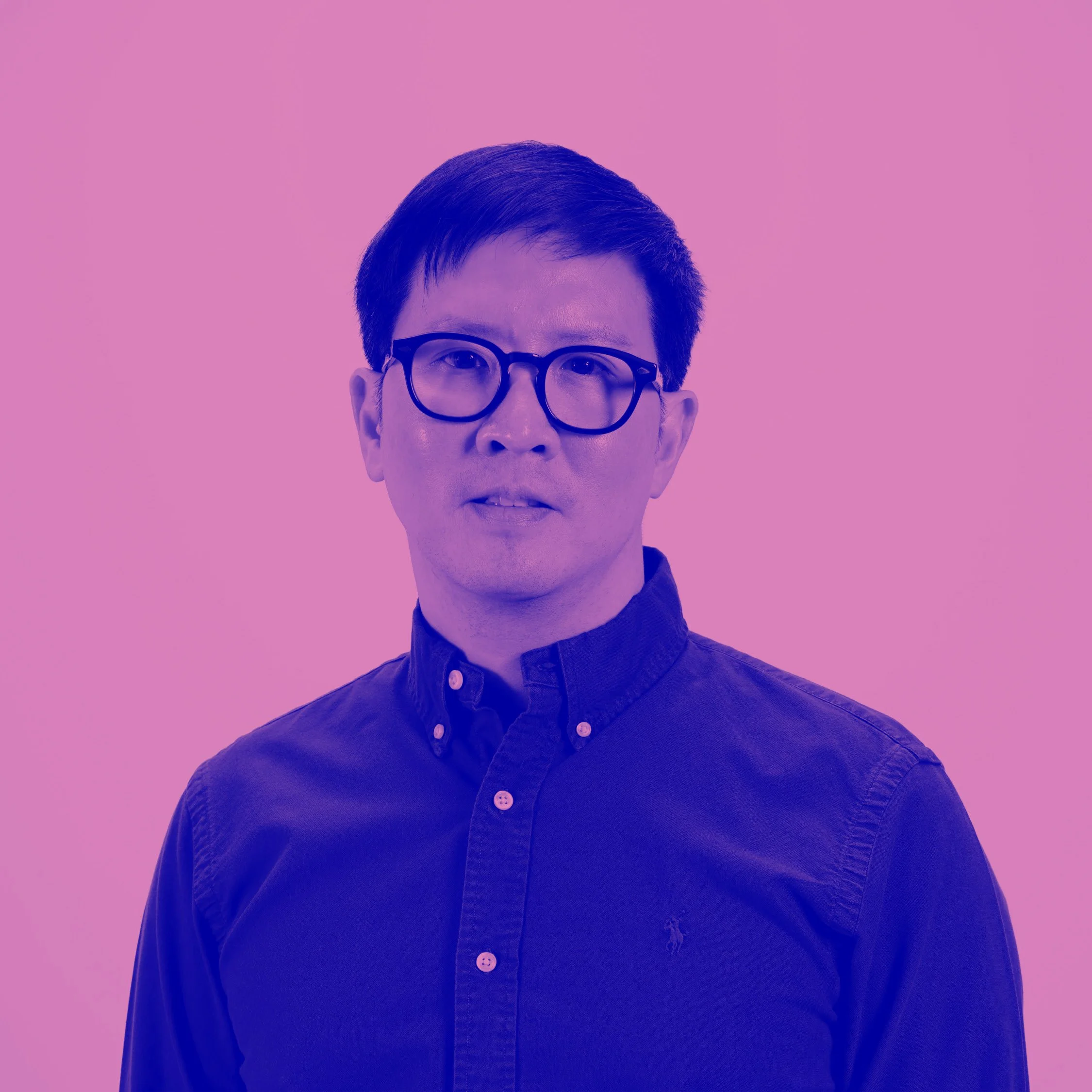
From Font Files to Industry: Lessons from Emerging Type Communities in Thailand
Font files can appear quickly, but building a font industry involves shared understanding, professional value, practical goals, and long-term infrastructure. Join Bangkok-based designer and founder of Cadson Demak Studio Anuthin Wongsunkakon for an evening of discussion and insight on the font industry.
Specialising in typography and brand identity, Anuthin’s work spans custom typefaces, Thai adaptations of international type families, and typographic solutions for Southeast Asian scripts. Profiling case studies and lessons learned, Anuthin will map the three steps in meaningful font development: (i) building value; (ii) creating specificity; and (iii) enabling strategy.
This event is presented in collaboration with the Royal Thai Embassy in Colombo.
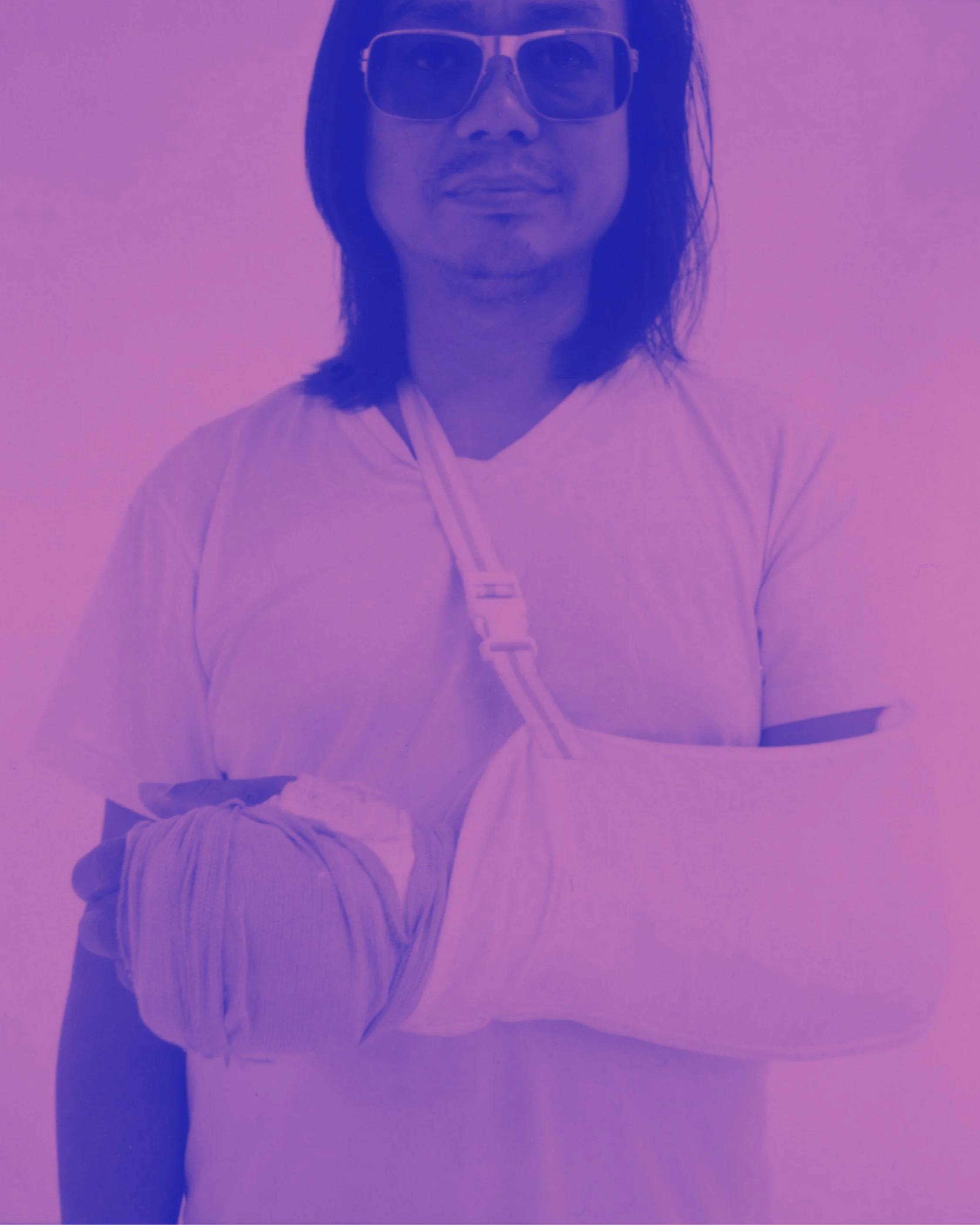
The Tower of Slowness with Rirkrit Tiravanija
Following a panel organised by Hans Ulrich Obrist at the Venice Biennale, Rirkrit continues to think about how people constitute architecture: through using, inhabiting, and moving through space; by spending time, associating, and simply being in it. Rirkrit will introduce these ideas through a presentation of his past and present work.
This event is presented in collaboration with the Royal Thai Embassy in Colombo.
Image: Courtesy of the artist. Photo: Anette Aurell.
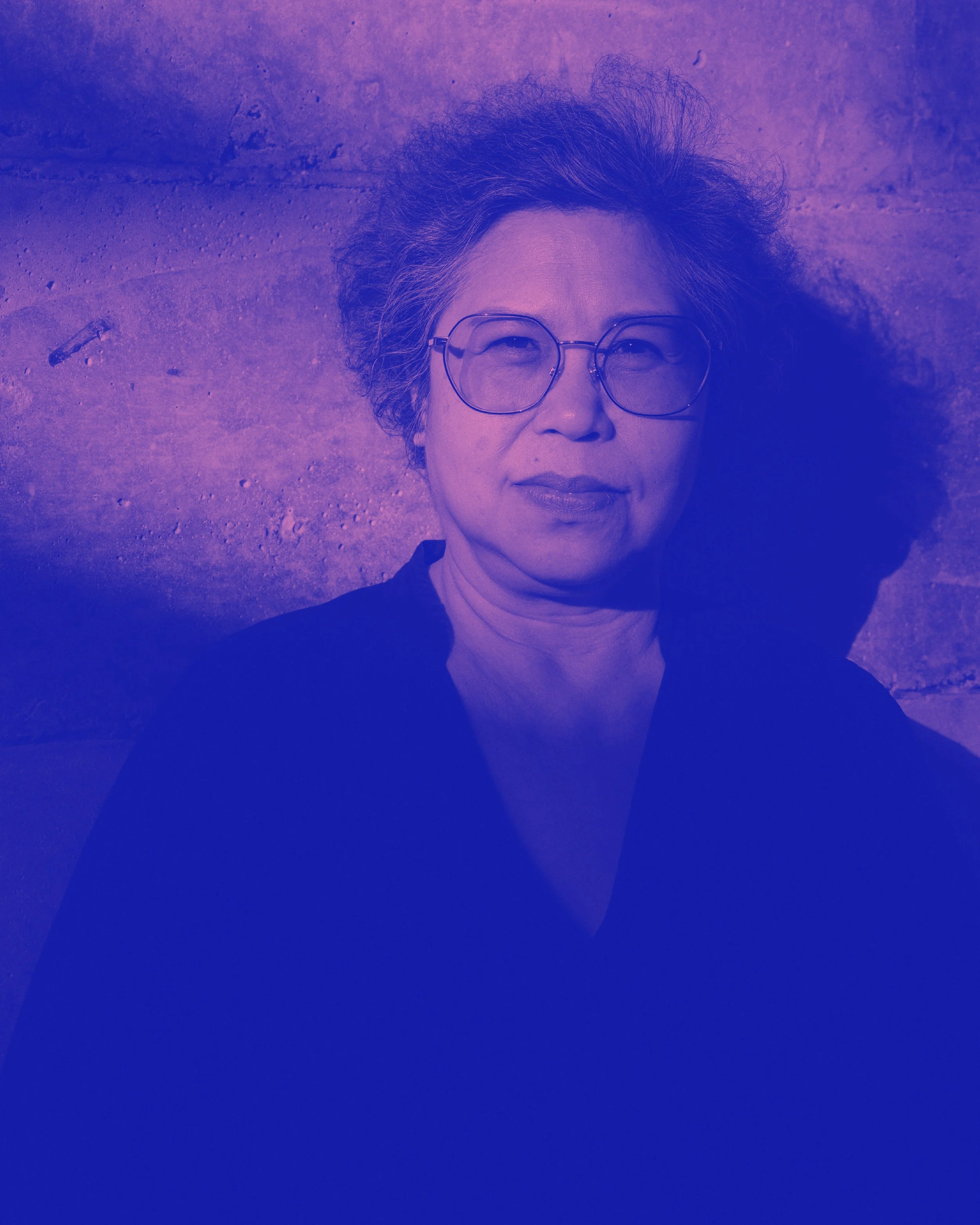
Talk: House to Art Center: Reinterpreting the Jim Thompson Legacy Across Time
The Jim Thompson Arts Center in Bangkok is a four-story haven for all things creative, hosting some of the most exciting exhibitions, talks, workshops, and events in the city.
American architect and OSS officer James H. W. Thompson was an influential cultural icon in Bangkok in the 1950s, known not only for reshaping Thailand’s silk industry, but also for his reassembly of traditional Thai houses and collection of art and antiques from Thailand and Asia.
Join Artistic Director Gridthiya Gaweewong for a discussion how the Art Center—part of the Jim Thompson Heritage Quarter—builds on Thompson’s legacy to link historical memory with present artistic inquiry while opening speculative perspectives on future cultural imaginaries.
Gridthiya Gaweewong co-founded Project 304, an alternative space in Bangkok, from 1996 to 2002. She has curated numerous regional and international exhibitions across Asia, Europe and beyond. Gridthiya received the Audrey Irmas Award for Curatorial Excellence in 2025, and she currently works as the Artistic Director of the Jim Thompson Art Center, Bangkok.

Indigenous and Traditional Knowledge for Regenerative Futures
A regenerative future envisions thriving ecosystems and healthy communities that enrich the natural environment while recognizing humanity’s strong social, cultural and economic reliance on nature.
In this talk, botanist and ecological restoration expert Thilanka Gunaratne will explore how indigenous and traditional knowledge systems can offer valuable lessons for natural resource management practices that balance environmental conservation while also supporting livelihoods and economic development.
Indigenous and local communities hold deep ecological wisdom that can help to build a regenerative future. Refined over generations, traditional knowledge has maintained healthy, regenerative landscapes through the sustainable use and management of natural resources. However, one of the greatest challenges lies in the documentation and preservation of this knowledge, much of which is rapidly being lost.
Building a regenerative future will require the recognition and integration of indigenous and traditional knowledge systems across communities, to build strong, inclusive governance systems and management strategies that respond and adapt to local ecological, social, and economic needs.
Thilanka Gunaratne is a restoration ecologist and Professor of Botany at the University of Peradeniya, Sri Lanka. She holds a Ph.D. in Plant Sciences from the University of Aberdeen, where her research examined barriers to forest succession in the man-made grasslands of the Knuckles Forest Reserve. At Peradeniya, she leads the Restoration Ecology Group and has directed major projects on forest recovery in the Knuckles Conservation Forest and Hantana Mountain Range. Her coordination of a project to restore lower montane forests in the Knuckles Conservation Area earned a national CSR Sustainability Gold Award in 2018. Through long-term research on seed biology, forest regeneration, and applied restoration practices, engaging local communities in conservation, she aims to create innovative platforms that advance environmental education, research, and outreach, fostering environmental conservation for a regenerative earth.